
India's exporters are losing international buyers before the first conversation begins. Most do not know it is happening.
The Silent Salesperson is a branding masterclass delivered by Beryl Agency for Indian exporters, manufacturers, and industry clusters. It covers how international buyers shortlist suppliers using AI procurement tools, what your digital presence signals to a buyer who has never spoken to you, and how to build the brand positioning that wins before the conversation begins.
This program is valued at five lakh rupees. Beryl Agency delivers it as a complimentary initiative for Indian export clusters and industry associations, as part of our commitment to Indian export competitiveness. There is no cost to the cluster. There is no catch.
WHY INDIAN EXPORTERS LOSE INTERNATIONAL BUYERS BEFORE THE FIRST CONVERSATION
India’s exporters have built extraordinary production and delivery capability. They have fulfilled for the world’s largest labels, met demanding specifications across categories, and done it at scale and at price. And most have done it without attaching their own name to anything they made.
That was the logic of the industry they were born into. It is no longer a safe position to hold.
International buyers today do not begin with a call or a trade show introduction. They search by geography and product category. They narrow their shortlists using AI-assisted procurement tools that evaluate supplier digital presence, communication quality, and brand signals before any human contact is made. The exporter with the better product and the weaker brand is regularly eliminated before the conversation begins.
This is the invisible sale. Most Indian manufacturers and exporters are losing it without knowing it exists.
There is a second problem, older and harder to admit. Decades of building for other people’s brands have created businesses with genuine capability and no brand of their own. Whether that was industry logic or a missed opportunity is a question The Silent Salesperson does not answer gently.
Beryl Agency built this seminar to close both gaps. Not with motivational framing and not with generic brand advice. With the specific frameworks, real buyer intelligence, and diagnostic tools that change how Indian exporters show up to international buyers.
SIGNS YOUR EXPORT COUNCIL HAS A BRANDING PROBLEM
– Members are competing on price alone and losing orders they believe they should have won. Your cluster’s exporters have no coherent digital presence visible to international buyers.
– Members cannot articulate what makes them different from the next manufacturer in the same category.
– Buyer discovery happens through buying houses and intermediaries, not direct inbound. Members have strong production and delivery capability but cannot communicate it at the brand level.
– Members have spent decades building production capability for other people’s brands and have not started on their own.
The cluster is growing in volume but not in margin.
– If five or more of these are true, the issue is not capability or effort. It is the absence of a brand strategy that works before the conversation begins.
WHO THIS BRANDING SEMINAR IS BUILT FOR
- Directors General and secretaries
of export clusters and industry associations who want to equip members with a genuine competitive edge.
- Manufacturers and exporters
competing for international buyers in categories where margin is thinning and shortlists are narrowing.
- Business development and sales teams
who are strong on product specifications but unfamiliar with how brand perception shapes the buyer decision.
- Founders of mid-scale manufacturing and export businesses
who want to move from vendor to design and supply partner in buyer relationships.
- Cluster leadership planning member-facing programs
that produce measurable commercial outcomes, not certificates.
Founder voice
Beryl Agency has spent 16 years building brands for businesses across 19 countries and 67 industries. In that time, we have watched Indian manufacturers and exporters lose international buyers not because of weaker products or slower delivery, but because of weaker brand positioning. That pattern is not a business problem. It is a national competitiveness problem.
The Silent Salesperson is our response to it. A program valued at five lakh rupees, delivered at no cost to Indian export clusters and industry associations, because we believe that equipping Indian exporters with the brand thinking they need to compete internationally is work worth doing regardless of what it returns to us commercially.
We are a design and branding agency, not a charity. We have commercial engagements, long-standing client relationships, and a practice that runs on real work. But this initiative exists because there are rooms full of Indian exporters who have never been told why they are losing shortlists they should be winning, and we are in a position to tell them. So we do.
If your cluster is one of the ones we have not yet reached, the briefing call is the place to start.
WHAT THE SILENT SALESPERSON COVERS
01
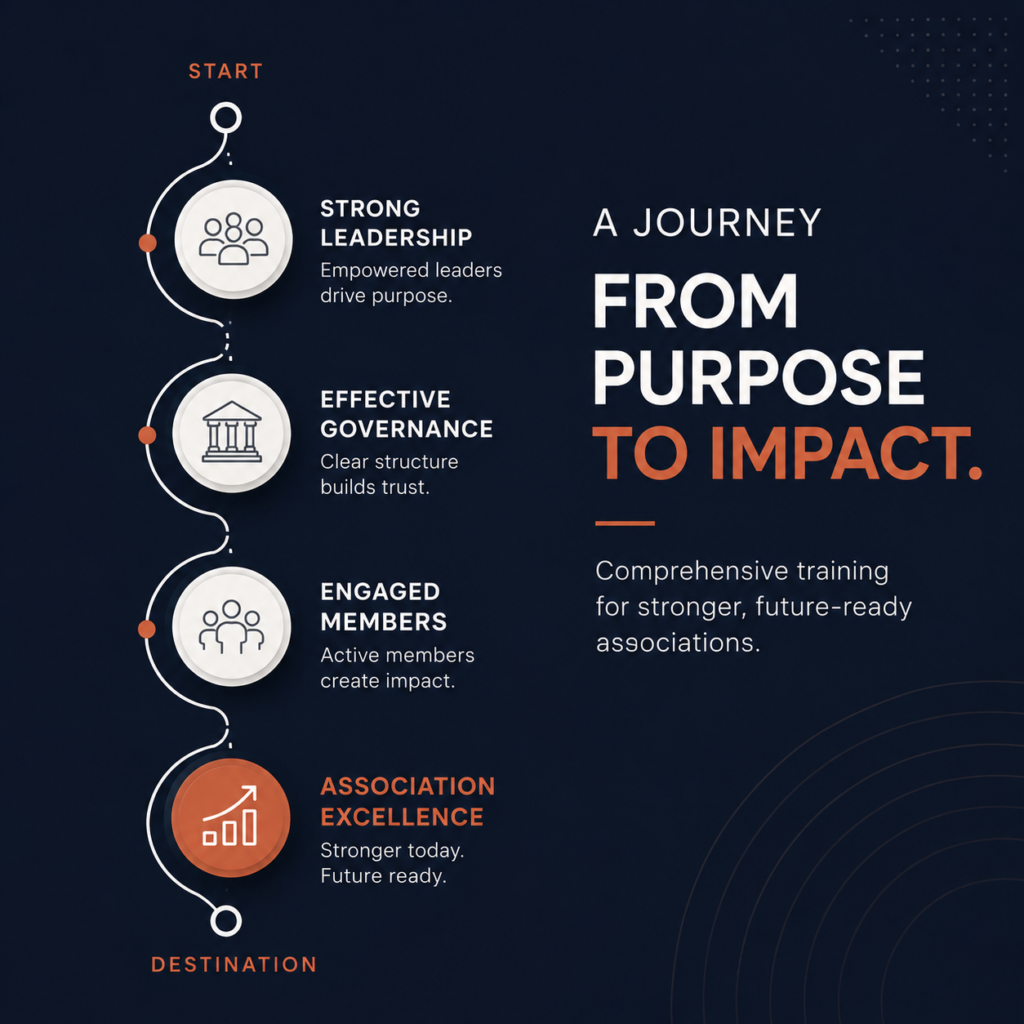
The seminar runs as a single continuous argument across eleven sessions. It opens with how international buyers actually find and shortlist suppliers today, moves through the specific brand gaps that are costing Indian exporters margins and shortlist positions, and closes with a live positioning exercise every member completes before leaving the room. Theory is kept tight throughout. Every session produces something a member can use the same evening.

02
The Invisible Sale. How international buyers search, shortlist, and eliminate suppliers using AI-assisted procurement tools before any human contact is made. What signals those tools read, and what your digital presence communicates to a buyer who has never spoken to you. Outcome: members understand where and how they are being evaluated, and what changes to make immediately.

03
Found as a Cluster, Found as a Brand. How international buyers discover suppliers in 2026. The difference between being found as a geography and being found as a brand, and what search visibility at the brand level actually requires. Outcome: members understand the gap between how they believe they are found and how they are actually discovered.

04
The Perception Premium. Why two exporters with identical specifications and pricing earn different margins. What brand perception adds to a supplier’s commercial value, and how to build it without a large marketing budget. Outcome: members identify the specific perception signals they are currently missing.

Buyer vs Buying House. How to read the difference between a direct international buyer and a buying house intermediary, and why the distinction matters for long-term margin. How to build a brand that begins attracting the former over time. Outcome: members start positioning for direct buyer relationships rather than intermediated ones.

06
From Supplier to Brand. The transition from anonymous supply chain player to a recognised manufacturing and delivery partner. What that shift requires at the brand level, not just the production level. Outcome: members have a clear picture of where their business sits on the vendor-to-brand spectrum and what the next step looks like.

07
What Does India Own. Germany has tooling. France has luxury. Italy has craftsmanship. What is the brand territory India’s exporters can credibly occupy, and how to claim it before someone else does. Outcome: members identify the narrative advantage available to Indian origin that most are currently leaving on the table.

08
The Ideal Customer Profile. Why exporting to every international buyer is commercially equivalent to being known by none of them. How to define the buyer profile a business is best positioned to serve, and build brand positioning around that specificity. Outcome: members stop generalising their positioning and start sharpening it.

09
Becoming a Design Partner. The exporters converting at better margins today are not waiting to be briefed. They are arriving as design and supply partners. What that shift requires in how a business presents, communicates, and shows up in a buyer conversation. Outcome: members understand the difference between being a vendor and being a collaborator, and what the brand layer of that shift looks like.
10
Owning Your Own Brand. After decades of building other people’s brands, what it means for an Indian exporter to start building their own. The commercial logic, the risk, the domestic opportunity, and the specific first steps. Outcome: members leave with a clear articulation of what brand ownership would mean for their business, in the international and domestic market.
11
The SEAM Framework. Story, Edge, Assurance, Memory. The four-part brand positioning framework Beryl uses to evaluate and build brand strategy for manufacturers and exporters, applied live to members in the room. Outcome: every participant leaves with a preliminary SEAM assessment of their own business.
12
AI Prompts to Take Home. Structured prompts that members run using any AI tool to simulate how an international buyer using AI-assisted procurement evaluates their business based on publicly available digital presence. Designed to produce a clear, uncomfortable, actionable picture. Outcome: members know exactly where their brand stands with a buyer who has never spoken to them, and what to fix first.
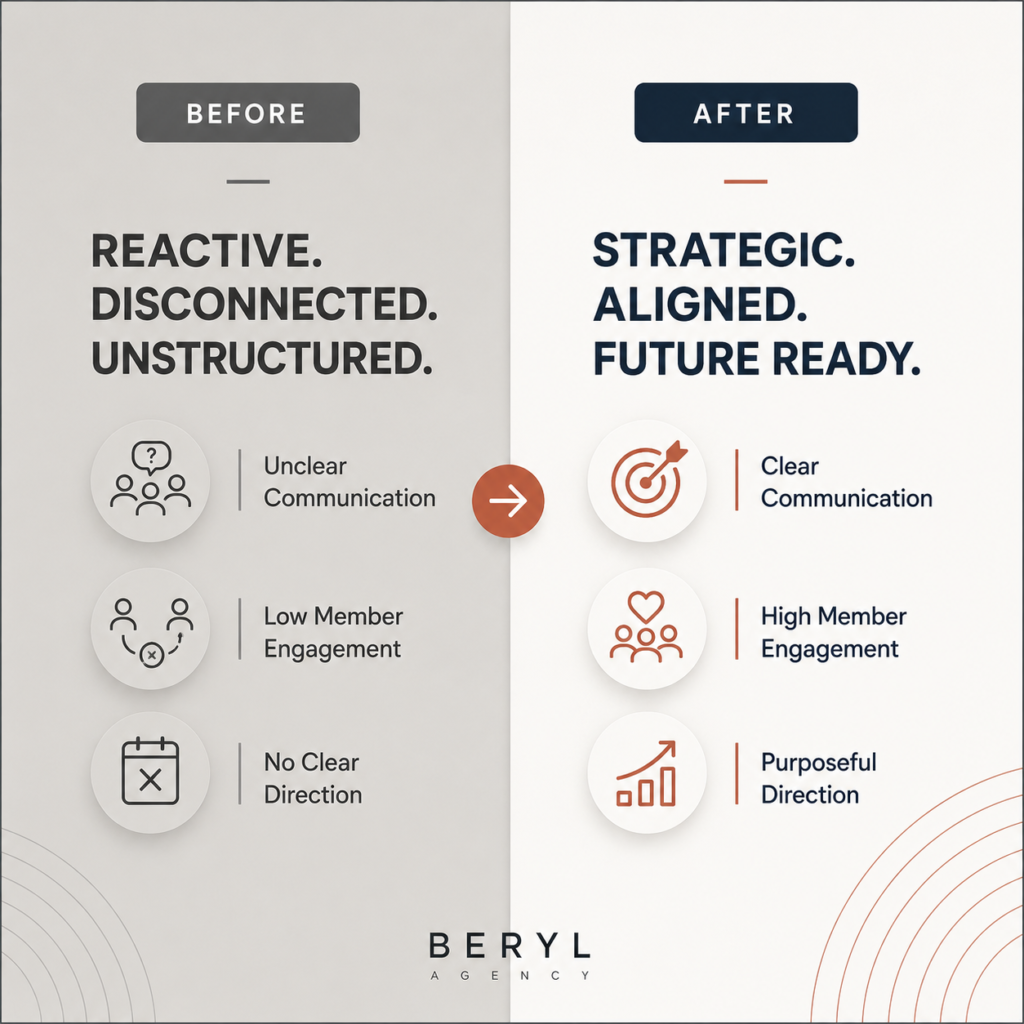
Before.
Exporters who understand their business in terms of production capacity, not brand value. A cluster that competes almost entirely on price and geography. Manufacturers who are found through buying houses, not direct inbound. Digital presence that communicates factory specs, not brand positioning. No shared vocabulary for what the cluster stands for beyond location and volume. Members who have built for others for decades and have not started building for themselves.
After.
Exporters who can articulate what they offer an international buyer beyond a price sheet. A cluster with a shared understanding of how brand perception affects shortlisting and negotiation. Manufacturers asking the right questions about direct buyer relationships and digital visibility. A common brand positioning framework, SEAM, that can be applied to individual businesses. Members who have run the AI prompts and know exactly where they currently stand in a buyer's view. The beginning of a serious conversation about what the cluster, and the businesses inside it, wants to be known for.
WHAT CHANGES AFTER THE SEMINAR
satisfied clients across branding, design, and digital solutions.
HOW BERYL DELIVERS THE SILENT SALESPERSON
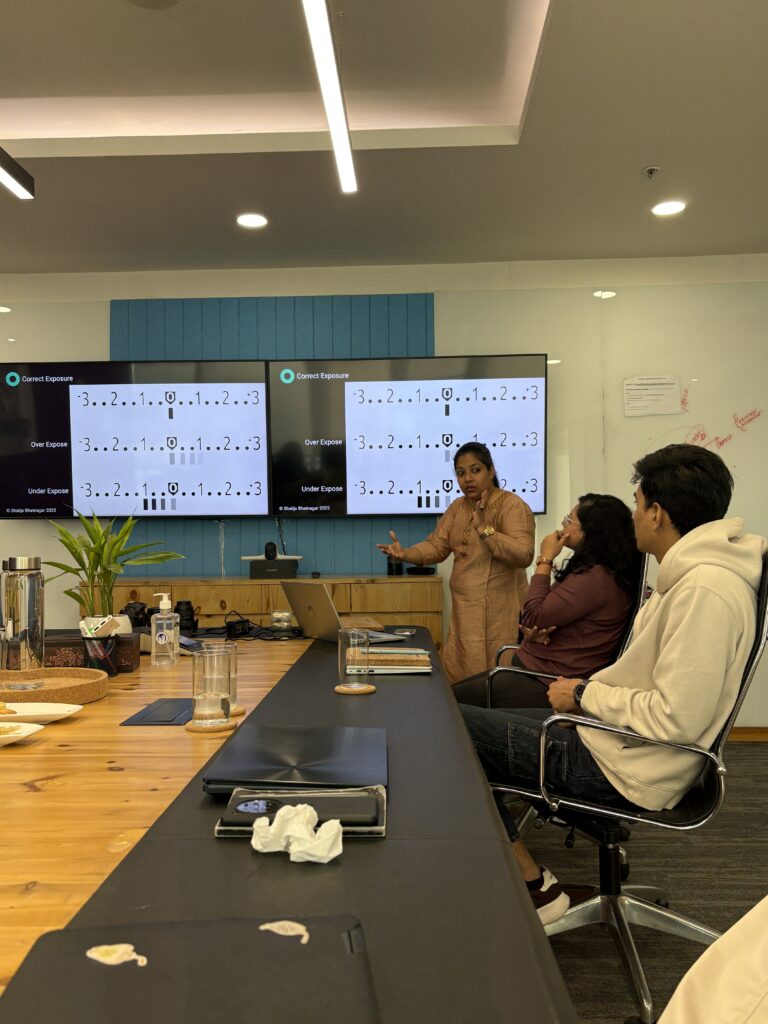
01 Pre-seminar briefing. Before the session is delivered, we spend time with cluster leadership understanding the member profile, the international buyer categories they work in, the price points, and the most common objections they encounter from buyers. This shapes the examples, the data points, and the live exercises to your specific membership. Not a generic exporter audience.
We deliver brand guidelines that ensure consistency across packaging, website, social media, and more — so your brand stays clear, strong, and scalable.
03 Brand Audit and Implementation Engagement. For clusters where the seminar surfaces gaps serious enough to act on, Beryl offers a structured follow-on engagement. This is not a training extension. It is a branding practice engagement, covering a diagnostic audit of member digital presence and buyer-facing communication, individual SEAM positioning development for businesses that want to move from sketch to working brief, and brand communication design for members ready to change how they show up to international buyers. The seminar opens the conversation. The implementation engagement is where the work begins.
Brand Audit and Implementation Engagement.
Follow up review. A closing review session four to six weeks later, where your team presents work produced after the training, and we assess shifts in cohesion, voice, governance awareness, and implementation capability. This converts learning into measurable change.
Full Seminar - On Site
– Opening. The invisible sale and how AI-assisted procurement has changed international buyer shortlisting.
– Session one. Found as a cluster, found as a brand. The discovery gap.
– Session two. The perception premium and the buyer versus buying house distinction.
– Session three. From supplier to brand. The vendor-to-brand spectrum.
– Session four. What does India own. The unclaimed narrative advantage.
– Session five. The ideal customer profile. Sharpening positioning around a specific buyer.
– Session six. Becoming a design partner. What the shift requires at the brand level.
– Session seven. Owning your own brand. The commercial logic, the risk, the first steps.
– Closing session. The SEAM Framework applied live. Every member completes a preliminary.
– SEAM assessment of their own business.
Takeaway. Two AI prompts demonstrated and distributed. Members run them in the room or the same evening.
– Webinar
Same session arc delivered remotely across two hours. SEAM exercise completed live using a shared structured template. AI prompts demonstrated on screen on a real business before members run their own.
– This is a representative flow. Every program is custom scoped to the cluster, the international buyer categories members work in, and the member profile
SEMINAR FORMATS
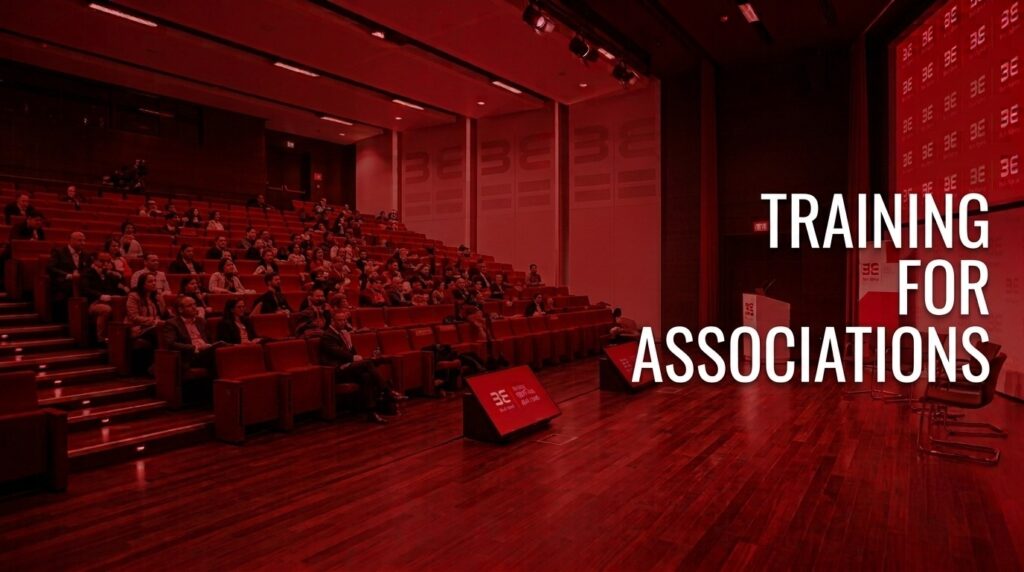
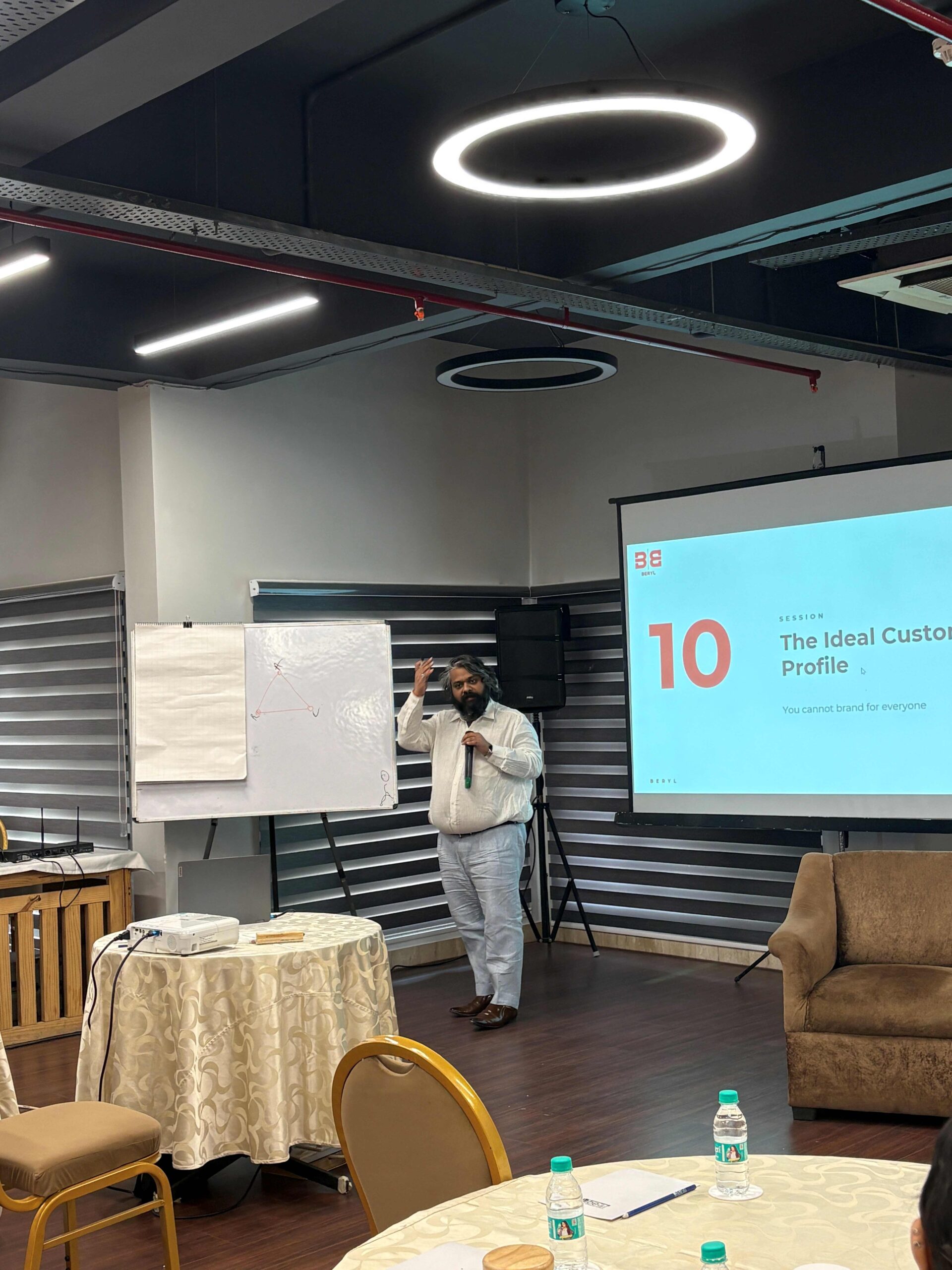
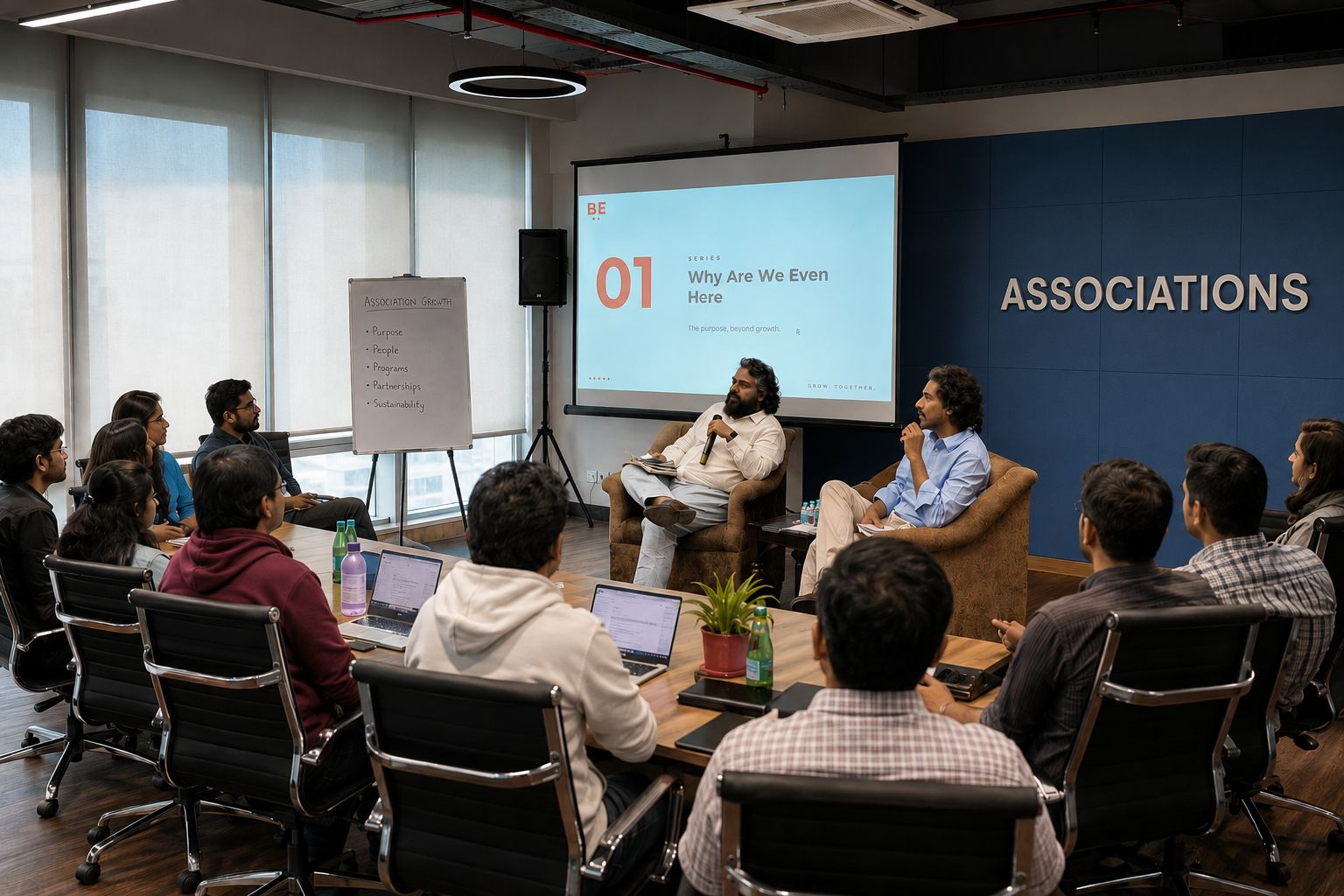
Full Seminar. Two to three hours on site for an export cluster or industry association. The session opens with market reality and pain points, moves through the specific brand gaps costing members margins and shortlist positions, and closes with every member completing a live SEAM assessment and leaving with AI prompts they can run the same evening. Examples, data points, and exercises are scoped to your membership before we walk in the room. Ideal for groups of 20 to 60 members.
Webinar. Two hours, live online. The same content arc delivered remotely for distributed member groups. Market reality and pain points first, brand positioning frameworks second, SEAM exercise and AI prompts as the practical close. Members complete the SEAM exercise live using a shared structured template and watch both AI prompts demonstrated on a real business before running them on their own. Designed for clusters whose members cannot gather in a single venue. The session is designed to be experienced live and is not provided as a recording.
Why Beryl
How Beryl compares to other generic seminar providers
Most export clusters have sat through seminars delivered by motivational speakers who reframe export challenges as mindset problems, or by consulting firms that occasionally run workshops between advisory engagements. The frameworks are borrowed from generic brand strategy literature. The examples are not from your category. The presenter has not built a brand for a manufacturer, briefed an international buyer, or run a design and branding practice across 19 countries. The room leaves energised and unchanged.
Beryl Agency is not that.
We are a working brand and design agency. Every framework in The Silent Salesperson was built from real client engagements, tested across real buyer conversations, and refined over 16 years of practice across 1573 clients in 19 countries and 67 industries. When we talk about how international buyers shortlist suppliers using AI procurement tools, we are talking from the agency side of that equation, not from a slide deck assembled from research papers. When we apply the SEAM Framework to a member’s business in the room, we are applying the same tool we use in commercial brand strategy engagements. Nothing is simplified for a seminar audience. Nothing is held back for a paid engagement.
Generic seminar providers deliver content. Consulting firms deliver recommendations. Beryl delivers the actual frameworks, applied live, by the practitioners who built them. The difference shows up not in the room but in what members do the following week with what they took home.

Featured case study
Okhla Garment and Textile Cluster. Delivered under the leadership of Director General Col. Sheilendra Kapoor, the program covered international buyer discovery, AI-assisted procurement shortlisting, the brand positioning gap in Indian export businesses, and the SEAM Framework across a full seminar format. Attendee response confirmed a shift in how members understood their own businesses. Several exporters noted they had never previously approached their operations as a brand asset. The session on AI-assisted buyer shortlisting drew the highest engagement, with members identifying immediate implications for how they manage their digital presence. A number reframed branding from a marketing function to a structural lever with consequences across hiring, financial relationships, and international negotiation. Read the full OGTC case study.
Noida Entrepreneurs Association. Delivered to a cross-sector group of founders and business owners across manufacturing, services, and trade.The program covered brand positioning as a commercial lever, how AI procurement tools evaluate supplier credibility, and the gap between production capability and brand visibility that affects Indian businesses regardless of category.
Engagement model and investment
The Silent Salesperson is delivered complimentary to Indian export clusters and industry associations. For clusters that want to move from the seminar into a Brand Audit and Implementation Engagement, that work is scoped and priced separately as a commercial branding practice engagement. Investment varies by scope, geography, and number of member businesses involved. Indicative figures are discussed during the briefing call.
Suggested deep dive topics

Understanding AI: Capabilities, Benefits, and Limitations
Foundational understanding of AI systems, human narrative psychology, and body-led content perception. Teams learn AI’s value, limitations, and effective real-world applications

Enterprise Prompt Engineering and Reliable Output Systems
Structured prompting methods that enable consistent AI performance. Teams understand how instruction quality shapes outputs, efficiency, and business results

Fact-Checking, Validation, and Governance Frameworks
Human oversight frameworks that improve AI accuracy, reliability, and quality control. Teams build validation processes that ensure accountability and trustworthy outcomes.

AI-Assisted Communication Systems and Brand Voice
Build AI-powered content systems that preserve brand voice and consistency. Teams create scalable content that remains authentic across channels.

Visual Consistency in AI-Generated Assets
Implement AI design systems that accelerate visual creation while maintaining brand consistency. Teams produce review-ready visuals with fewer revisions.

Workflow Integration and Operational Efficiency
Develop AI automation frameworks that streamline operations without sacrificing oversight. Teams eliminate bottlenecks while ensuring reliability and compliance.

Ethical AI Implementation and Responsible Adoption
Develop AI governance practices that manage risk and accountability. Teams support responsible adoption while maintaining compliance and trust.

Long-Term Capability Development and Scalable Implementation
Create enterprise-wide AI systems that enable consistent adoption and governance. Teams scale capabilities effectively across functions and locations.
most asked questions
What is a branding seminar for Indian exporters.
Why is Beryl Agency delivering a five lakh rupee program for free.
Because we believe that Indian exporters losing international shortlists to weaker competitors is a national competitiveness problem, not just a business one. Beryl Agency has spent 16 years watching capable Indian manufacturers lose orders they deserved to win, not because of what they make but because of how they show up to buyers. The Silent Salesperson is our direct response to that pattern. Delivering it complimentary to export clusters and industry associations is a commitment we have made to Indian export competitiveness, and it sits outside our commercial practice. There is no catch, no obligation, and no cost to the cluster.
How does branding help Indian exporters attract international buyers.
How do international buyers shortlist Indian suppliers.
What is the SEAM Framework for exporters.
What are the two AI prompts.
What is the difference between a branding seminar and a sales workshop for exporters.
How does AI-assisted procurement actually affect Indian exporters.
How do Indian exporters build a brand without a large marketing budget.
Can a small or mid-scale exporter benefit from this seminar or is it only for large manufacturers.
What happens after the seminar for clusters that want to go further.
Can this branding seminar be delivered to any export cluster in India.
What should a cluster director expect when booking the seminar.

FOUNDER-LED CLOSING
Most of the exporters and manufacturers we speak to in these rooms have spent decades building extraordinary things for other people’s brands. That is not a failure. That is the industry they were born into.
But the market is changing fast. International buyers are using AI to shortlist suppliers before they speak to anyone. The Indian businesses that survive consolidation and move up the margin curve will be the ones who built something of their own. Not just a better operation. A brand.
This seminar is our way of making sure those businesses have the frameworks to start. It costs your cluster nothing. It is worth five lakh rupees. And it is available to you now.
Why Beryl
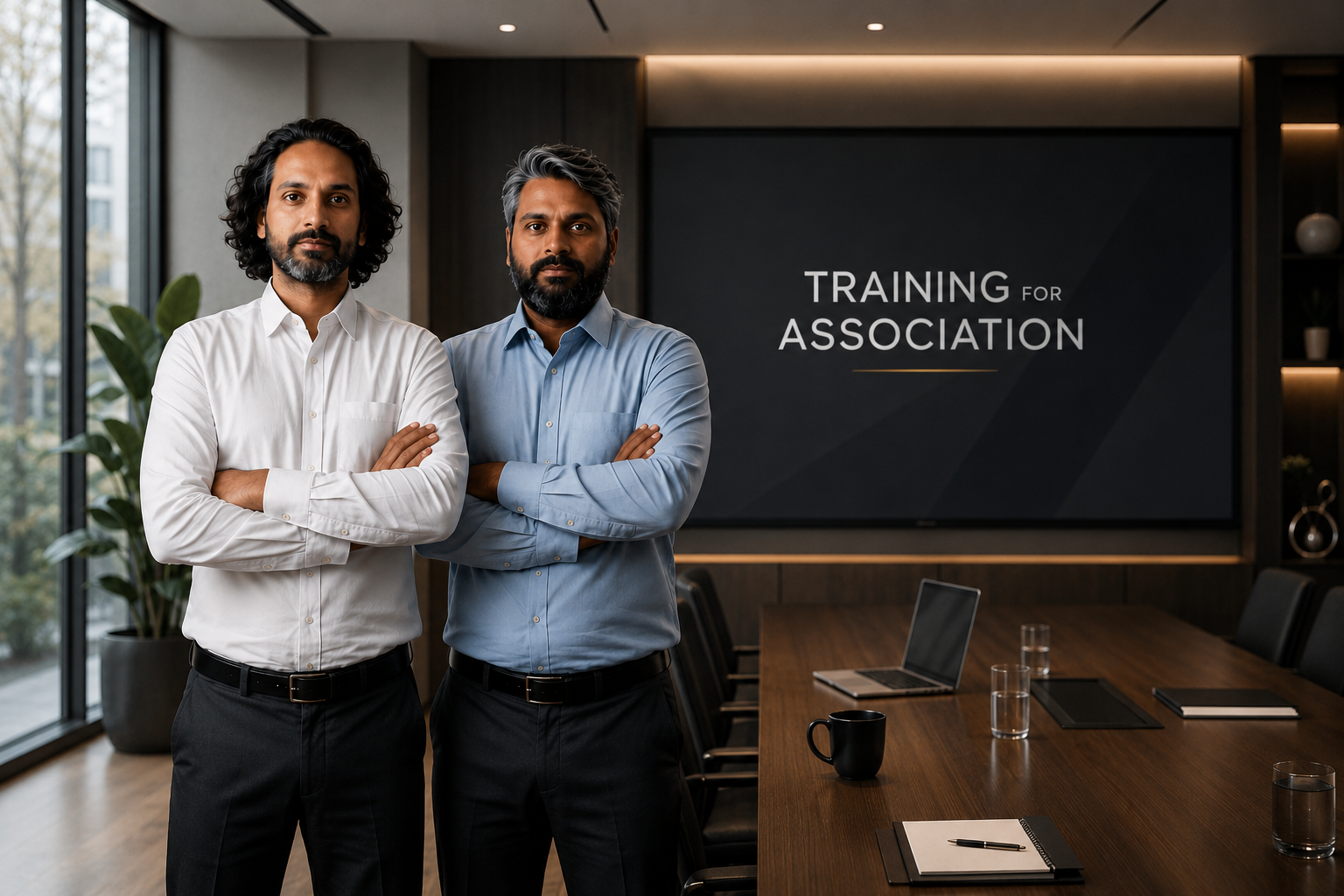
We are not a training company that occasionally talks about design. We are a design and branding agency that has been doing the work for 16 years, with 1573 clients across 19 countries and 67 industries, including four Fortune 500 engagements. Our co founder Akshat Raghava is a RISD trained industrial designer, a four time I Design Award winner, and recipient of the RISD Faculty Award. Prashant Gupta holds a seat on the CII National Committee on Design Innovation and Design Policy and is trained at MICA and IIM Kozhikode. Our practice operates at the intersection of design pedagogy, brand strategy, and practical agency delivery.
When you bring Beryl in, your team learns from practitioners who ship real client work every week, not from a curriculum frozen years ago or taught by facilitators unfamiliar with enterprise complexity.