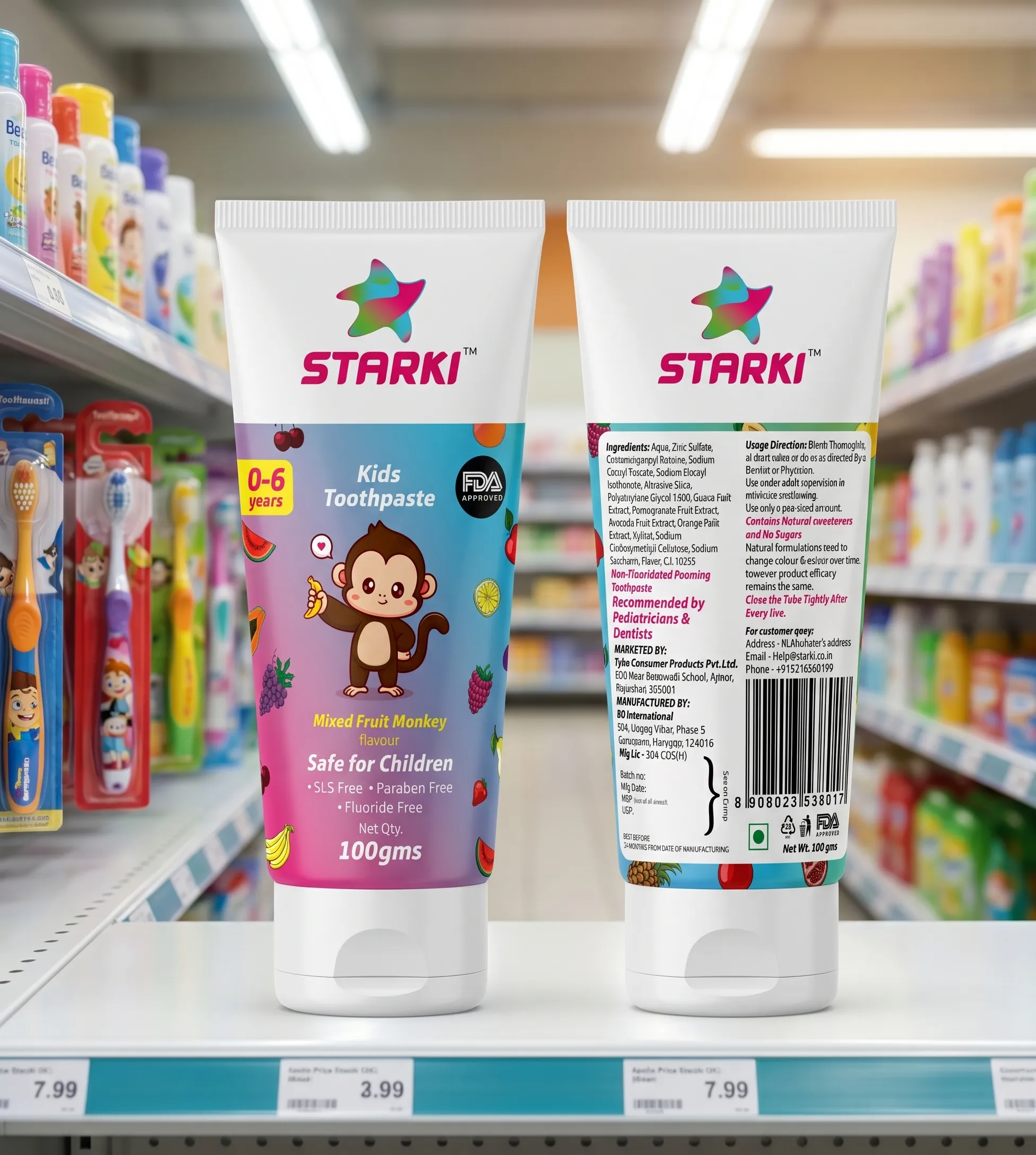
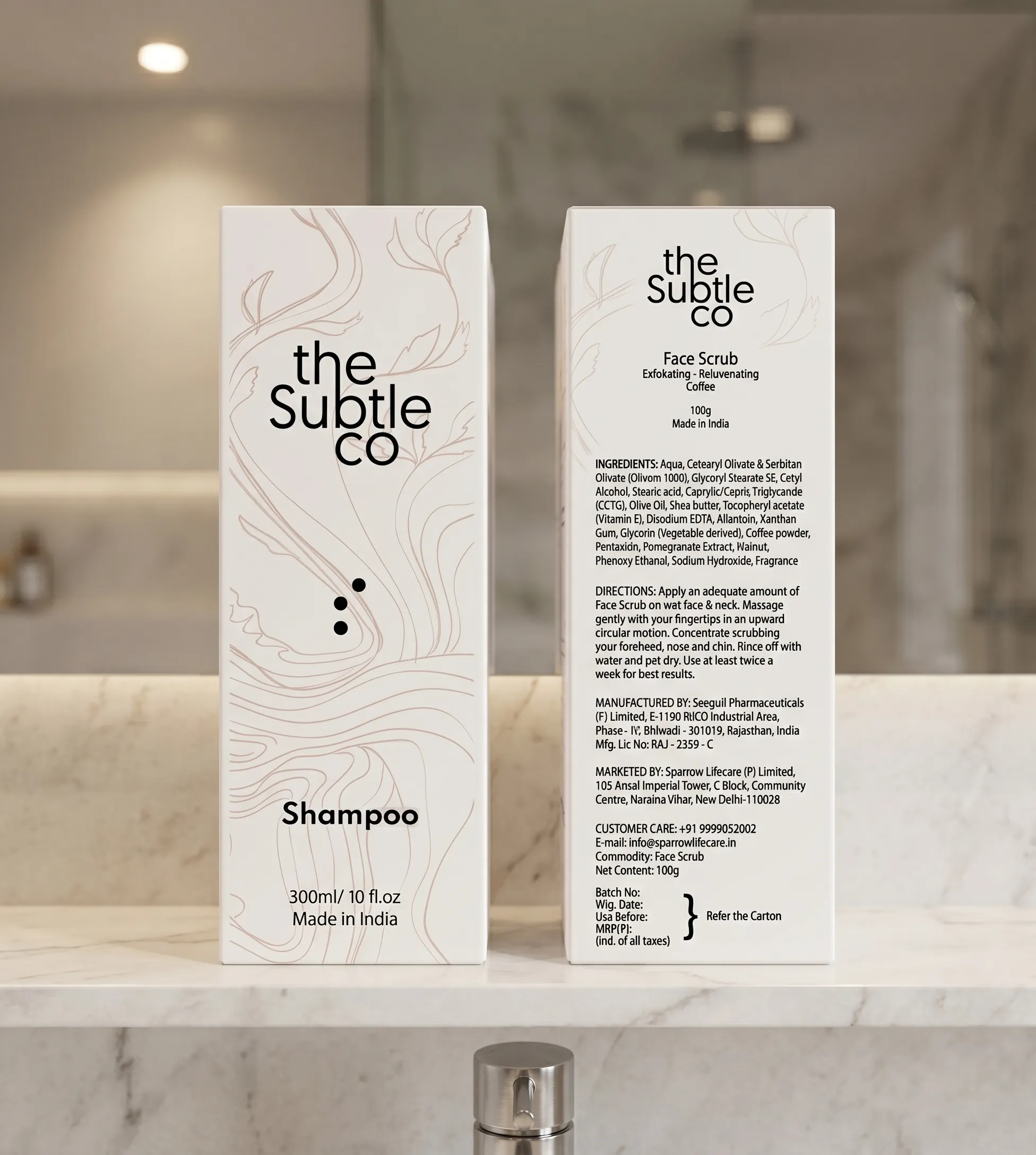
Labels are often treated as a small design layer, but in reality they are the most information dense and regulation heavy part of packaging. From compliance to branding to usability, labels carry the entire communication load in a limited space. Studies show consumers spend less than 7 seconds scanning packaging, and labels drive most of that decision through clarity and hierarchy. Yet, most brands either overload labels with information or reduce them to decoration. The challenge was to design labels that are clear, compliant, and conversion focused.
After the new label system launched, the impact was immediate. Product understanding improved as key information became easier to scan. Shelf recall increased due to stronger visual hierarchy. Consumer trust improved as labels felt more structured and credible. The system scaled across SKUs without redesign complexity. And most importantly, labels became a driver of decision making, not just compliance.
That is the power of label design done right. When information is structured well, it drives action
The Context. When Labels Became Overloaded
Labels were trying to do too much in too little space. Too cluttered. Too technical. Too inconsistent. Too confusing.
The problem wasn’t the content. It was how the content was presented. Labels failed to guide consumers in fast decision environments.
The Challenge. To Design Labels That Communicate Instantly
The brief was clear.
Create a label system that balances branding, information, and compliance.
It needed to be clear but not empty.
Detailed but not overwhelming.
Consistent but not repetitive.
A system that works across multiple SKUs and categories.
The Insight. Why Most Labels Get Ignored
Consumers do not read labels fully. They scan for signals.
Research showed
clutter reduces comprehension significantly
poor hierarchy hides critical information
inconsistent layouts weaken brand recall
excessive text reduces engagement
Consumers want clarity.
Regulations demand accuracy.
Labels must deliver both instantly.
We approached label design as an information system.
Our strategy revolved around three principles
– Purpose, prioritize key information – Design, create strong hierarchy and flow – Function, ensure compliance without clutter
The goal was not to fit everything. It was to guide attention.
The Strategy. Designing for Scan, Not Read
The Visual Identity. Where Information Becomes Design
Labels are the interface between product and consumer.