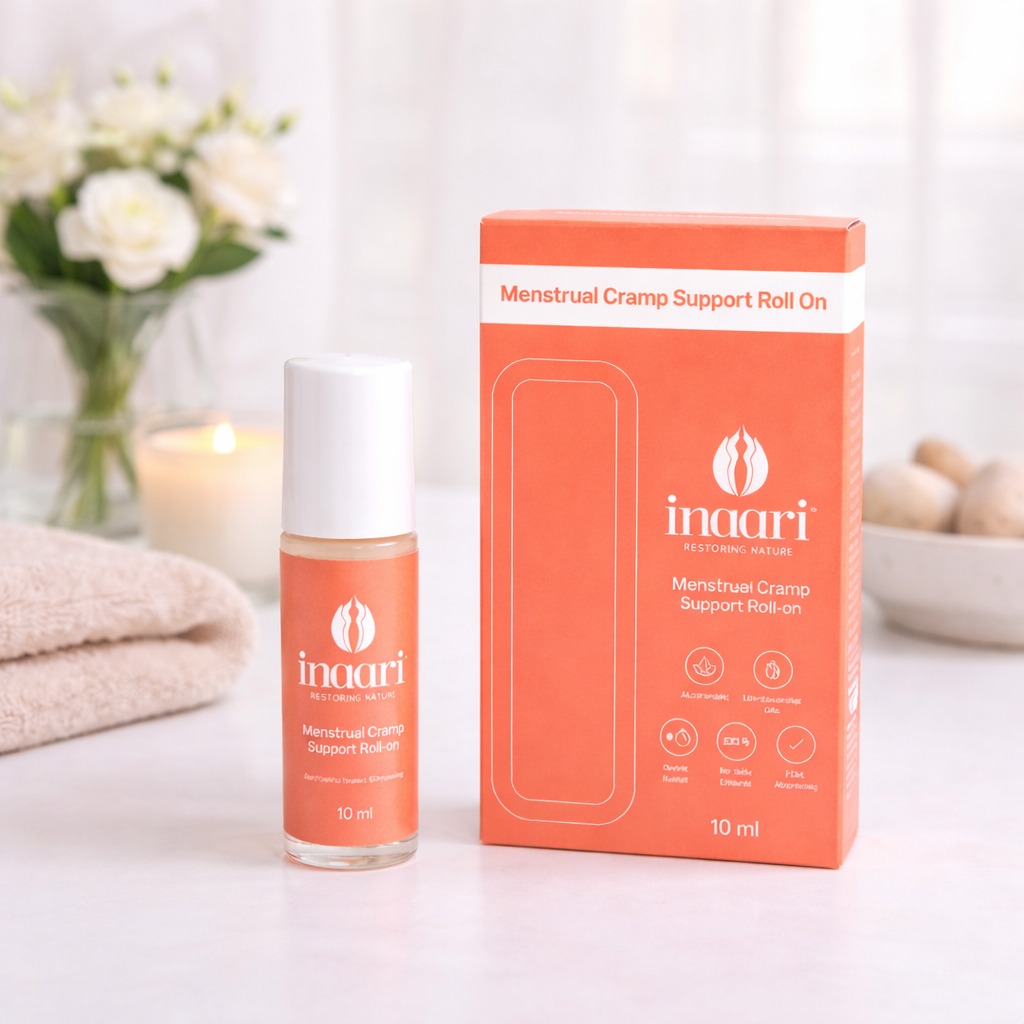
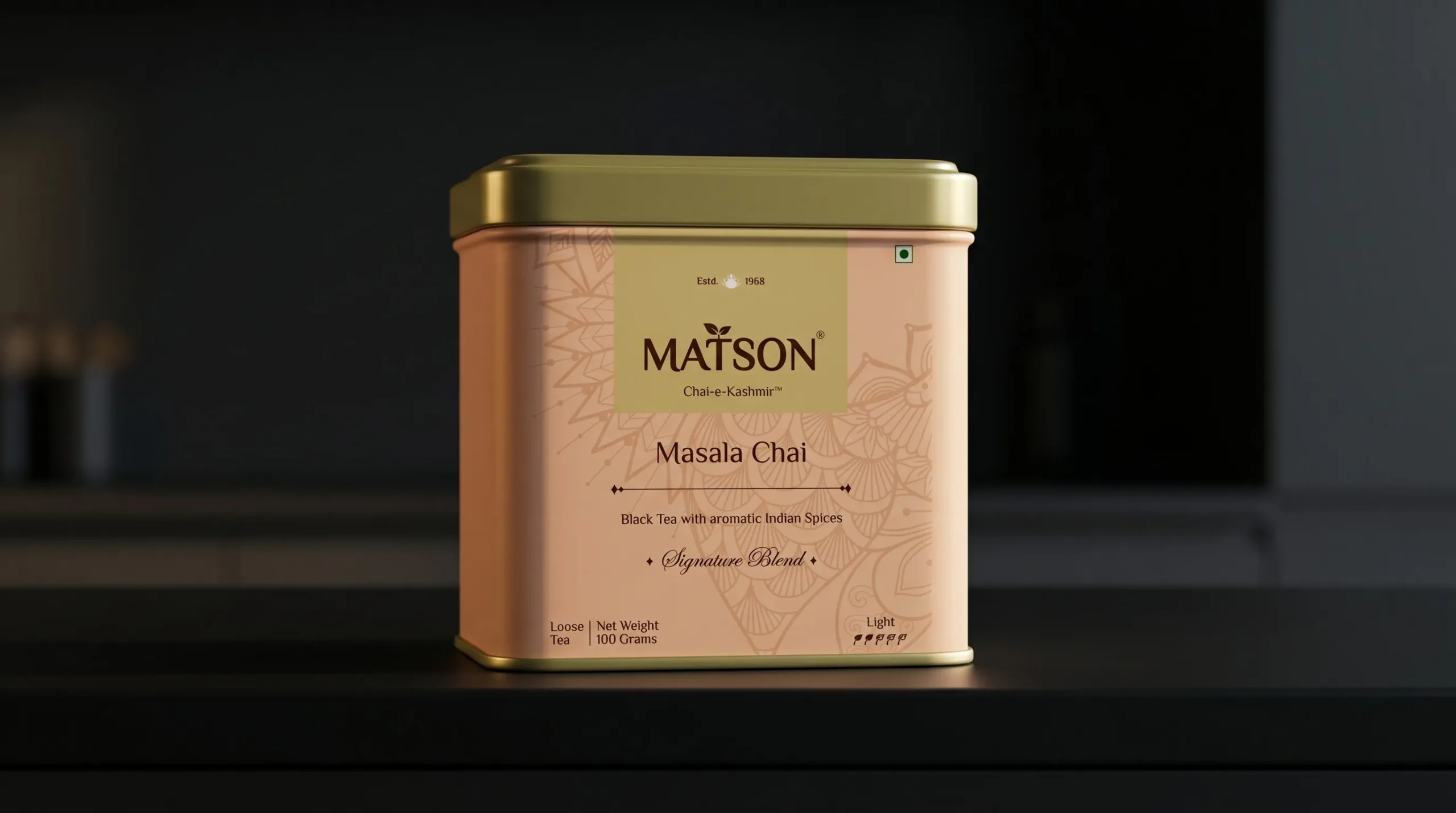
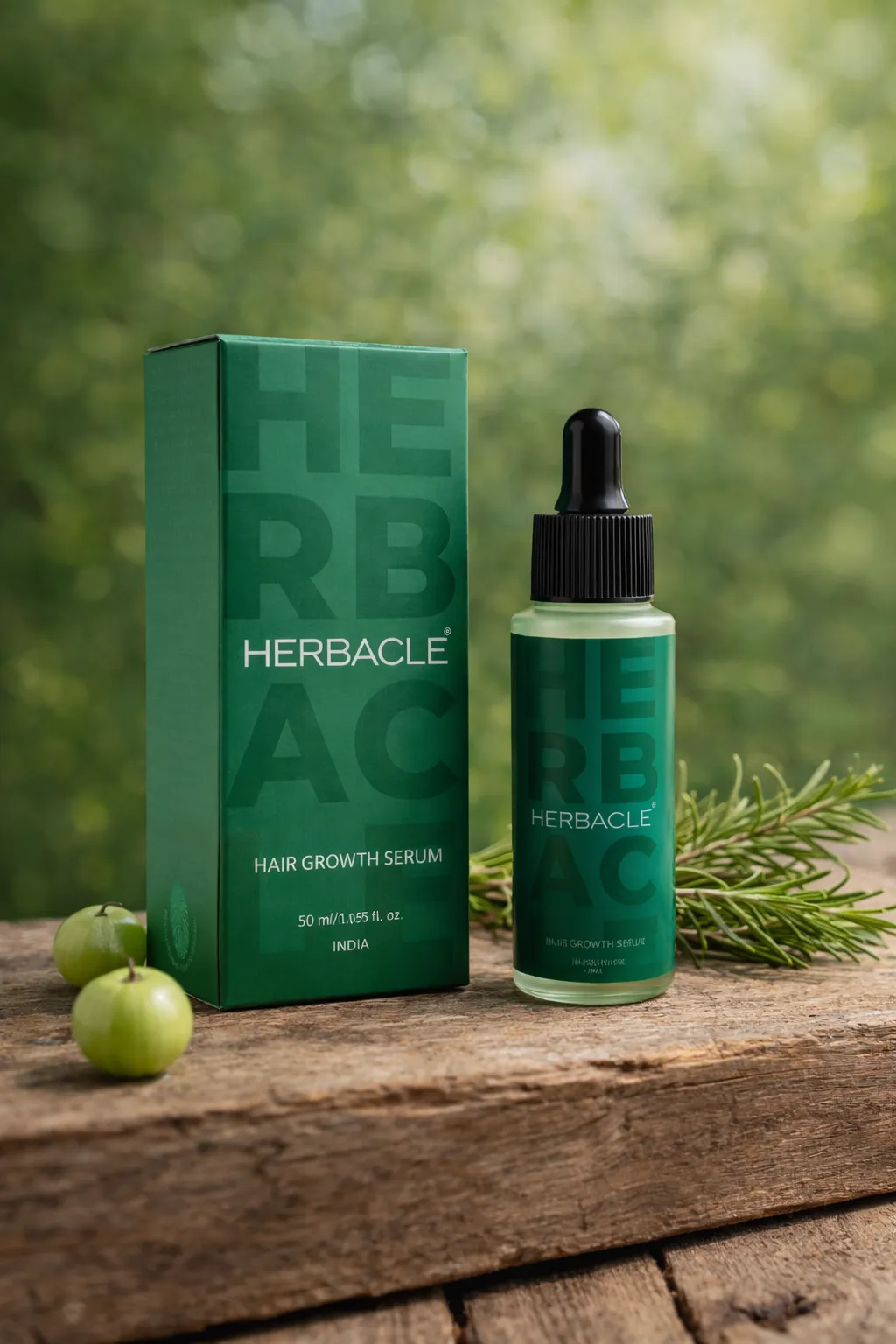
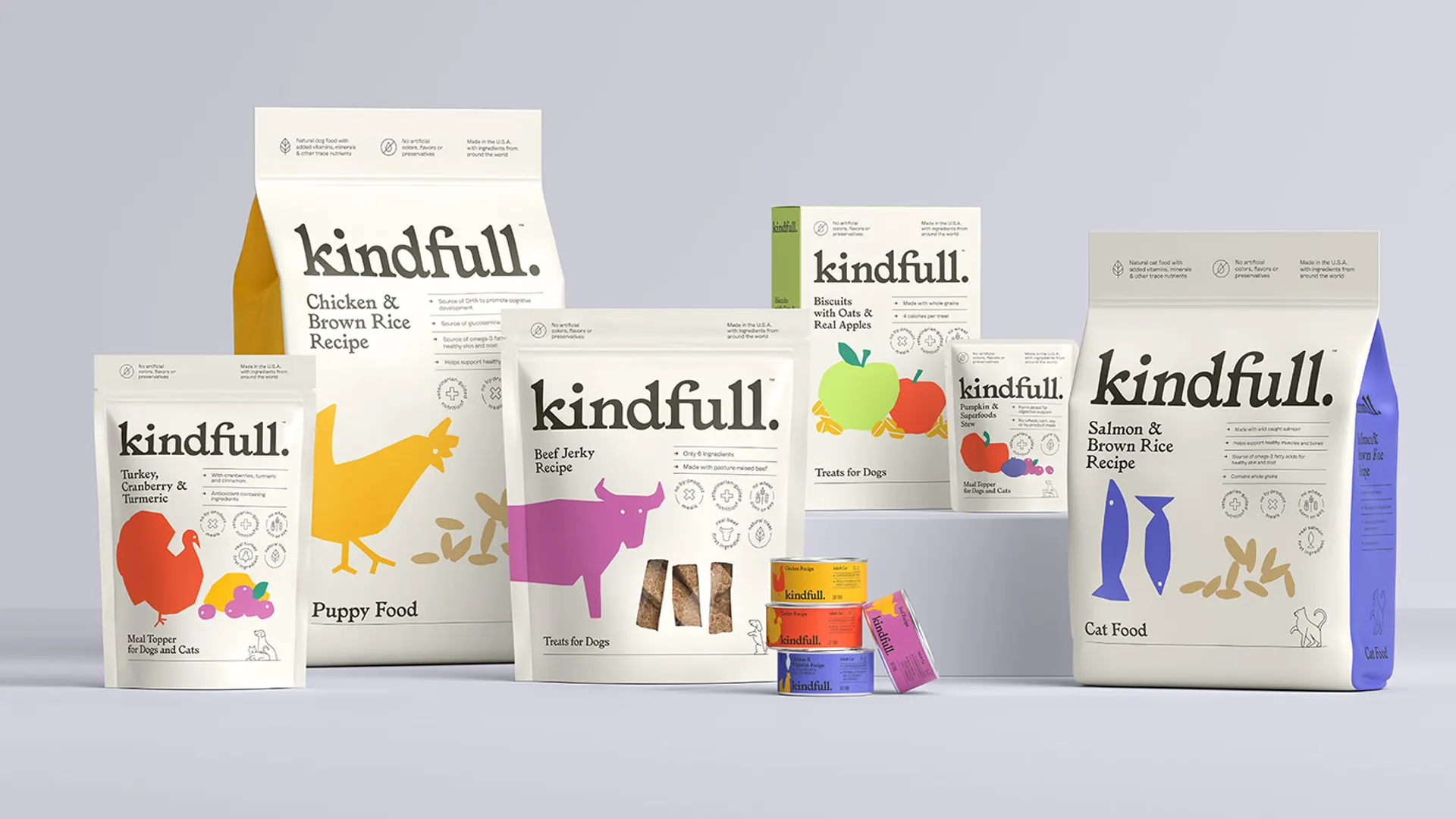
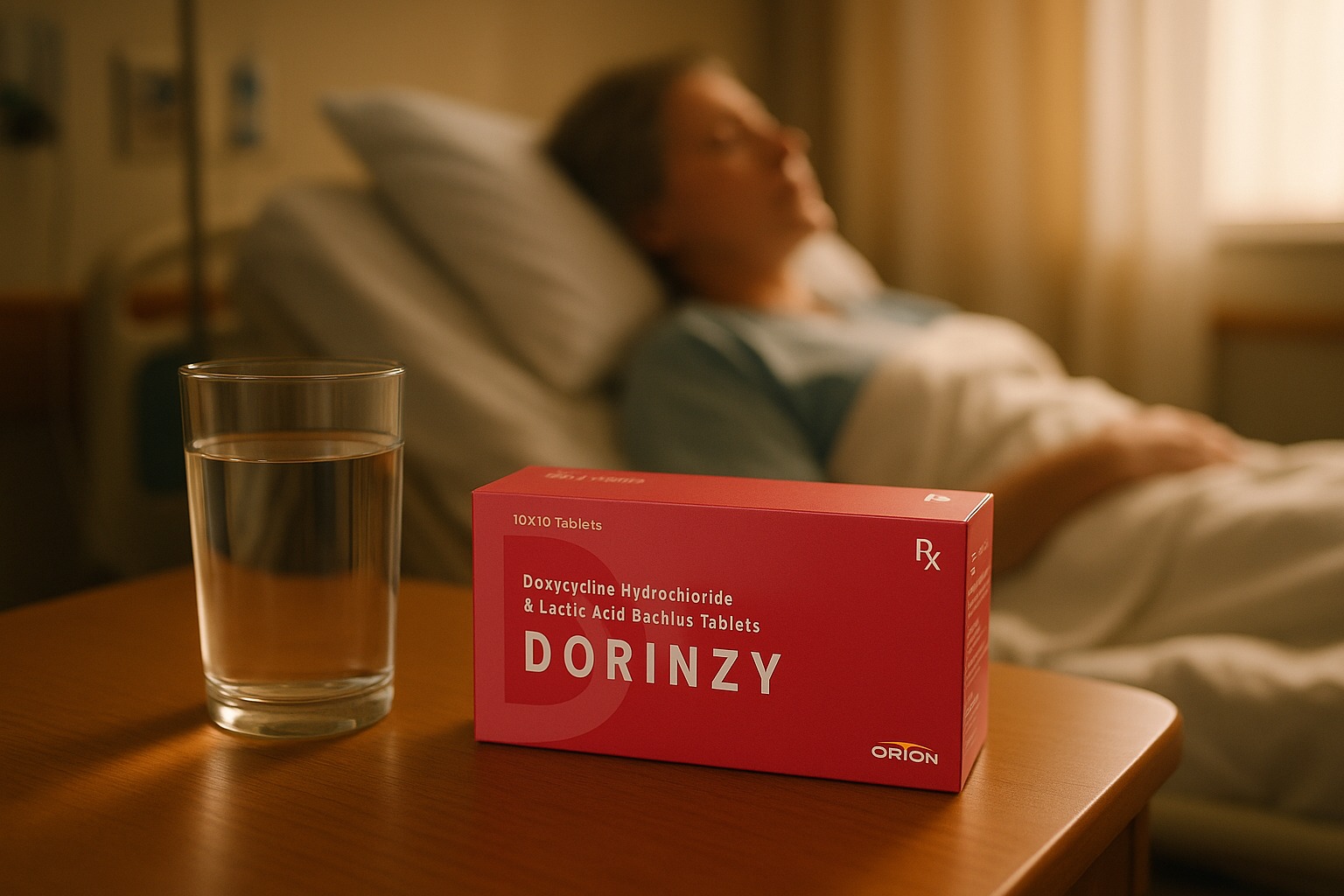
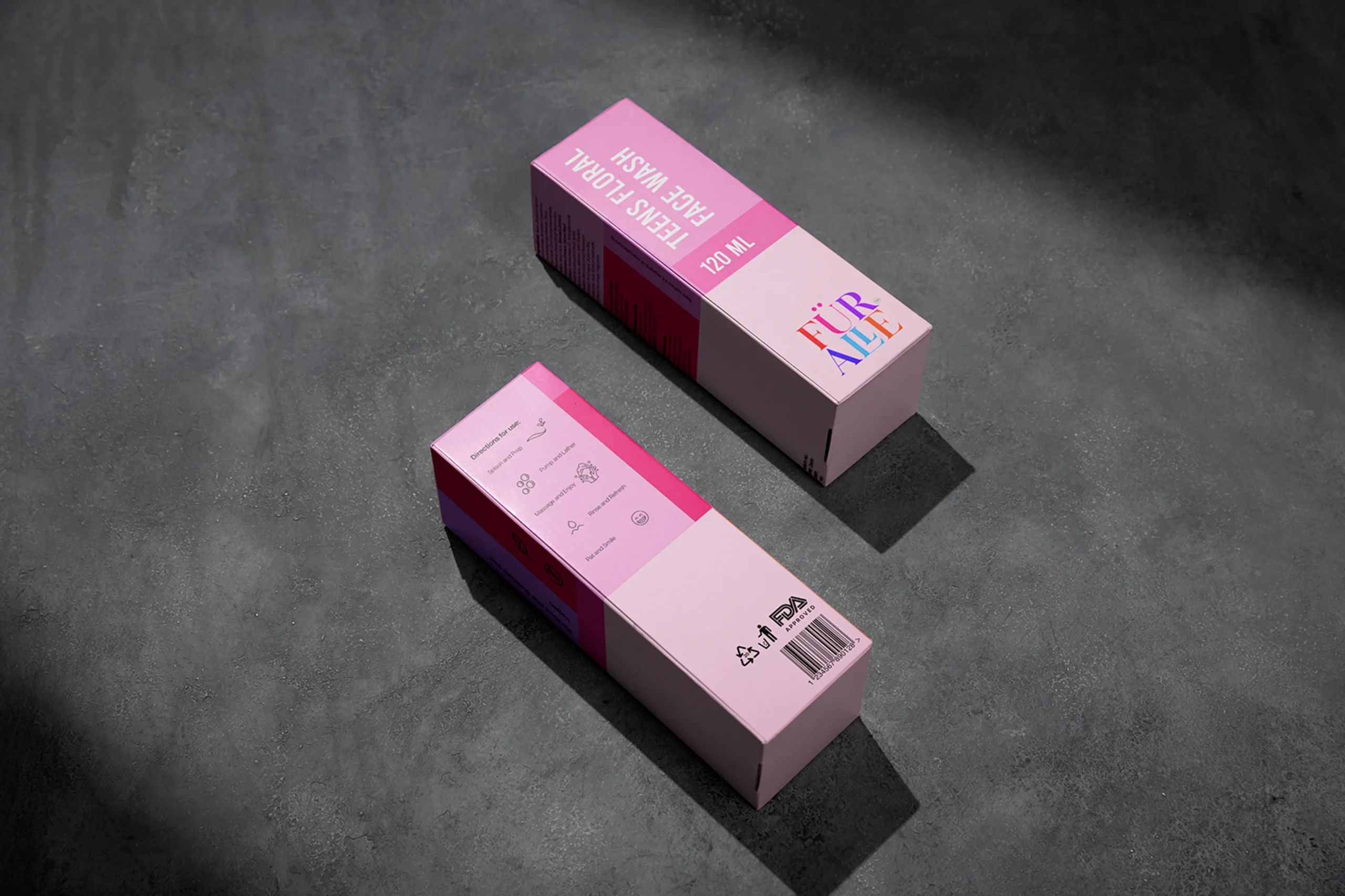
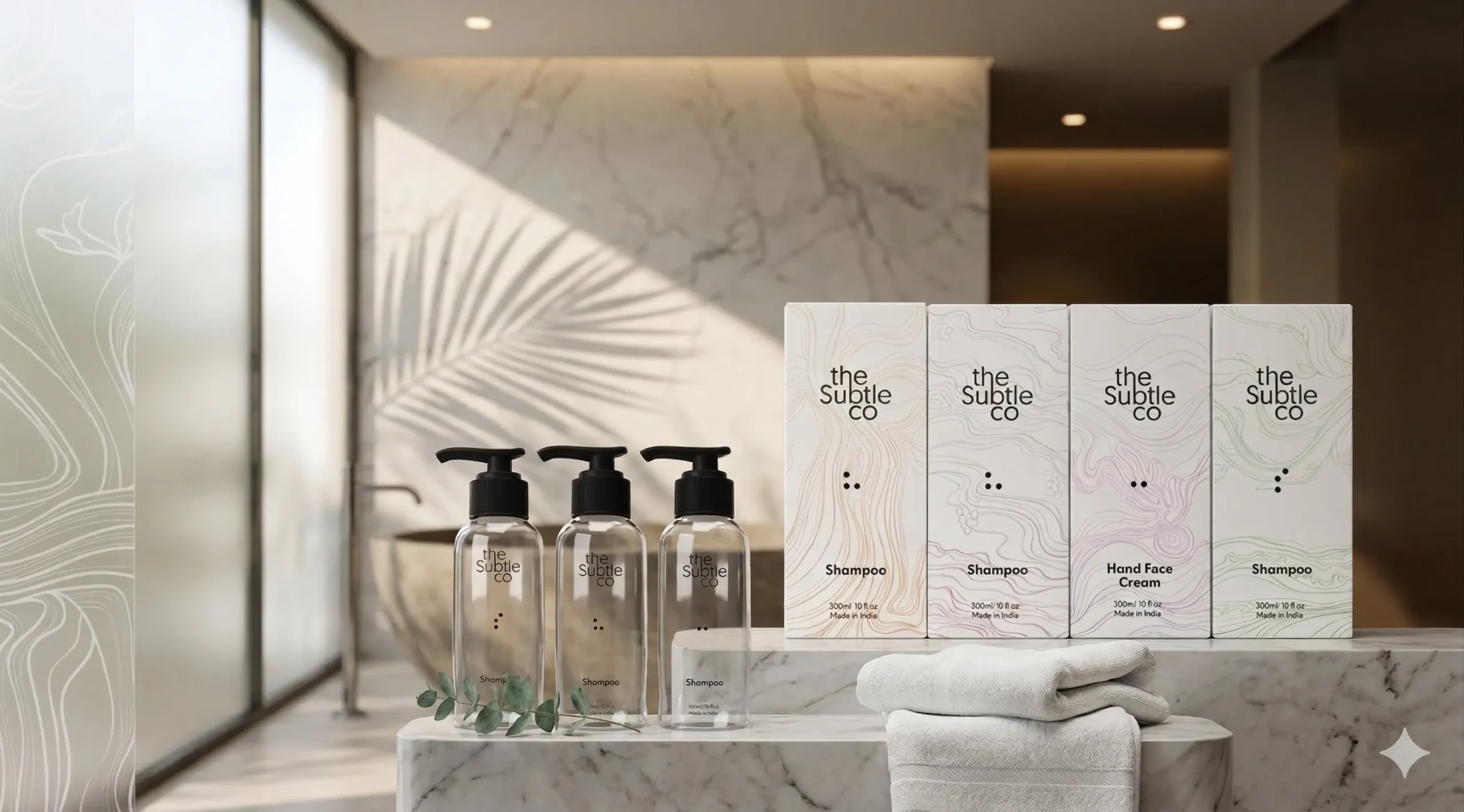
CPG packaging refers to packaging for high frequency consumer products like food, beverages, personal care, and home essentials. With over 70 percent of purchase decisions happening at the shelf and consumers taking less than 7 seconds to decide, packaging becomes the first point of conversion. Yet, most brands still rely on cluttered or outdated designs that fail to communicate clearly. The challenge was to create packaging that is strategic, scalable, and instantly recognizable.
After the new packaging design launched, the impact was immediate.
1. Shelf recall improved, with clear hierarchy increasing recognition by up to 30 percent.
2. Consumer interaction increased as usability became more intuitive.
3. Decision time reduced, improving conversion across retail environments.
4. The system scaled seamlessly across multiple SKUs.
5. And most importantly, the brand achieved stronger premium perception while staying mass accessible.
That is the power of CPG packaging done right. When packaging communicates clearly, it drives decisions.
The Context. When Packaging Failed at the Shelf
CPG categories were growing rapidly, but most packaging underperformed. Too cluttered. Too generic. Too confusing. Too forgettable.
The problem wasn’t the product. It was how the packaging communicated. In an environment where consumers scan shelves in seconds, most packaging failed to guide decisions.
The Challenge. To Design Packaging That Performs at Scale
The brief was clear.
Packaging that works across food, beverage, personal care, and household categories.
It needed to be clear but not boring.
Premium but not inaccessible.
Flexible but not inconsistent.
A design system that performs across SKUs, formats, and retail environments.
The Insight. Why Most CPG Packaging Gets Ignored
Consumers do not read packaging. They scan it.
Research shows
over 70 percent decisions happen at shelf
consumers take under 7 seconds to decide
clutter reduces comprehension significantly
weak hierarchy delays decision making
Consumers want clarity.
Retail demands speed.
Packaging must deliver both instantly.
We approached packaging as a performance system.
Our strategy revolved around three principles
– Purpose, communicate instantly at shelf
– Design, build strong hierarchy and recall
– Function, ensure usability and scalability
The goal was not decoration. It was conversion.
The Strategy. Designing for Speed, Clarity, and Scale
The Visual Identity. Where Attention Gets Captured
Packaging is the first point of interaction.
Typography creates hierarchy. Color defines category. Layout drives scanning behavior.
Every element was designed to guide the eye within seconds. The system works across retail shelves and digital platforms.
The Color and Material Psychology. Driving Trust Instantly
In CPG, perception is formed instantly.
The system used
– color to create visibility and differentiation
– clean layouts to reduce cognitive load
– material cues to signal quality and trust
Each decision improved clarity and confidence.
The system was built on five pillars
Clarity, immediate understanding Speed, fast decision making Consistency, across SKUs Scalability, across categories Trust, through visual simplicity
These ensured performance under real retail pressure.
The Design Language. The Five Pillars of High Performing Packaging
shelf recall improved significantly
decision time reduced across retail environments
consumer trust increased due to clarity
expansion across SKUs required minimal redesign
The packaging didn’t just look better. It performed better.
The Tangible Impact. When Packaging Started Driving Sales
After implementing the new CPG Packaging, the impact was measurable.
The Achievement. Turning Packaging Into a Growth Lever
Packaging evolved from a functional layer into a strategic asset. It began driving visibility, recall, and conversion.
For Beryl, this became a benchmark. Proof that packaging can influence real business outcomes.
What This Means for the Future of CPG Packaging
CPG packaging is no longer just about protection. It is about communication, speed, and trust.
Brands that win are not louder. They are clearer.
Packaging must work faster than the consumer thinks.
Our Perspective. Why Packaging Is a Business Tool
Packaging is not design alone. It is business strategy at the shelf.
Our approach ensures packaging drives clarity, trust, and action.
What We Delivered
Each step ensured packaging performs consistently.
packaging strategy and system design
visual hierarchy and layout structure
scalable design across SKUs
material and usability recommendations
retail and ecommerce ready adaptations
With fifteen plus years in branding, Beryl understands how consumers behave at the shelf.
Our approach combines psychology, design, and business thinking.
That is why the result was packaging that performs. Not just visually, but commercially.
The Beryl Edge
Consumers do not spend time understanding packaging. Packaging must do the work instantly.
Clarity is not simplicity. It is strategic precision.
What We Learned
FAQs
Q1. what is cpg packaging
Packaging designed for high frequency consumer products like food, beverages, personal care, and home essentials.
Q2. why is cpg packaging important
Because over 70 percent of purchase decisions happen at the shelf.
Q3. what makes packaging effective
Clear hierarchy, strong visibility, usability, and consistency across products.
Q4. how does packaging impact sales
Better packaging reduces decision time and increases trust, improving conversion.
Q5. what is scalable packaging design
A system that works across multiple products without redesigning from scratch.