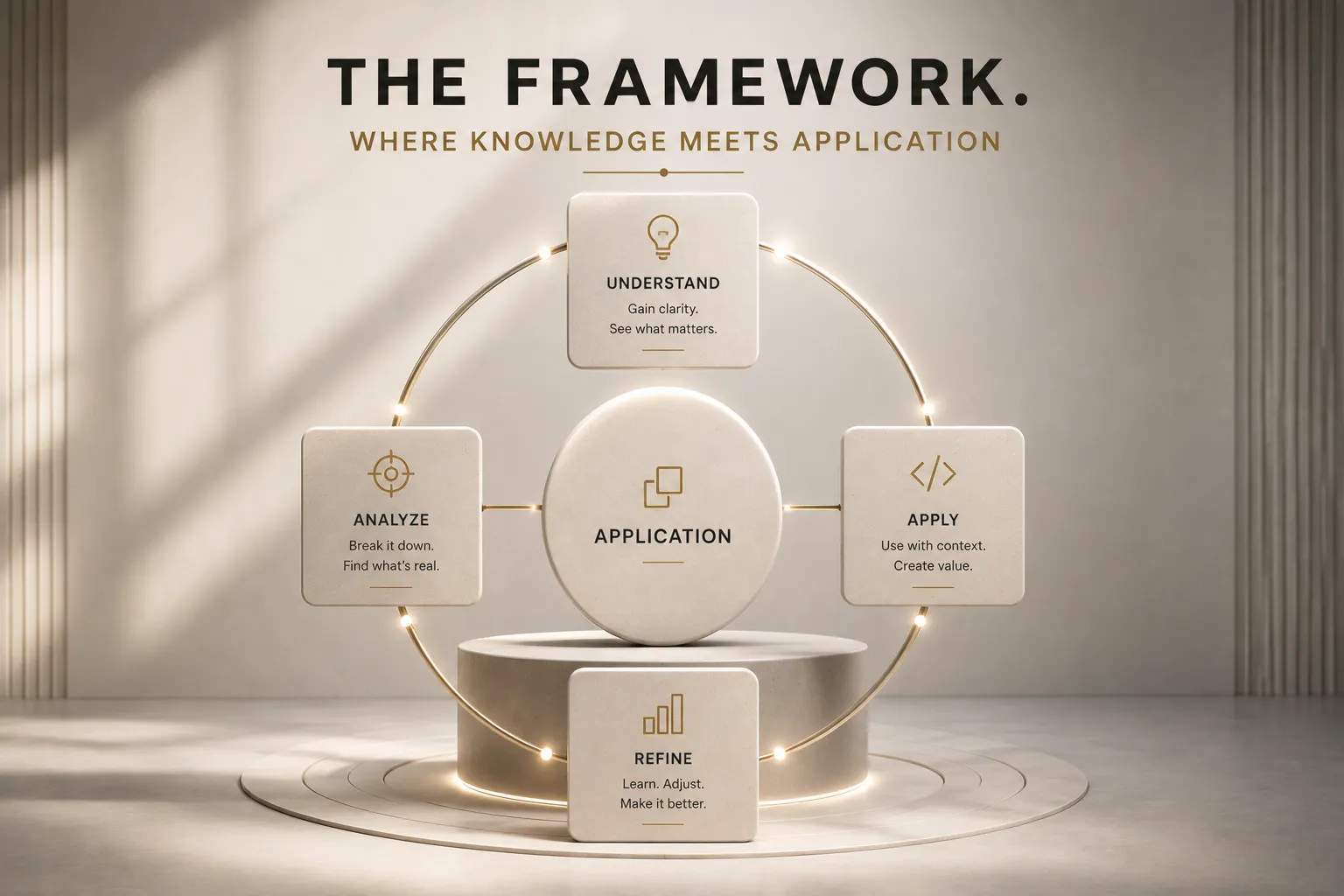
Understanding AI entered a space where every organisation was talking about artificial intelligence, but most conversations were overwhelming, technical, or disconnected from real work. Teams were either intimidated or overconfident. The language around AI was either too complex or too vague. Understanding was low. Anxiety was high. Teams needed a framework that felt honest, grounded, and immediately useful.
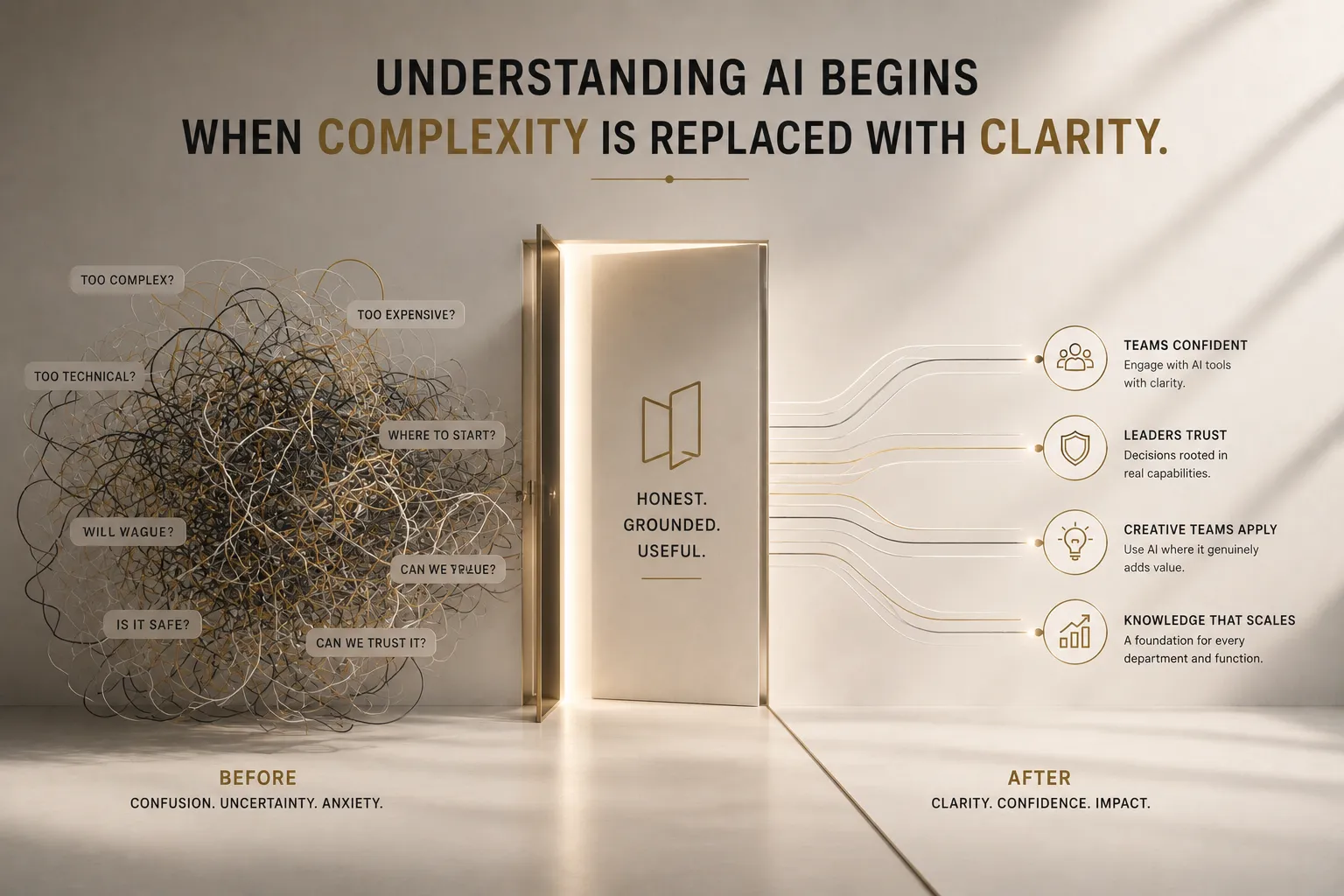
After the foundational understanding was built, the shift was immediate.
Teams engaged with AI tools more confidently because the framing felt honest and clear.
Leaders trusted the process more because it was rooted in real capabilities, not hype.
Creative teams applied AI more effectively because they understood where it genuinely helped.
And most importantly, the knowledge created a foundation that could scale across every department and function.
That is the power of education that reframes perception.
When clarity becomes visible, confidence becomes natural.
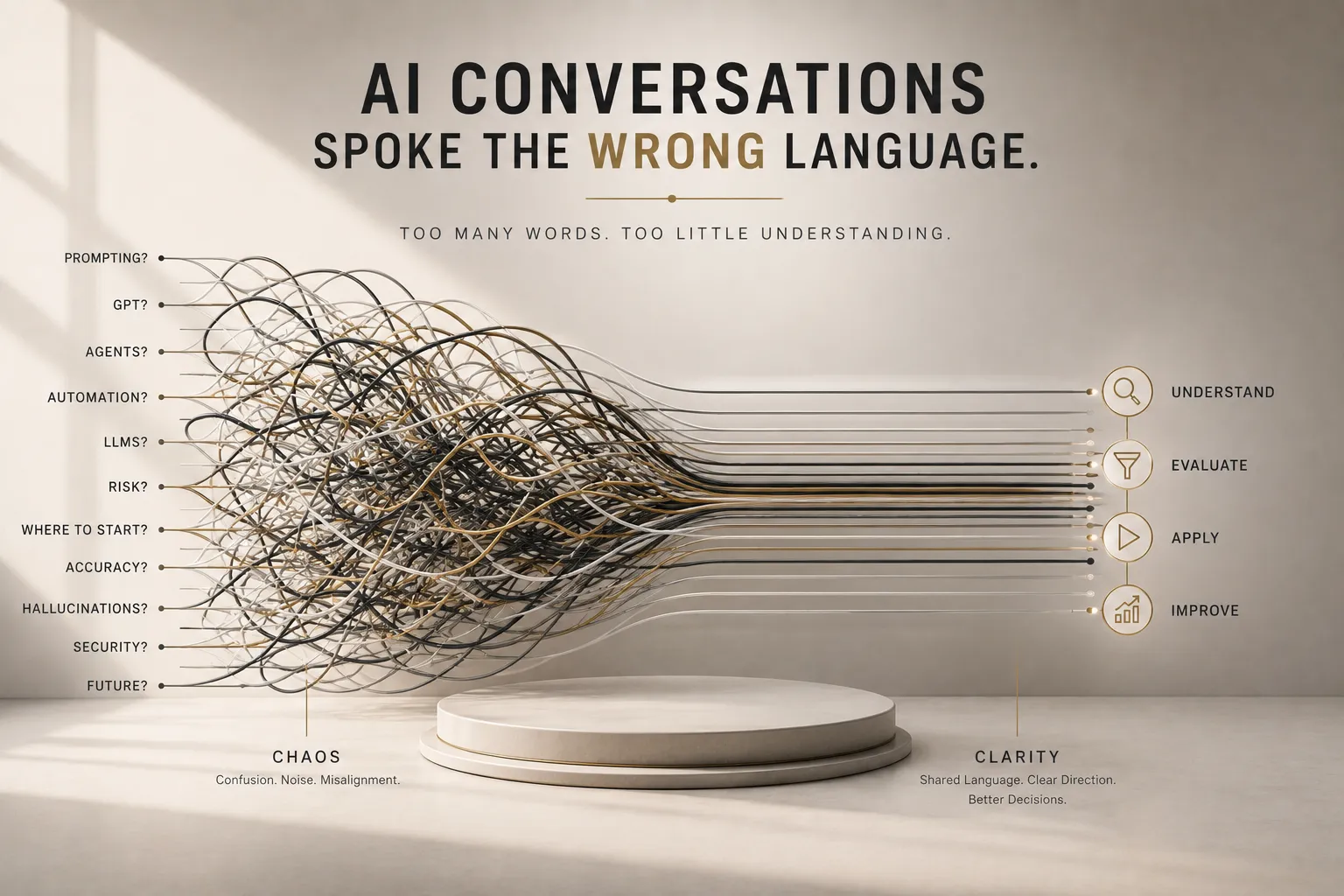
Conversations about AI were growing, but most explanations felt disconnected.
Too technical.
Too abstract.
Too hyped.
Too fear-driven.
The problem was not the technology.
It was how the world was explaining it.
This module was created to sound like a conversation teams could trust and leaders would approve.
The brief was clear.
A framework that works for designers.
For strategists.
For every person on the team.
It needed to be modern but not overwhelming.
Simple but not shallow.
Honest but not discouraging.
An explanation that does not choose a side.
A framework that includes everyone.
Our research revealed a familiar truth.
People disconnect instantly when AI is explained with jargon or exaggeration.
Foundational psychology showed
Teams want clarity.
Leaders want usefulness.
A framework must speak to both.
technical language creates distance
overclaiming capability builds false confidence
ignoring limitations creates costly mistakes
fear-based framing shuts down curiosity
We approached AI education like system design.
Our strategy revolved around three principles
– Purpose: create an honest, grounded understanding of AI
– Design: ensure concepts are layered, approachable, and memorable
– Tone: inclusive, calm, and practically grounded
The goal was not to impress teams with complexity.
It was to respect their intelligence with clarity.
Even though this was an education module, the structure of delivery shaped the learning system.
Layered concepts.
Narrative progression.
No unnecessary complexity.
The module sits comfortably in boardrooms, training sessions, and team workshops.
It behaves like a strategic conversation, not a technical lecture.
Clarity became the design language.
In AI adoption, capability clarity creates confidence.
Just as understanding tools shapes how teams use them, knowing what AI does well shapes how teams apply it.
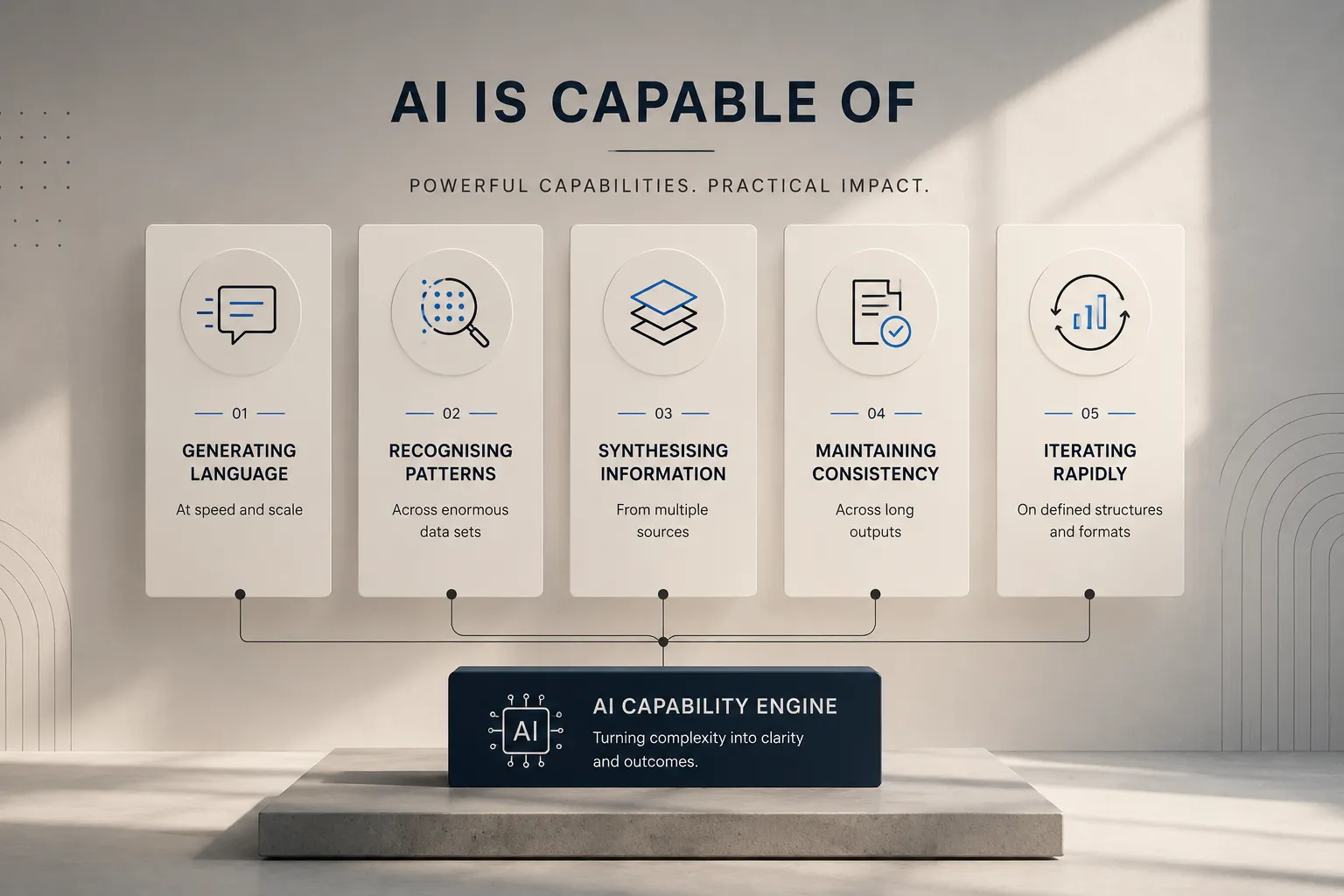
AI is capable of
generating language at speed and scale
recognising patterns across enormous data sets
synthesising information from multiple sources
maintaining consistency across long outputs
iterating rapidly on defined structures and formats
These are not magic.
They are trained behaviours built on prediction and pattern.
The learning system behind this module is built on five elements
Capability, what AI can genuinely do
Benefit, where AI creates real value
Limitation, where AI consistently falls short
Application, how teams use it responsibly
Judgment, why human oversight always remains essential
These elements create a framework that belongs anywhere intelligent work happens.

speed increases across first drafts, research, and ideation

creative bandwidth expands because repetitive tasks reduce

consistency improves across large volumes of content

smaller teams begin performing at the level of much larger ones

strategic thinking deepens because execution burden lightens
AI does not replace the thinking.
It accelerates the doing so the thinking gets more space.
When teams understand AI correctly, the advantages become immediate.
AI has real, consistent, and important limitations.
Recognising them is not weakness.
It is professional intelligence.
– AI has no real-time awareness beyond its training data
– AI produces confident output even when the content is factually wrong
– AI has no lived experience, cultural instinct, or emotional judgment
– AI cannot originate genuinely novel strategy
– AI forgets every conversation and carries no institutional memory
For Beryl, this became a benchmark in responsible AI adoption.
Proof that limitation awareness, when built carefully, becomes strategic protection.
AI proves that teams do not need to fear technology or worship it.
They need clarity, boundaries, and judgment.
The framework creates space for growth into deeper AI integration, responsible automation, and human-led strategy.
A foundation built not for a moment, but for the way work is evolving.
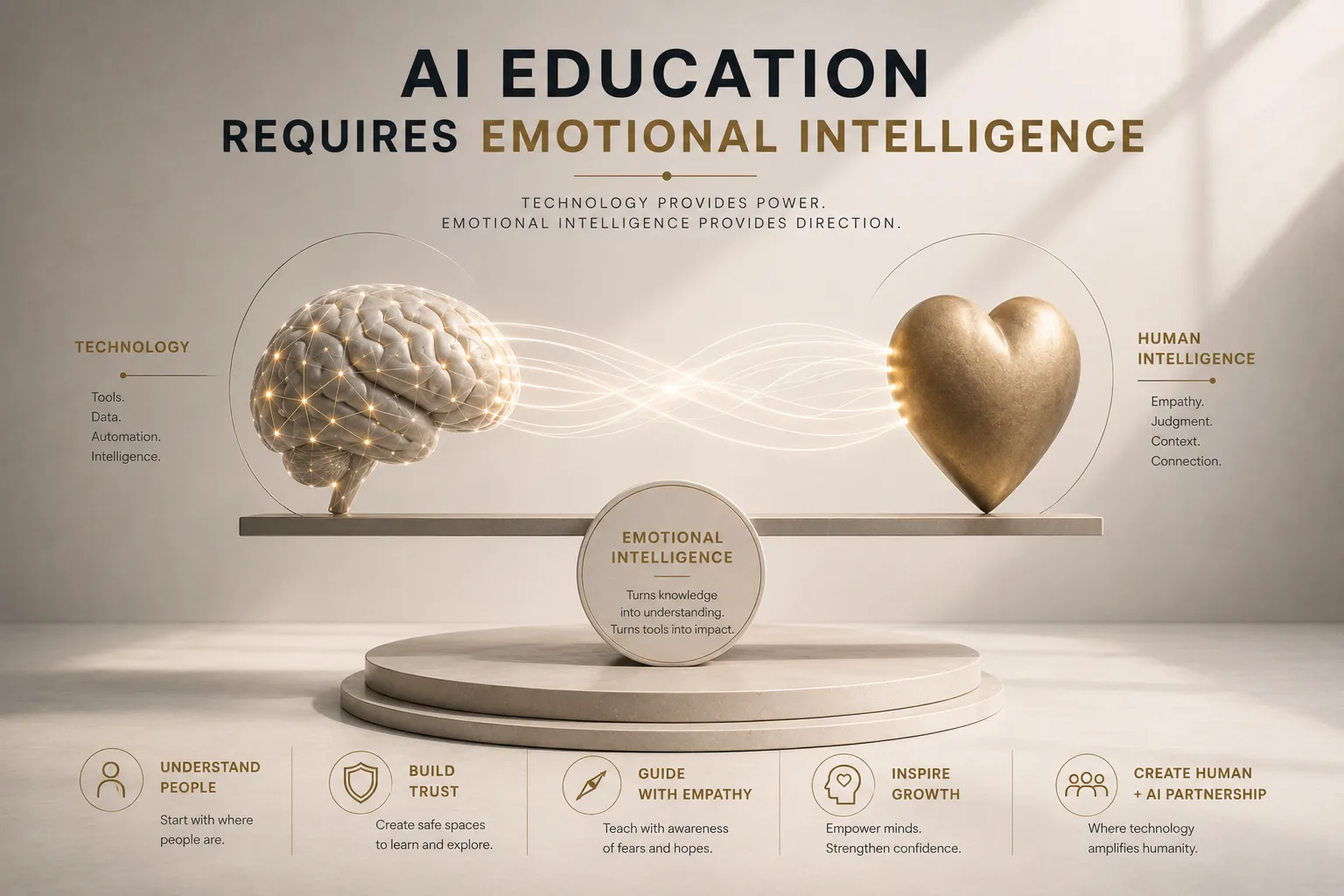
Teaching AI requires psychology, not just information.
It demands understanding how teams think and how leaders decide.
Our approach allows every person in the room to feel informed, capable, and appropriately cautious.
– foundational AI literacy and mental model building
– capability mapping across language, pattern, and synthesis
– benefit identification for creative and strategic teams
– limitation awareness and responsible usage principles
– human and AI collaboration framework
Each step ensures the understanding is honest, applicable, and built to last.
With fifteen plus years in branding, Beryl understands how to merge psychology, culture, and strategy.
Our approach to AI education combines emotional grounding, structural clarity, and long term practical vision.
That is why the result is a framework that actually changes how teams work.
A module that feels like it belongs.
Teams do not want to be overwhelmed.
They want to be equipped.
This module reminded us that honest AI education is not simplification.
It is strength built with clarity.
Because it predicts language based on patterns, not because it understands truth.
More than one hundred real-world applications across twelve industries.
Its structure adapts as AI capabilities evolve without requiring a complete rebuild.
Because trust, quality, and reputation start with knowing where tools fail.
A structure where AI handles execution at scale and humans retain judgment, strategy, and approval.

Brand Voice Systems

Visual Identity and AI

Strategic Naming in the Age of AI