
B2B Branding and Design for Industrial Brands.

Picture a procurement manager comparing two vendors for a large supply contract. One brand has clean catalogues, structured data sheets, and a website that explains everything clearly. The other looks unorganised and outdated. Even before the quote opens, the decision starts forming. The brand with clarity feels safer. That moment when perception shapes trust is where design lives.

At Beryl, we help B2B brands design what they are remembered for. From brand belief to catalogues, from sample kits to website UX, we build systems that communicate reliability, confidence, and operational excellence.

The global B2B sector is projected to cross thirty trillion dollars by 2030, driven by manufacturing, logistics, industrial automation, and enterprise procurement. In this category, design influences trust as strongly as pricing.

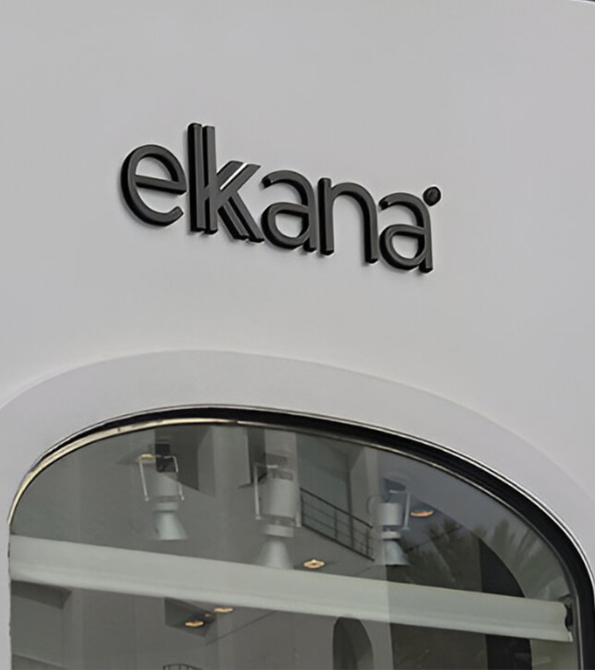
Ekkana Img

Start with the core story

Step 1 badge (red '1' inside a white circle) indicating the first step of a sequence

Every B2B brand stands for a philosophy of reliability, scale, precision, engineering, or partnership. Buyers are not choosing products alone. They are choosing long-term suppliers who reduce operational risk.

At Beryl, we begin by defining your brand Belief System: what should clients believe about your processes, consistency, and commitment?This belief guides identity, communication tone, data presentation, and the structure of your sales pipeline.

Color psychology is critical in B2B. Blues communicate trust. Greys signal engineering strength. Greens support sustainability. Typography and iconography must simplify technical details and reduce interpretation errors. We unify these elements across catalogues, sample kits, websites, presentations, sales decks, booth design, and onboarding material.

B2B buyers evaluate brands through documents, sample materials, and the clarity of communication. Confusion leads to doubt. Clarity builds confidence.


Beryl’s UI /UX team creates digital systems that make technical data easy to navigate. We design category filters, application maps, performance comparison modules, certification pages, and intuitive interfaces that support faster decision-making.


Physical touchpoints matter too. We design sample kits, label structures, and specification documents that communicate engineering maturity.

Great B2B design is not emotional. It is structured confidence.

Design the touchpoints that build operational confidence

B2B partnerships grow when communication is honest and predictable. Buyers prefer suppliers who show capability clearly than overselling.


At Beryl, we design communication systems that clarify product ranges, processes, capacities, tolerances, certifications, timelines, and sustainability commitments. When information is organised well, procurement teams move faster and trust deeper.


Global industrial brands win with transparent documents, consistent identity, and strong technical clarity. We adapt these principles for Indian and international B2B markets.

Build transparency before growth

Branding that expresses capability and consistency

B2B branding must feel stable, technical, and dependable. It should communicate scale without feeling loud.

Beryl’s branding team builds clarity-led identity systems:

Step 1 badge (red '1' inside a white circle) indicating the first step of a sequence

Color logic aligned with product families and industrial verticals

Icons that simplify technical details, applications, and features

Typography systems optimised for catalogues and specification sheets

Identity grids that scale across documentation, trucks, websites, and interiors

We design branding that makes your company look enterprise-ready.

Designing for efficiency, not complexity

B2B categories often suffer from inconsistent documents and cluttered communication. Good design reduces friction across the entire buyer journey.

At Beryl, we unify branding, UX, catalogues, sales decks, factory visuals, and documentation into one structured ecosystem. From product cards to sample boxes to website architecture, everything reassures the buyer.

That is how we turn B2B brands into long-term supply partners.

A mini field guide from Beryl

Define your brand belief: reliability first, engineering first, or sustainability first

Build specification communication that reduces confusion

Use icons to simplify product categories and applications

Keep catalogues highly structured and easy to scan

Maintain one consistent design language across all sales materials

Do this, not that

Step 1 badge (red '1' inside a white circle) indicating the first step of a sequence

Sharda Containers

A complete end-to-end rebranding project including logo redesign, sales collateral, truck branding, interior branding, uniforms, and factory communication. The brand now communicates modern industrial strength and operational clarity across every touchpoint.

Switcher

Branding for Switcher's B2B product ecosystem building a strong identity system and structured communication that supports large-scale industrial buyers.

Prominent case studies

Beryl’s integrated brand, packaging, and UX teams bring discipline and precision to your B2B brand.

The psychology behind B2B design

Your next three moves

Define your brand belief system: the reliability promise your B2B brand must hold

Build your "ecosystem" "identity" "UI" "catalogues" "sales decks" and "documentation" in one unified structure

Create your clarity system, category filters, specification sheets, data tables, and capacity communication

FAQs B2B founders often ask

How should I position my B2B brand?

Position around reliability, capability, or engineering excellence.

Blues, greys, and greens that signal trust and industrial maturity.

Clear product navigation, structured specifications, and transparent capability sections.

Minimal in structure, detailed in technical information.

Yes. We build unified systems across identity, catalogues, decks, and sample kits.

Very. Clean factory and product photography increases perceived capability.

Yes. Certifications and compliance are major trust builders.

Transparent data, clean documents, and consistent identity across platforms.

Increasingly important. Many large companies use it as a vendor selection filter.

Use a master grid, clear icon logic, color families, and structured data templates.

If you’re building the next B2B brand that procurement teams trust without hesitation…

berylagency
berylagency
berylagency