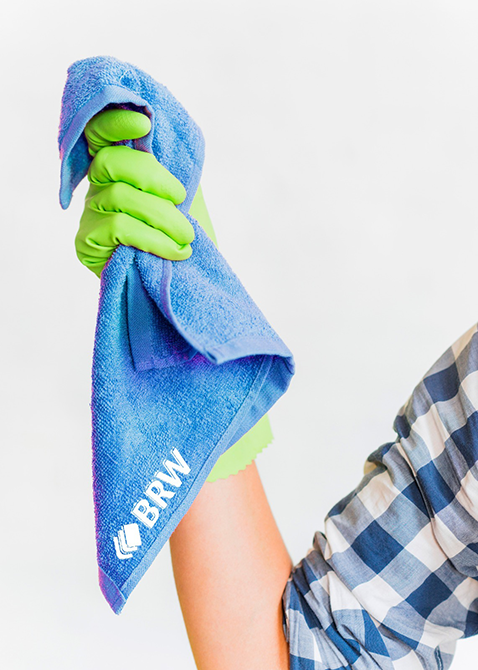
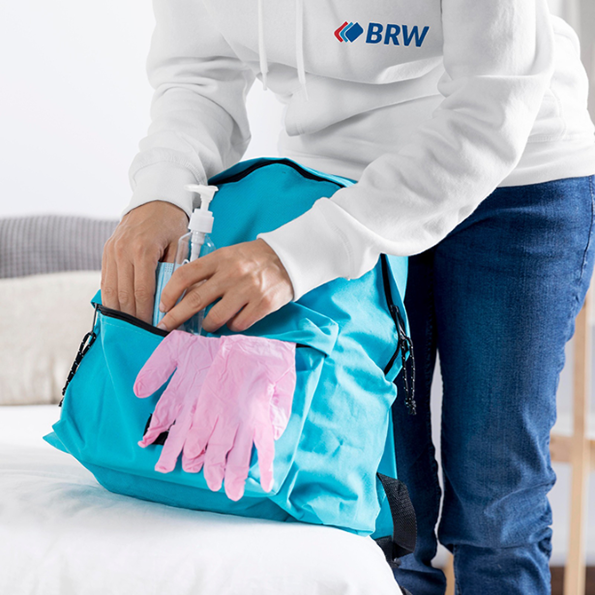
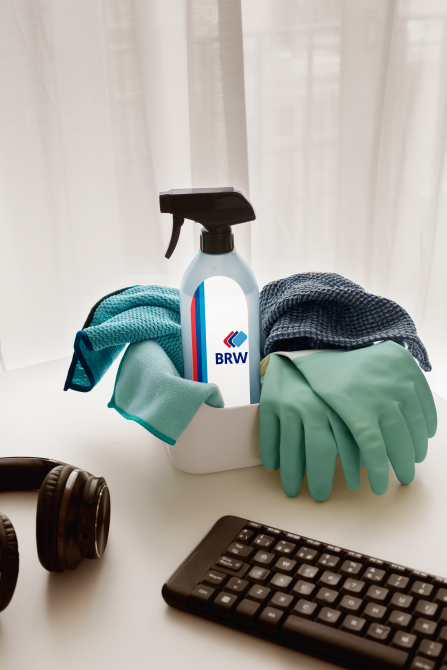
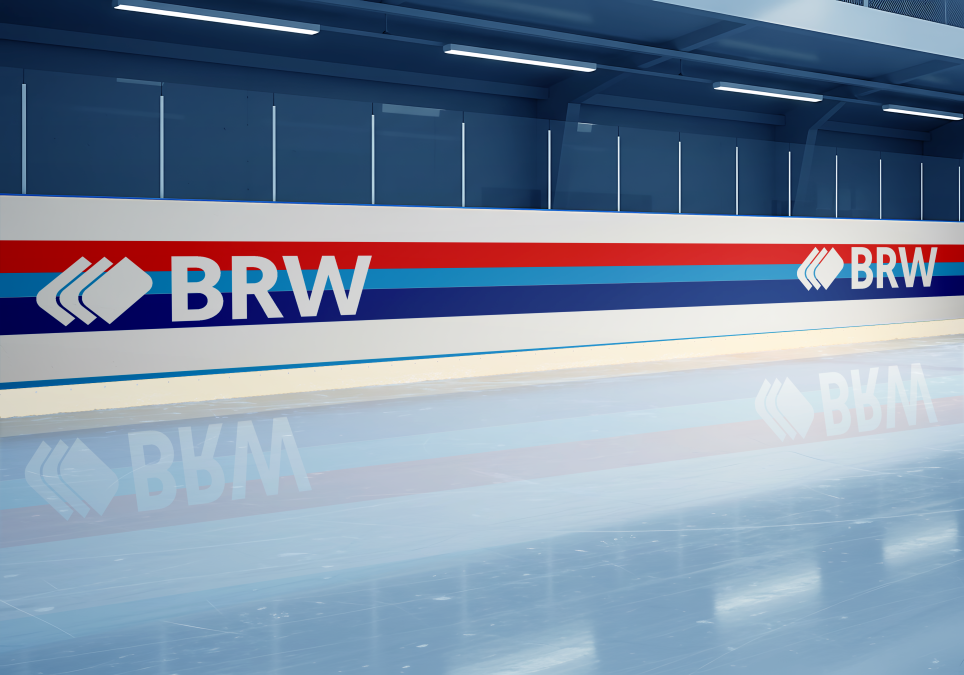
entered the market with something most new brands don’t have. Legacy. For over 40 years, BRW had been a trusted cleaning aid brand, manufacturing mops, brushes, wipers, and scrubbers that were staples in households across Eastern India. The products were dependable. The distribution was strong. But the brand identity had not evolved with time. What once worked locally was now limiting national ambition.
After the rebrand rolled out, the shift was visible.
1. The brand began to look unified across regions.
2. Retail presence felt more confident and contemporary.
3. Packaging consistency improved recall across categories.
4. And most importantly, BRW was finally prepared to scale beyond its stronghold without losing its roots.
That is the power of rebranding done with restraint. When legacy is structured correctly, growth becomes natural.
The Context. When Legacy Meets Expansion
BRW has been manufacturing cleaning aids since 1985. Mops. Brushes. Wipers. Scrubbers.
The brand built deep trust across Uttar Pradesh and Eastern India, becoming a category leader in everyday cleaning essentials. But while the products evolved, the brand language did not.
The challenge wasn’t relevance. It was readiness for scale.
The Challenge. To Modernise Without Losing Trust
As the next generation stepped into leadership, the ambition grew.
New markets.
New geographies.
Modern retail formats.
The problem was clear.
The existing identity was fragmented, inconsistent, and difficult to scale nationally.
BRW needed a rebrand that respected 40 years of trust while preparing the brand for the future.
The Insight. Why Legacy Brands Struggle to Scale
Our analysis revealed a familiar issue with legacy FMCG brands.
strong products but weak visual consistency
high regional trust but low national recognition
outdated identity limiting modern retail acceptance
no single system connecting packaging, brochures, and communication
BRW didn’t need reinvention.
It needed alignment.
There was no one-size-fits-all solution. So we took a system-led approach.
Our strategy revolved around three principles
Purpose: preserve trust built over decades Design: create consistency across products and regions Tone: confident, familiar, and future-ready
The goal was not to chase trends. The goal was longevity.
The Strategy. A Multi-Pronged Design Approach
The Visual Identity. Distilling Trust, Not Redesigning It
We began with the logo. Not as a redesign, but as a distillation.
Three strokes. One continuous motion. A loop that symbolises cleaning, rhythm, and continuity.
The mark respected memory while improving recognisability and balance.
The Color Psychology. Familiar Yet Functional
The colors were not chosen for novelty. They were chosen for meaning.
Red for energy and action. Blue for hygiene and reliability. Cyan for recall and brand memory.
Together, they created a palette that felt familiar to existing users and credible to new markets.
BRW’s strength lies in range. But range without structure creates confusion.
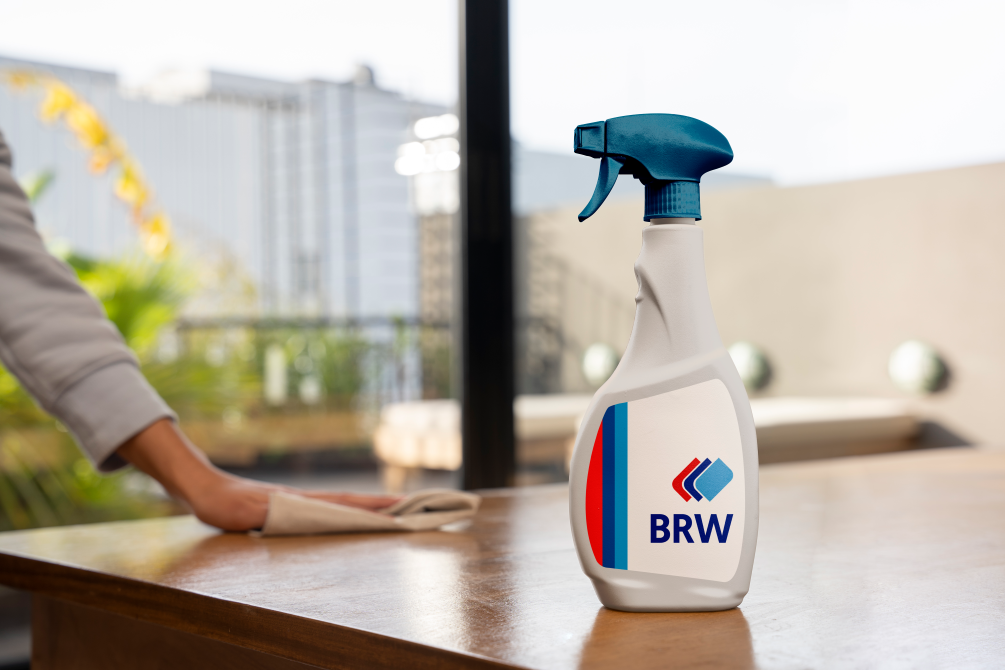
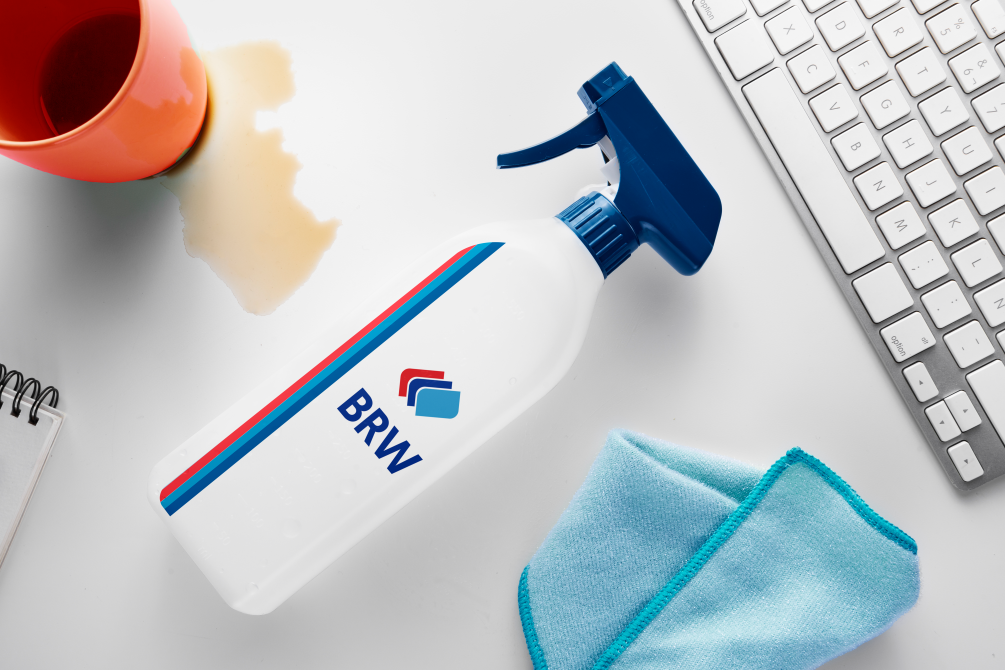
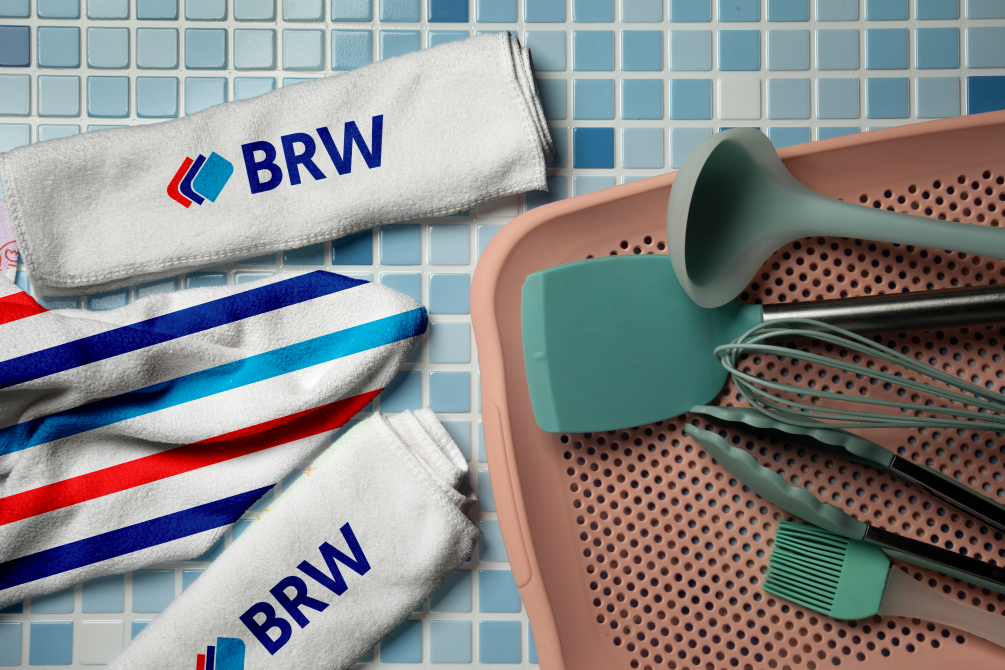
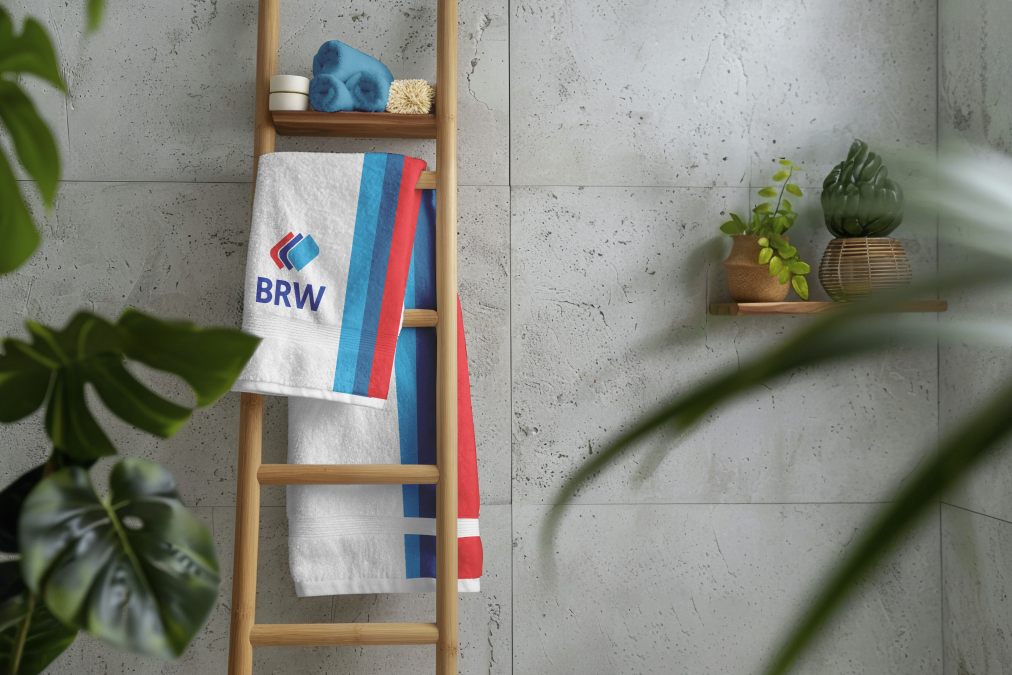
We built a visual system that works across mops brushes wipers scrubbers
One grid. One hierarchy. Multiple SKUs. Zero inconsistency.
The Design Language. One System, Many Products
packaging looked unified across regions
retail presence improved in modern trade formats
distributors found the brand easier to represent
consumers recognised the brand faster across shelves
The products didn’t change. The perception did.
The Tangible Impact. When Consistency Changed Perception
Post rebrand, the impact was immediate.
The Achievement. Preparing a Regional Leader for National Scale
BRW moved from being a strong regional brand to a nationally recognisable system. Still rooted in legacy. Now confident on any shelf.
For Beryl, this project reinforced how design can unlock growth for legacy brands without erasing their past.
What This Means for the Future of Legacy FMCG Brands
BRW proves that legacy does not need to feel outdated. With the right design system, history becomes an asset.
Rebranding isn’t about erasing memory. It’s about organising it for the future.
Our Perspective. Why Legacy Brands Need System Thinking
Legacy brands often grow organically without structure. Design thinking brings order, clarity, and scalability to that growth.
For BRW, system thinking turned decades of trust into a platform for expansion.
What We Delivered
Each element was built to support long-term growth.
brand strategy and repositioning
logo refinement and identity system
packaging design framework
brochure and sales communication system
scalable visual guidelines for future SKUs
With over fifteen years of experience across FMCG and industrial brands, Beryl understands how to modernise legacy without breaking trust.
Our approach balances respect for history with readiness for scale.
The Beryl Edge
Legacy brands don’t need reinvention. They need alignment.
BRW reminded us that when trust is preserved and structure is introduced, growth follows naturally.
What We Learned
FAQs
why did brw need rebranding after 40 years?
To prepare the brand for national expansion and modern retail formats.
did the products change?
No. Only the identity system was unified and modernised.
why was consistency important?
Because inconsistent branding weakens recall and limits scale.
can the system support future product lines?
Yes. The design framework is modular and scalable.
what was the biggest outcome of the rebrand?
A stronger, unified brand ready for national presence.