Wafle entered a category where fulfilment infrastructure was scaling fast, but the identity around it was outdated. Most brands in warehousing and logistics spoke in cold, transactional language, packaged in corporate clichés that operators no longer related to. The category was growing fast, but trust was low. Wafle needed a name and identity that felt modern, human, and built for every node in the supply chain.
After the brand launched, the shift was immediate. Operators remembeWaflet faster because it felt grounded and purposeful. Partners trusted it more because it sounded structured, balanced, and non-generic. The brand expanded easily across warehousing and flow systems without identity friction. And most importantly, the name and mark created a foundation that could scale far beyond a single fulfilment hub.
That is the power of branding that reframes infrastructure. When design becomes visible, trust
The Context. When Fulfilment Brands Spoke the Wrong Language
Integrated warehousing and fulfilment were booming, but most brand identities felt disconnected. Too industrial. Too generic. Too transactional. Too forgettable.
The problem wasn’t the category. It was how the industry presented itself. Wafle was created to sound like a name operators could trust and partners would respect.
The Challenge. To Build a Name and Mark That Feels Universal
The brief was clear. A name that works for inbound. For storage. For outbound.
It needed to be modern but not trendy. Structured but not cold. Human but not soft.
A name that doesn’t choose a single function. A name that holds the entire system together.
The Insight. Why Fulfilment Brands Fail at Identity
Our research revealed a familiar truth. Operators disconnect instantly when a brand feels like a utility label or an overbuilt corporate name.
Naming and identity research showed
Operators want reliability. Partners want clarity. A brand must speak to both.
transactional names reduce emotional investment
overly technical identities feel inaccessible
generic marks look interchangeable
cold tones feel misaligned with human-centric operations
We approached naming and visual identity like system design.
Our strategy revolved around three principles
-Purpose: create a human-centric, scalable brand identity -Design: ensure structural logic and modular visual form -Tone: grounded, precise, and operationally confident
The goal was not to impress the industry. It was to reflect the people building it.
The Strategy. Designing Infrastructure, Not Just Identity
The Visual Identity. Where Structure Meets Meaning
Even though this was a naming and identity project, the logic of the mark shaped the entire system.
Three founders. Three fulfilment flows. One unified symbol.
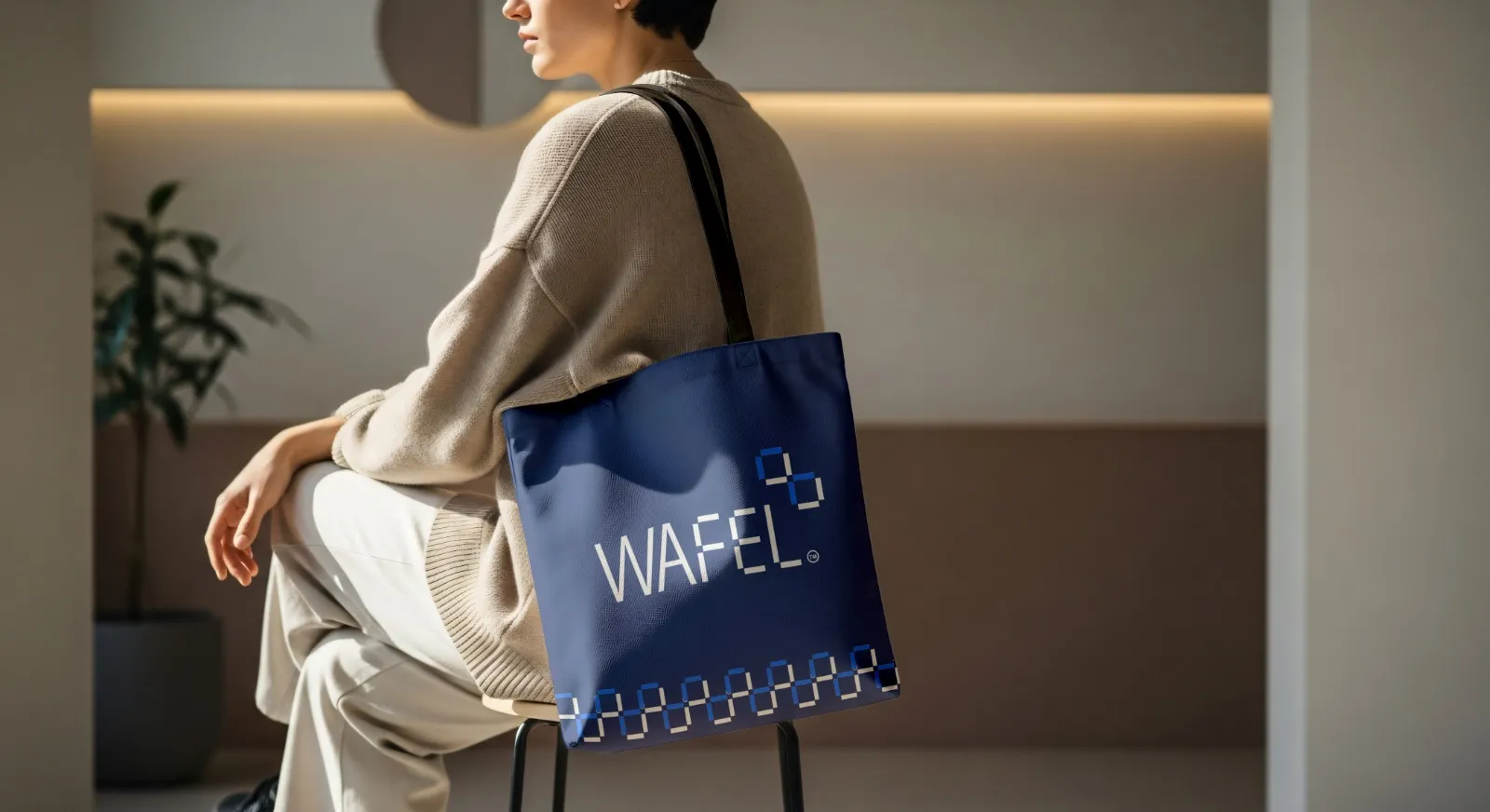
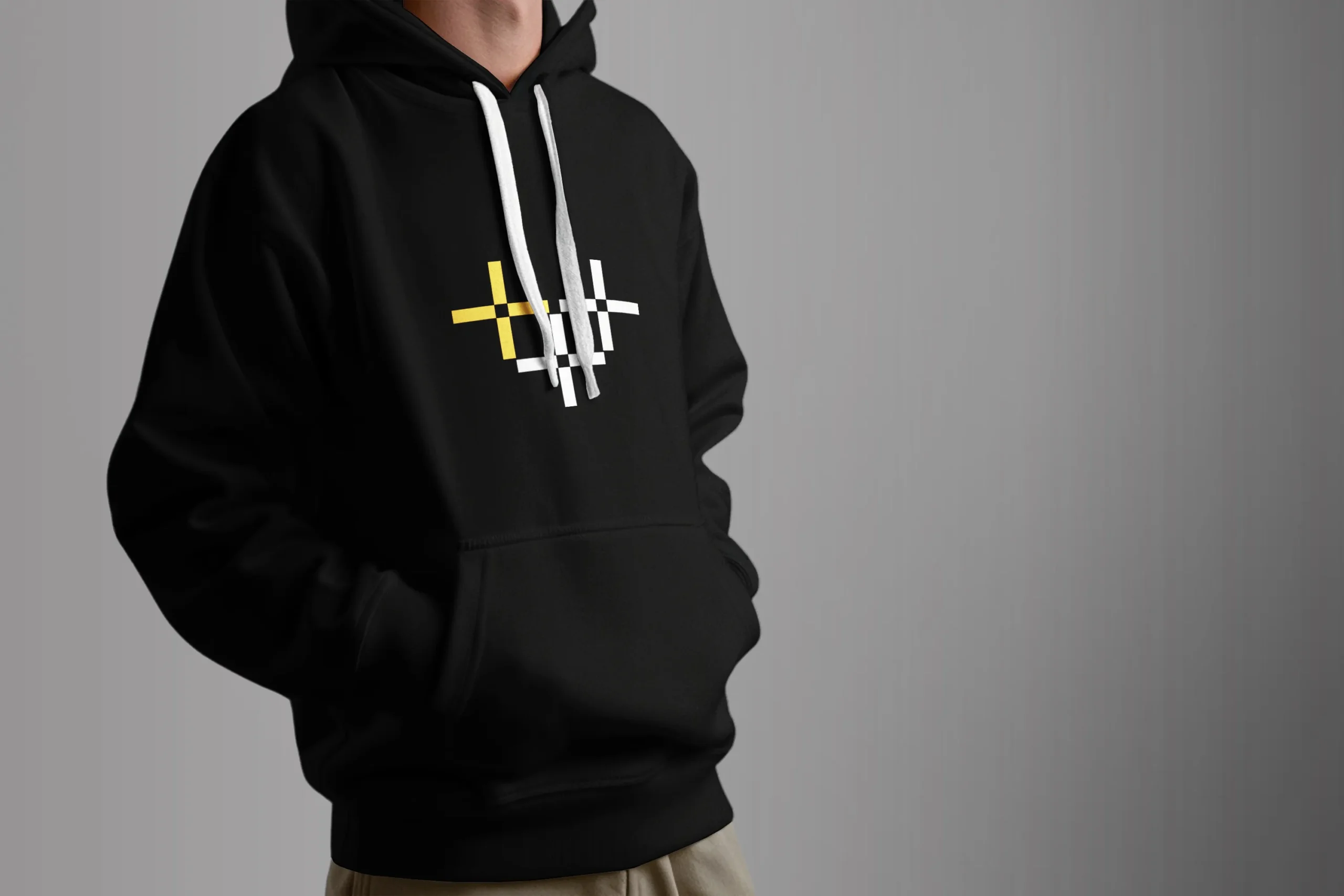
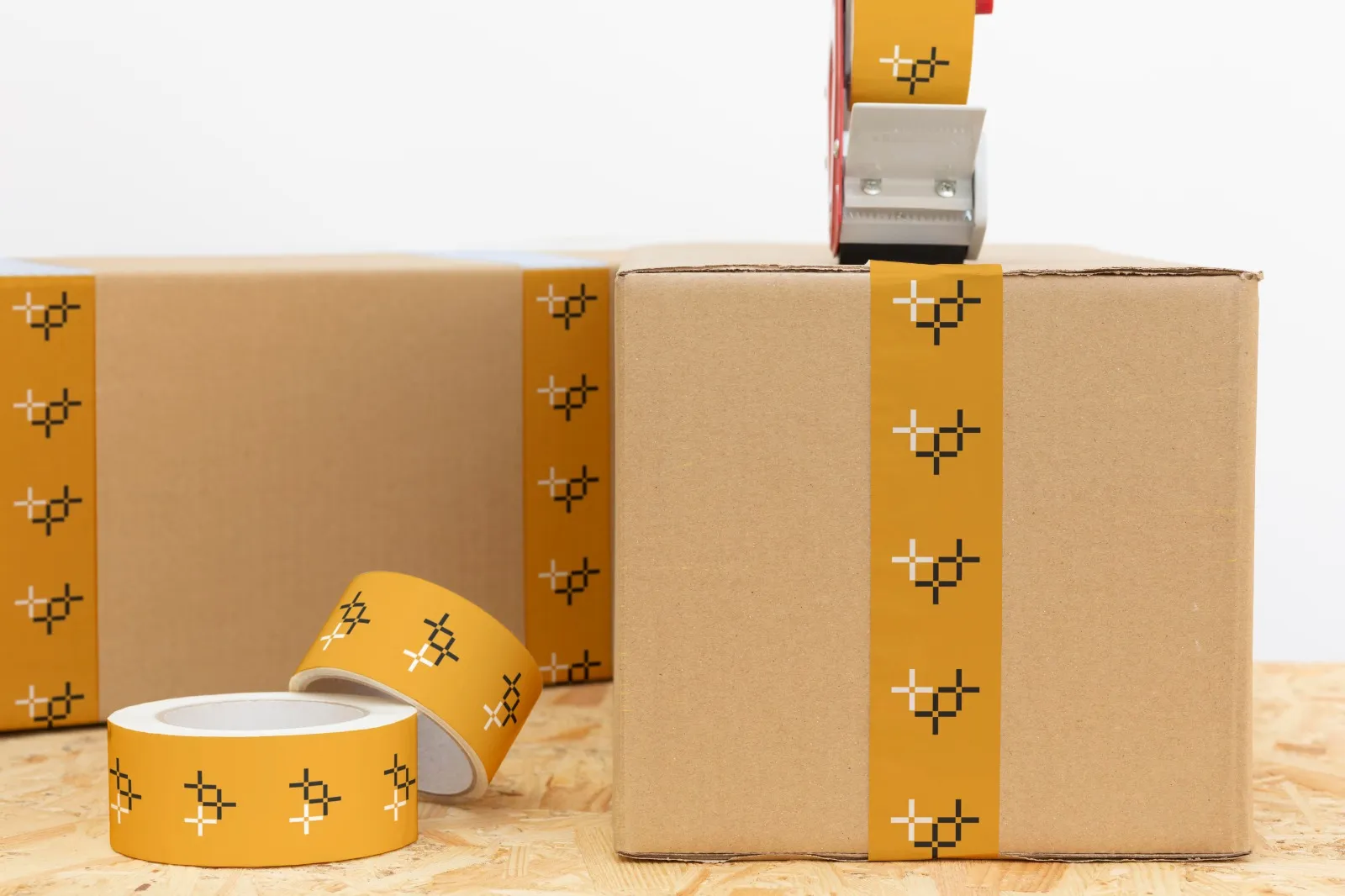
The Wafle mark is formed using three plus shapes, each representing one co-founder. The idea is simple: Wafle exists because three minds, three visions, and three systems come together. The form would not exist if even one plus was removed.
The symbol becomes the story.
The Symbol Psychology. Why the Grid Carries More Than Pattern
In fulfilment infrastructure, structure creates safety. Just as spatial planning guides physical flow, the logic of the mark guides brand perception.
The Wafle symbol reads as a waffle grid elevated into architectural thinking a north star for logistics alignment a modular pattern that scales infinitely
The mark creates operational confidence the same way engineered systems do.
The visual system behind Wafle is built on five elements
Grid logic, derived from warehouse and spatial planning systems Modularity, the pattern extends infinitely node by node Founders, three plus forms for three co-founders united Fulfilment flows, inbound, storage, and outbound at one intersection Direction, a fixed point that aligns people, processes, and movement
These elements create a mark that belongs anywhere fulfilment infrastructure belongs.
The Design Language. The Five Elements of the Mark
recall increased across operators, partners, and logistics stakeholders
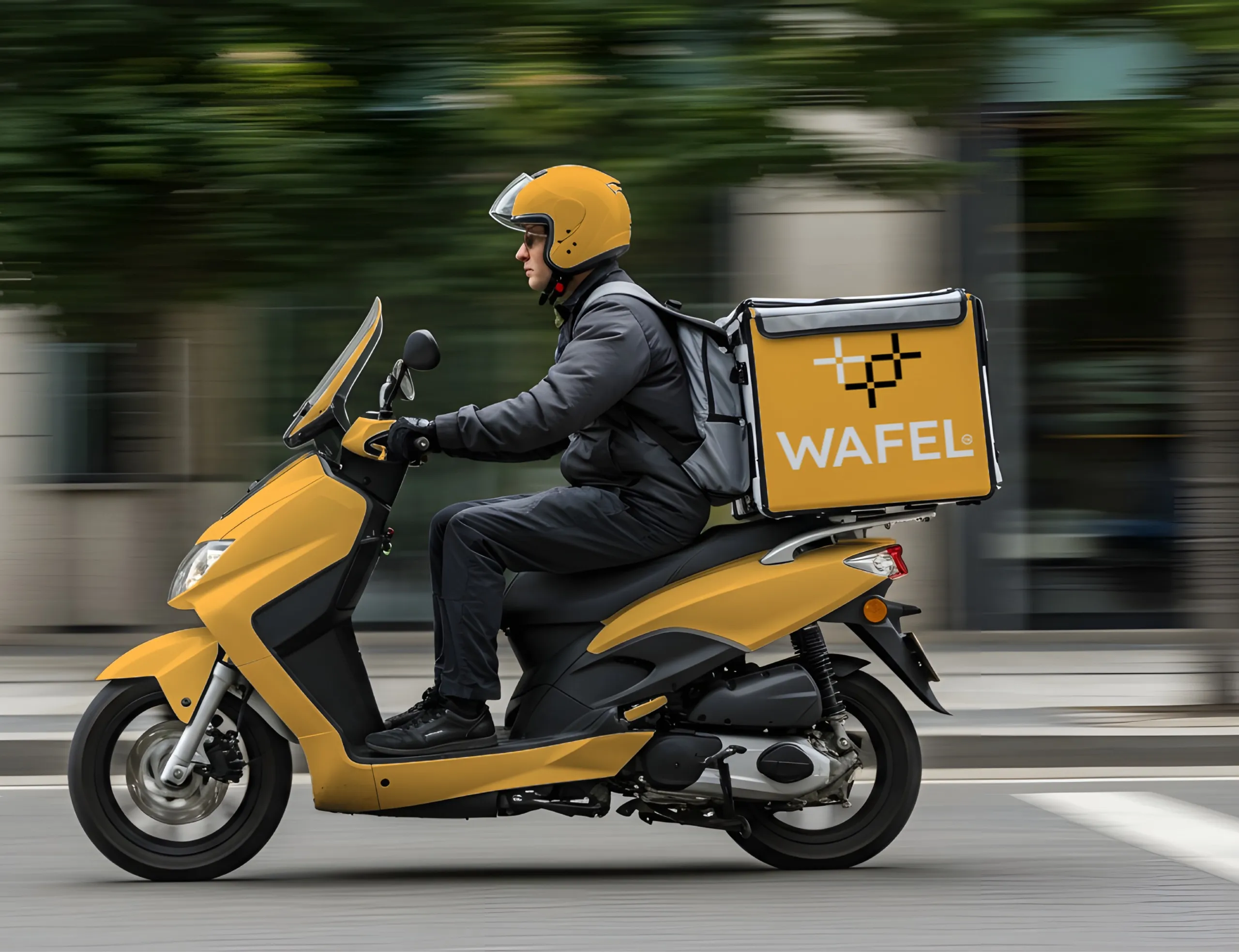
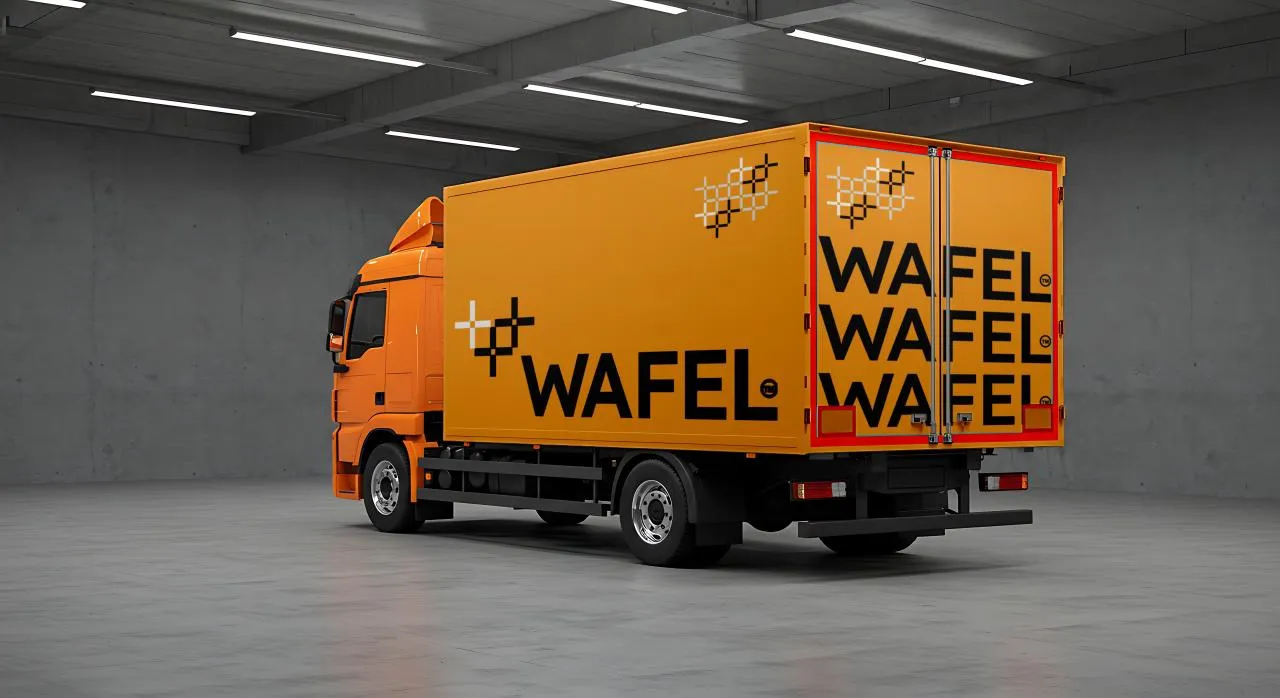
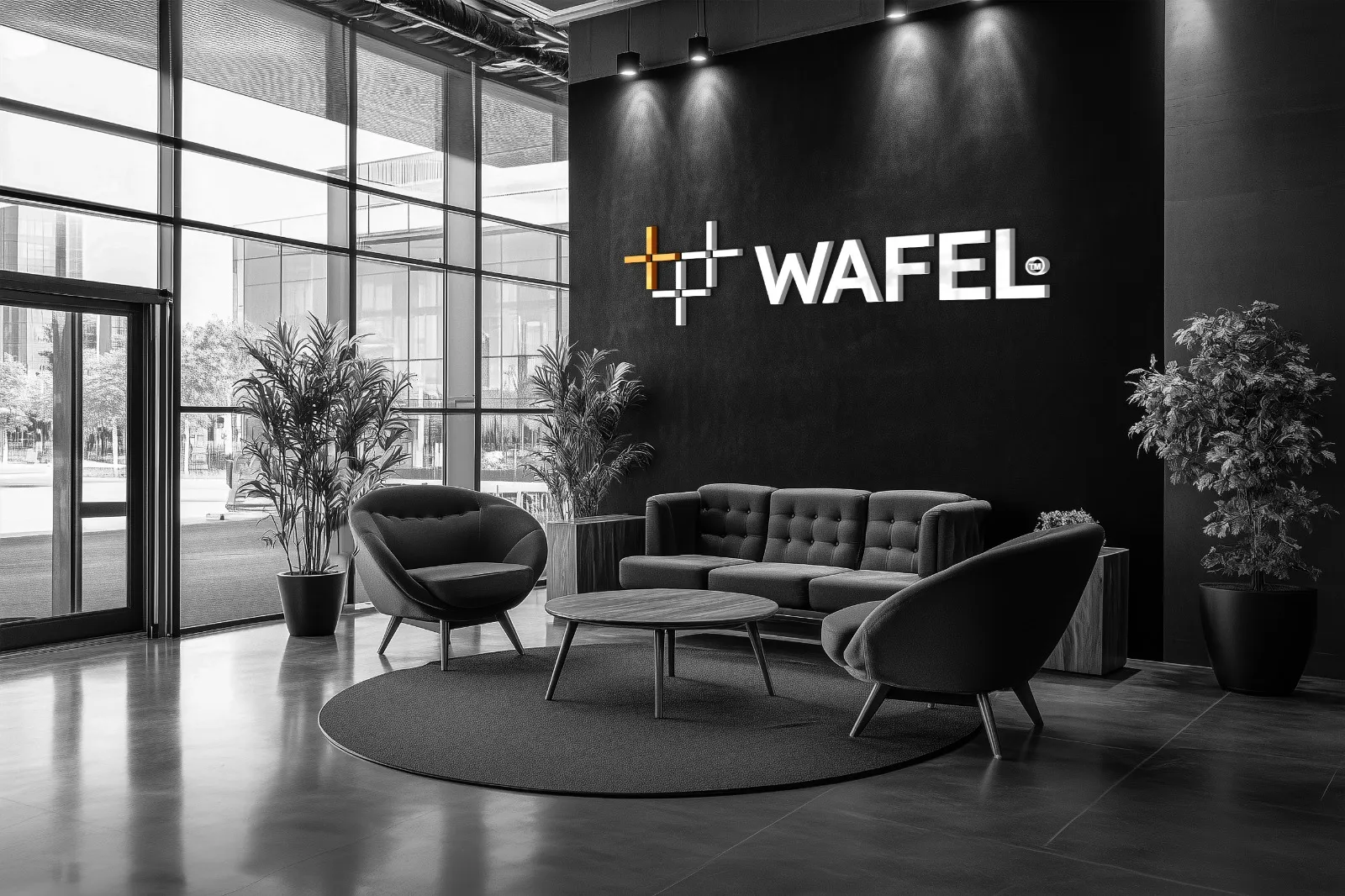
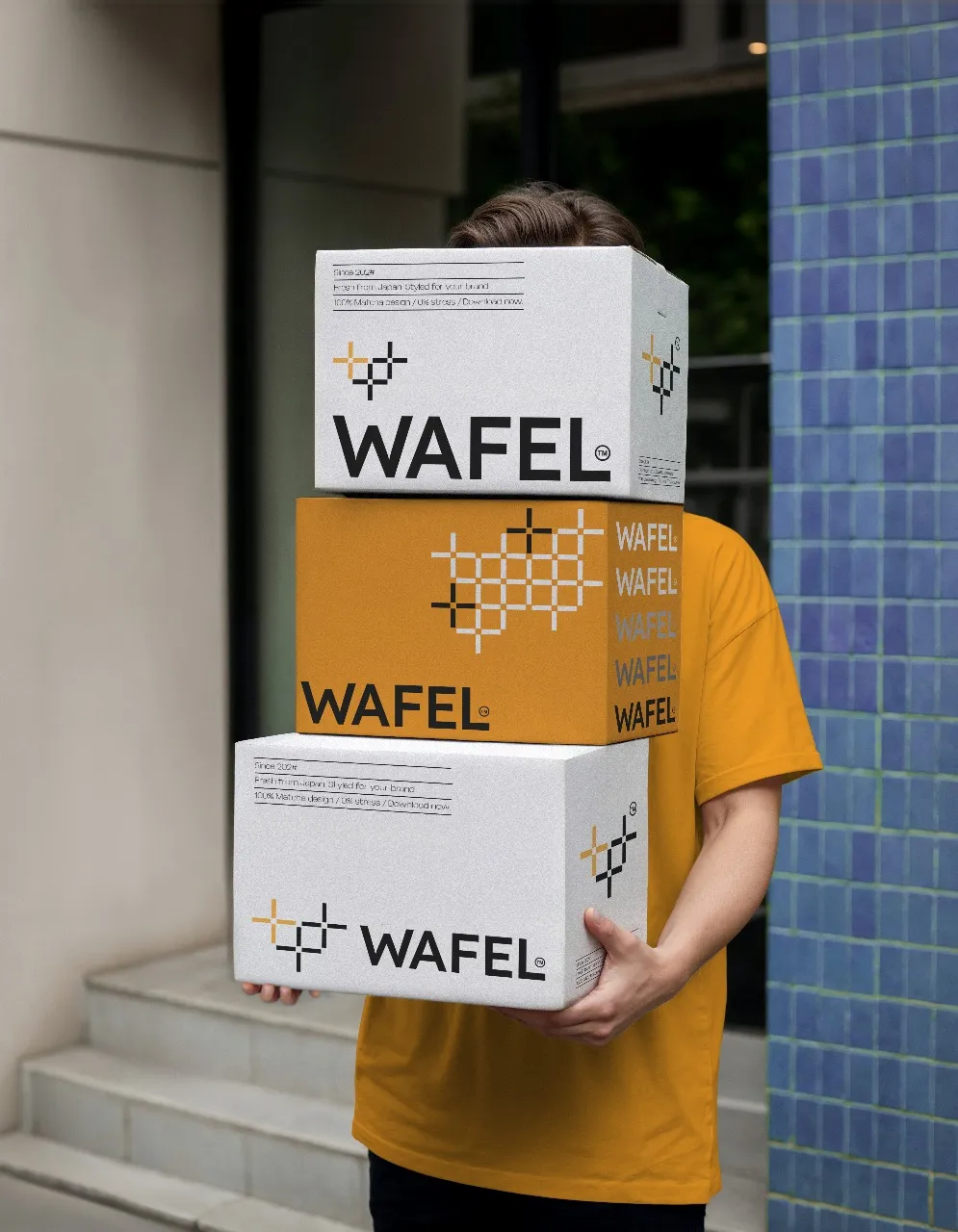
the identity worked seamlessly across physical and digital environments
expansion into new fulfilment nodes felt structurally natural
the mark supported long term brand architecture and modular growth
The identity didn’t just label the brand. It made the brand feel reliable, human, and built to last.
The Tangible Impact. When Identity Redefined Perception
After introducing Wafle, the impact was immediate.
The Achievement. Turning Structure Into Strength
Wafle transformed from a naming direction into a complete operational identity. It redefined what fulfilment infrastructure could look and feel like.
For Beryl, this became a benchmark in design-led operational branding. Proof that structure, when crafted carefully, becomes strategic power.
What This Means for the Future of Fulfilment Branding
Wafle proves that logistics brands do not need loudness or corporate armour. They need precision, humanity, and clarity.
The identity creates space for growth into end-to-end frameworks, multi-node expansion, and regional hubs. A brand built not for a moment, but for a system.
Branding for fulfilment infrastructure requires systems thinking, not surface design. It demands understanding how operators work and how partners decide.
Our approach allowed Wafle to be structured, modern, and emotionally grounded.
What We Delivered
– naming strategy and territory mapping – linguistic and phonetic analysis – symbol design rooted in co-founder and fulfilment logic – visual identity system across digital and physical environments – final name story and mark meaning architecture
Each step ensured the brand was precise, scalable, and timeless.
The Beryl Edge
With fifteen plus years in branding, Beryl understands how to merge psychology, culture, and strategy.
Our approach combines operational insight, structural design thinking, and long term brand vision.
That is why the result was Wafle. A brand that feels like it was engineered to belong.
What We Learned
Fulfilment brands do not want to be dressed up. They want to be understood.
Wafle reminded us that design-led identity is not decoration. It is strength built with intelligence.
FAQs
Why does the Wafle mark use three plus shapes
Because each plus represents one co-founder. The form only exists when all three come together.
How many naming directions were explored
More than one hundred forty naming directions across multiple positioning territories.
What makes Wafle future ready
Its modular identity system allows infinite expansion across nodes, hubs, and categories.
Why does branding matter so much for fulfilment infrastructure
Because trust, clarity, and operational confidence start with how a brand looks and sounds.
What is design-led operational identity
A blend of structural logic, human insight, visual precision, and strategic restraint.