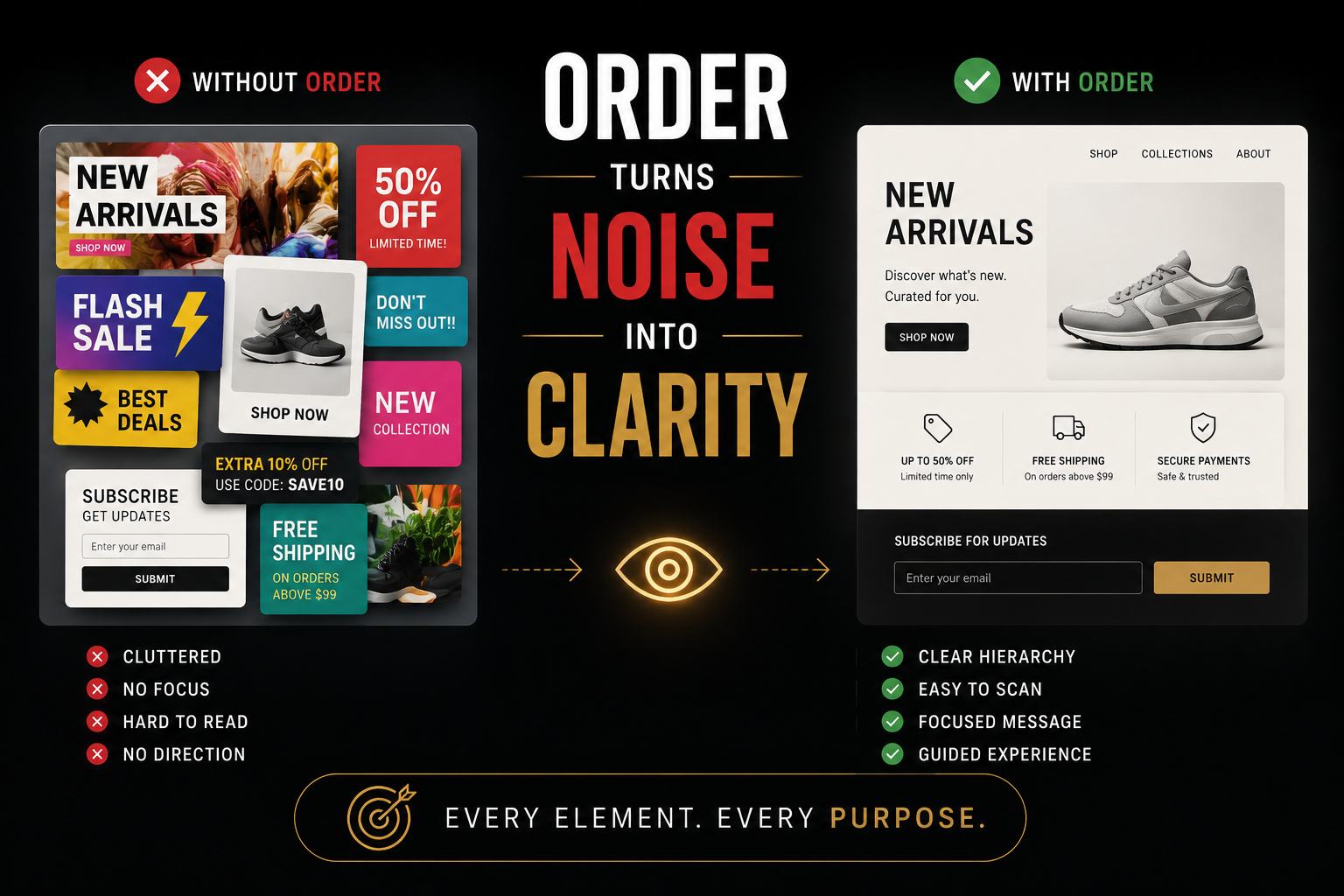
Screens were full, but nothing stood out. Too cluttered. Too flat. Too random. Too hard to read.
The problem was not the content. It was how the design presented it. A visual hierarchy system was created so that every layout could guide the eye with intention and purpose.
The Challenge. To Build a Visual Language That Directs Attention
The brief was clear. A system that works on a billboard. On a mobile screen. In a brochure. In a social post.
It needed to be structured but not rigid. Expressive but not chaotic. Clear but not cold.
A system that does not overwhelm the viewer. A system that leads them, naturally and effortlessly.
The Insight. Why Designs Fail to Communicate
Our research revealed a familiar truth. Audiences stop engaging when a design gives them no entry point.
Visual perception psychology showed
Viewers want direction. Designers want flexibility. A hierarchy system must serve both.
equal sizing makes everything invisible
poor typeface pairing creates visual noise
inconsistent spacing breaks reading rhythm
lack of contrast removes meaning from content
We approached visual hierarchy like system design.
Our strategy revolved around three principles
– Purpose: create a clear visual order that guides the eye through content – Design: ensure typeface choices reinforce the brand’s personality and tone – Tone: structured, intentional, and visually grounded at every scale
The goal was not to make things look beautiful. It was to make things understood.
The Strategy. Designing Order, Not Decoration
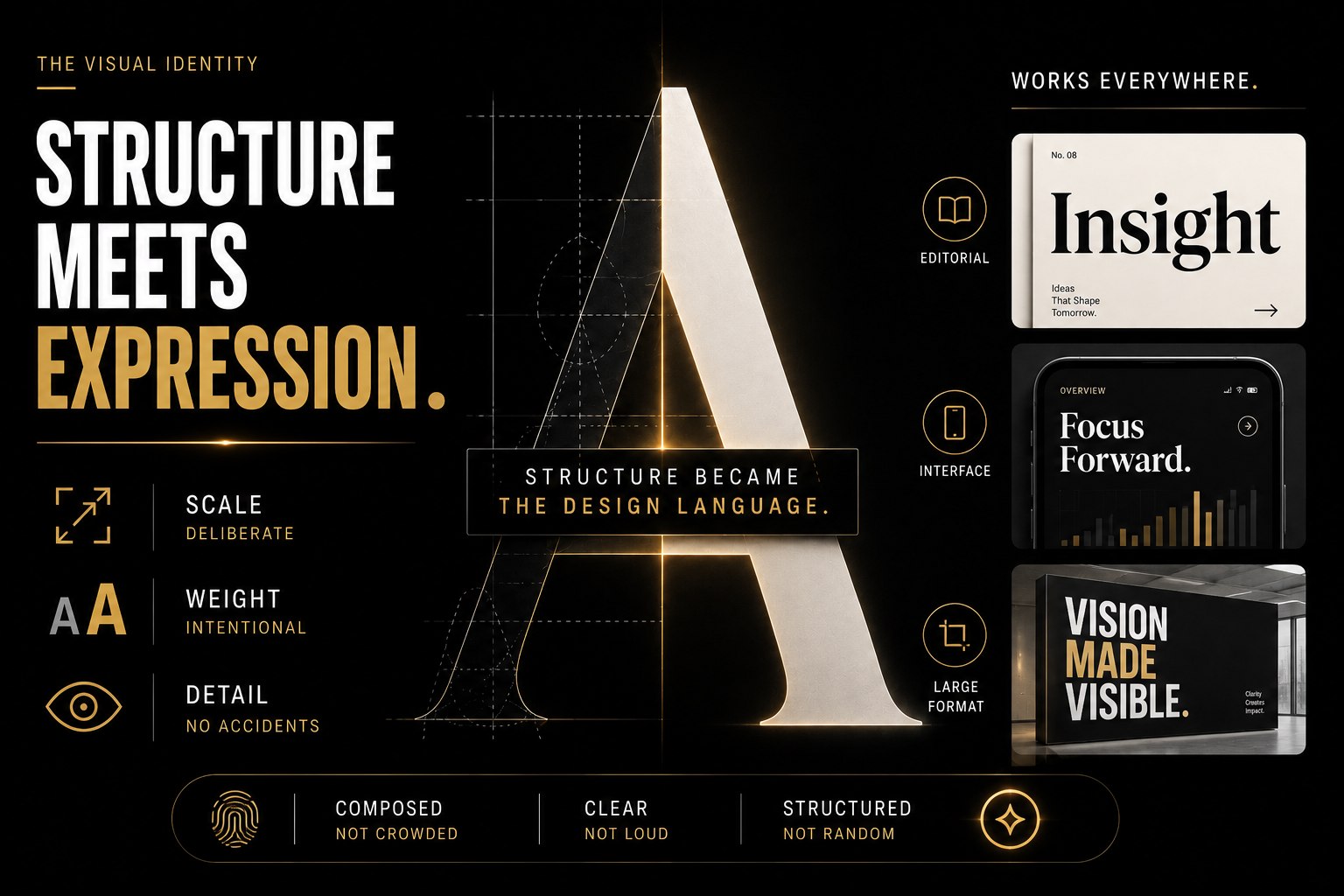
The Visual Identity. Where Structure Meets Expression
Even though this was a systems project, the personality of the typefaces shaped the entire identity.
Deliberate scale contrast. Intentional weight variation. No visual accidents.
The hierarchy system sits comfortably in editorial layouts, app interfaces, and large format print. It behaves like a composed speaker, not a crowded room.
Structure became the design language.
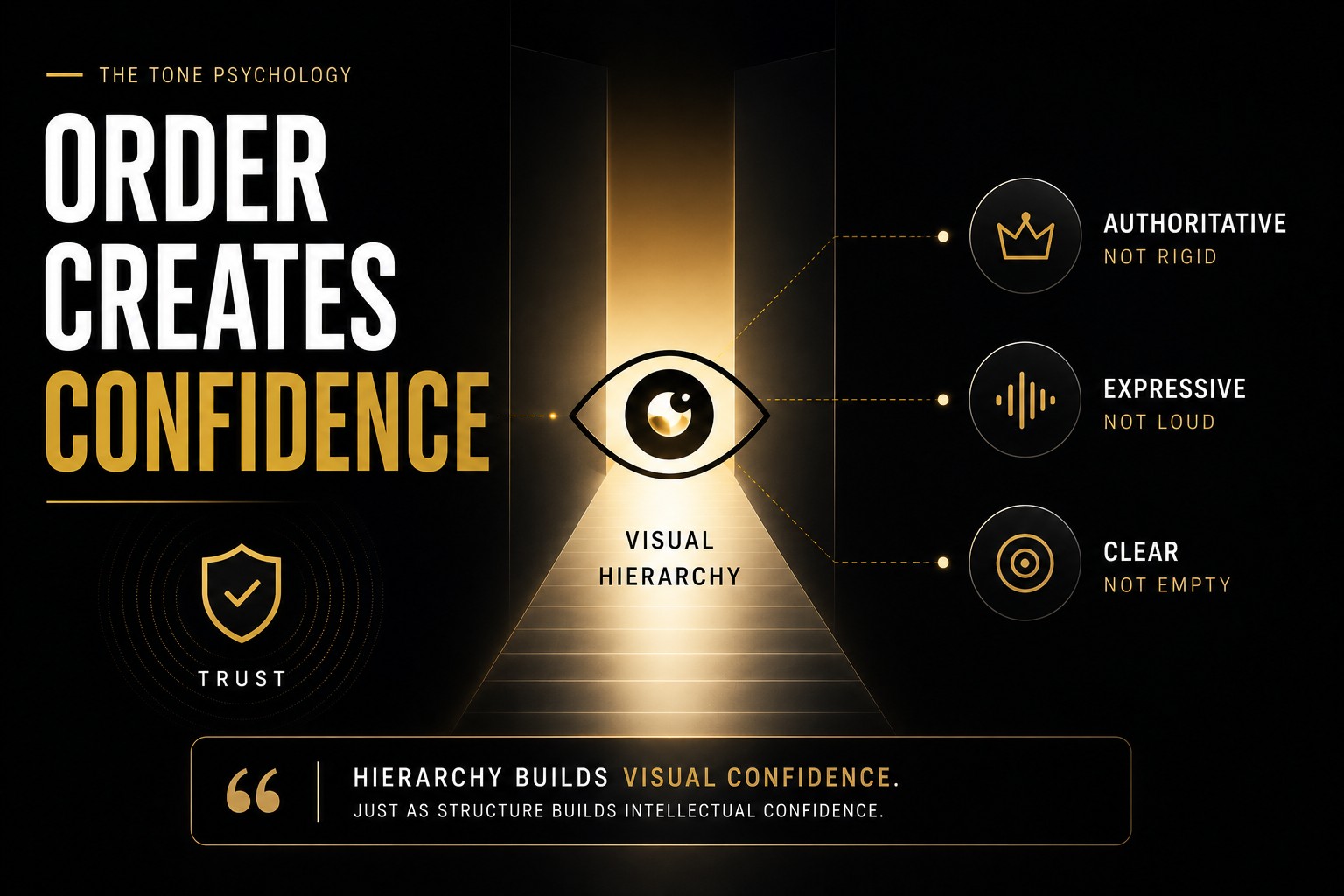
The Tone Psychology. Why Order Creates Confidence
In visual communication, order creates trust. Just as brand voice psychology guides language perception, visual hierarchy guides reading behavior.
The system feels authoritative without being rigid expressive without being loud clear without being minimal to the point of emptiness
The hierarchy creates visual confidence the same way a structured argument creates intellectual confidence.
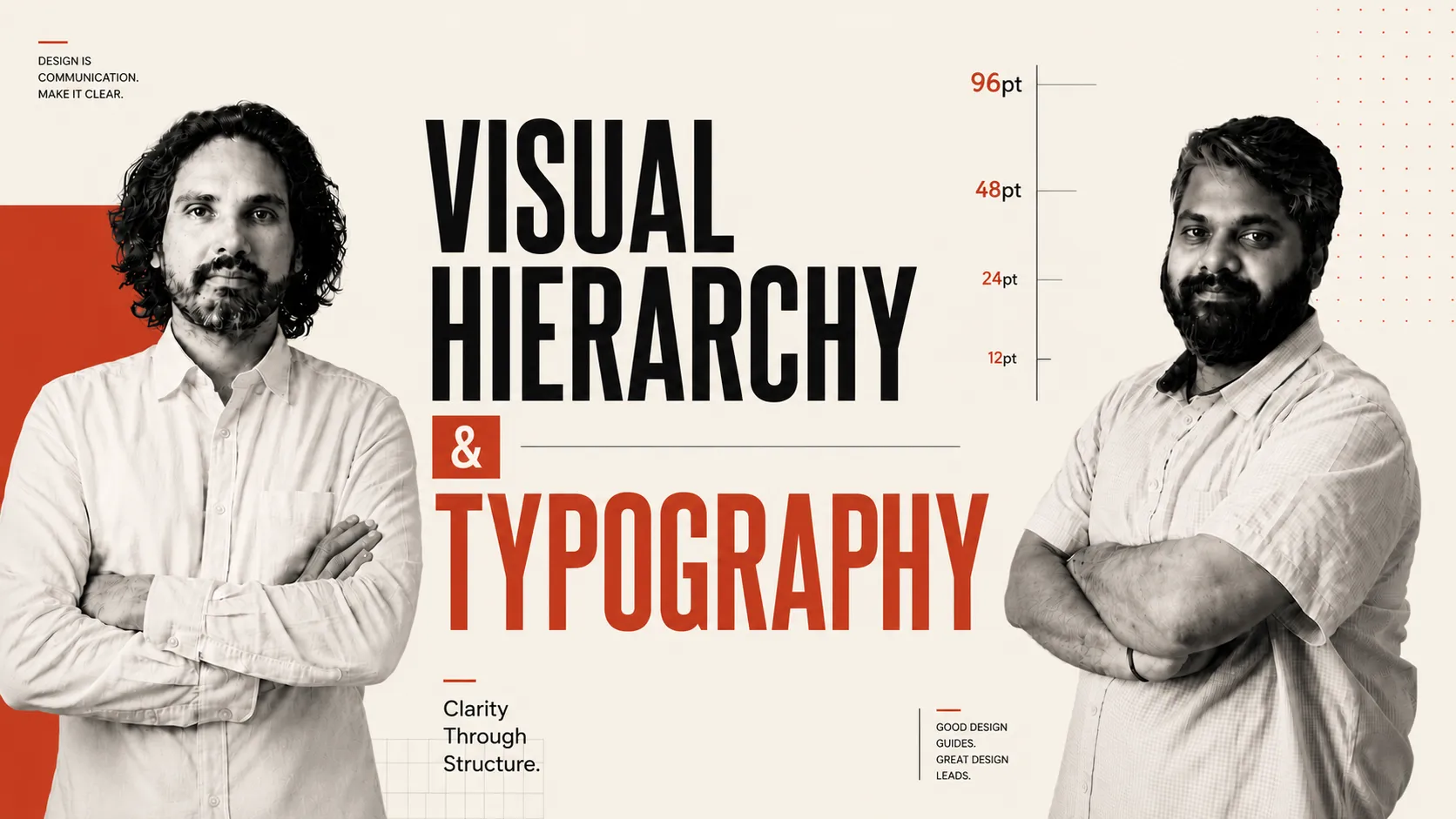
The typographic system is built on five elements
Scale, the size relationships that signal importance Weight, the thickness of type that creates emphasis Contrast, the difference between elements that creates separation Spacing, the white space that gives each element room to breathe Sequence, the path the eye is designed to travel
These elements create a layout that communicates before a single word is read.
The Design Language. The Five Elements of Visual Hierarchy
content comprehension increased across all audience groups
design production time reduced as teams worked within a clear framework
brand consistency improved across digital, print, and environmental touchpoints
the system supported long term design architecture across every format
The system did not just organize layouts. It made the brand feel intentional, intelligent, and in control.
The Tangible Impact. When Visual Order Redefined Perception
After introducing the visual hierarchy and typography system, the impact was immediate.
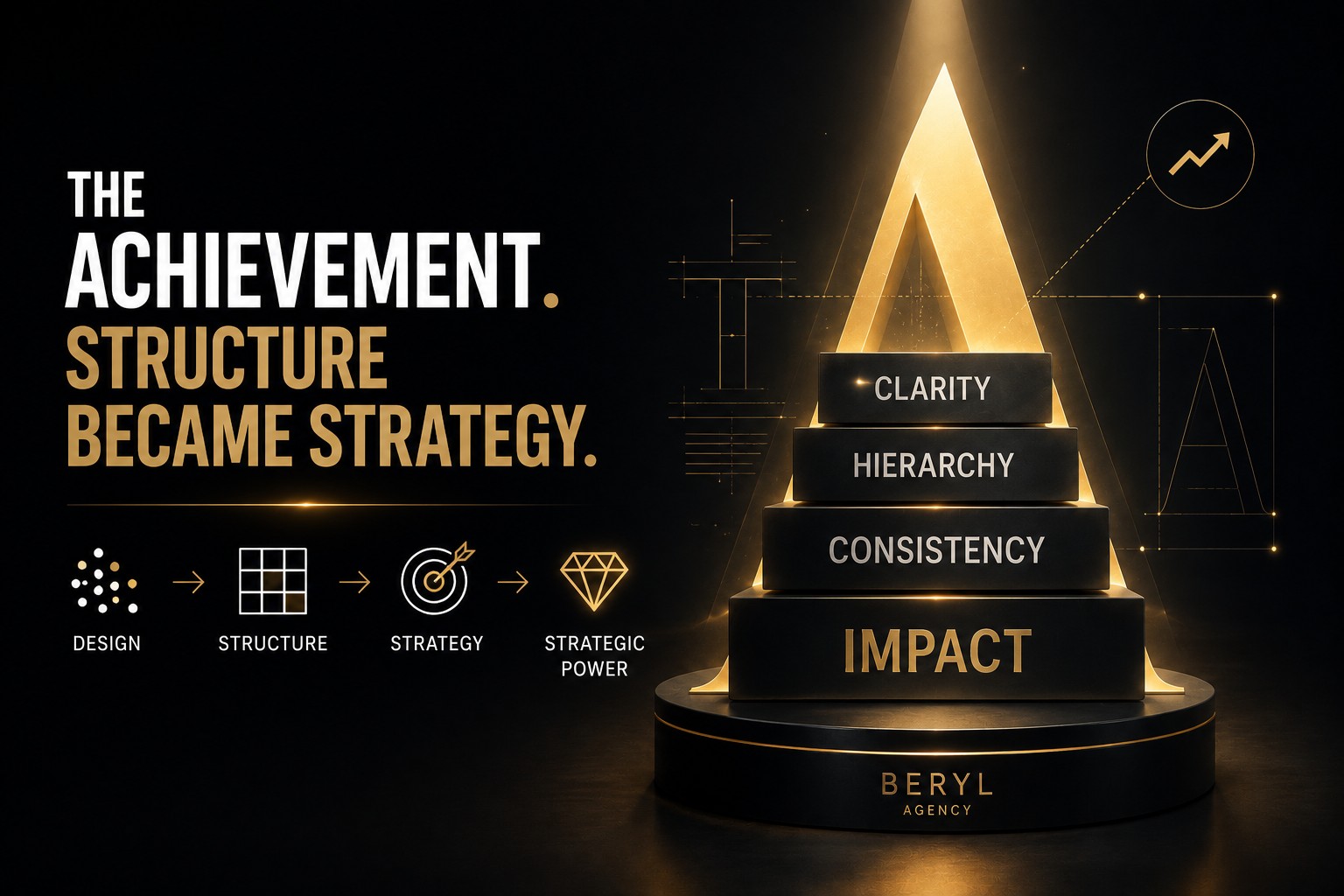
The Achievement. Turning Structure Into Strategy
The visual hierarchy and typography system transformed from a design direction into a universal communication tool. It redefined what purposeful visual language could feel like.
For Beryl, this became a benchmark in typographic and layout systems design. Proof that structure, when crafted carefully, becomes strategic power.
What This Means for the Future of Visual Communication
This work proves that great design does not need complexity or decoration. It needs order, intention, and clarity.
The system creates space for growth into new formats, new platforms, and new audiences. A framework built not for a project, but for a lifetime.
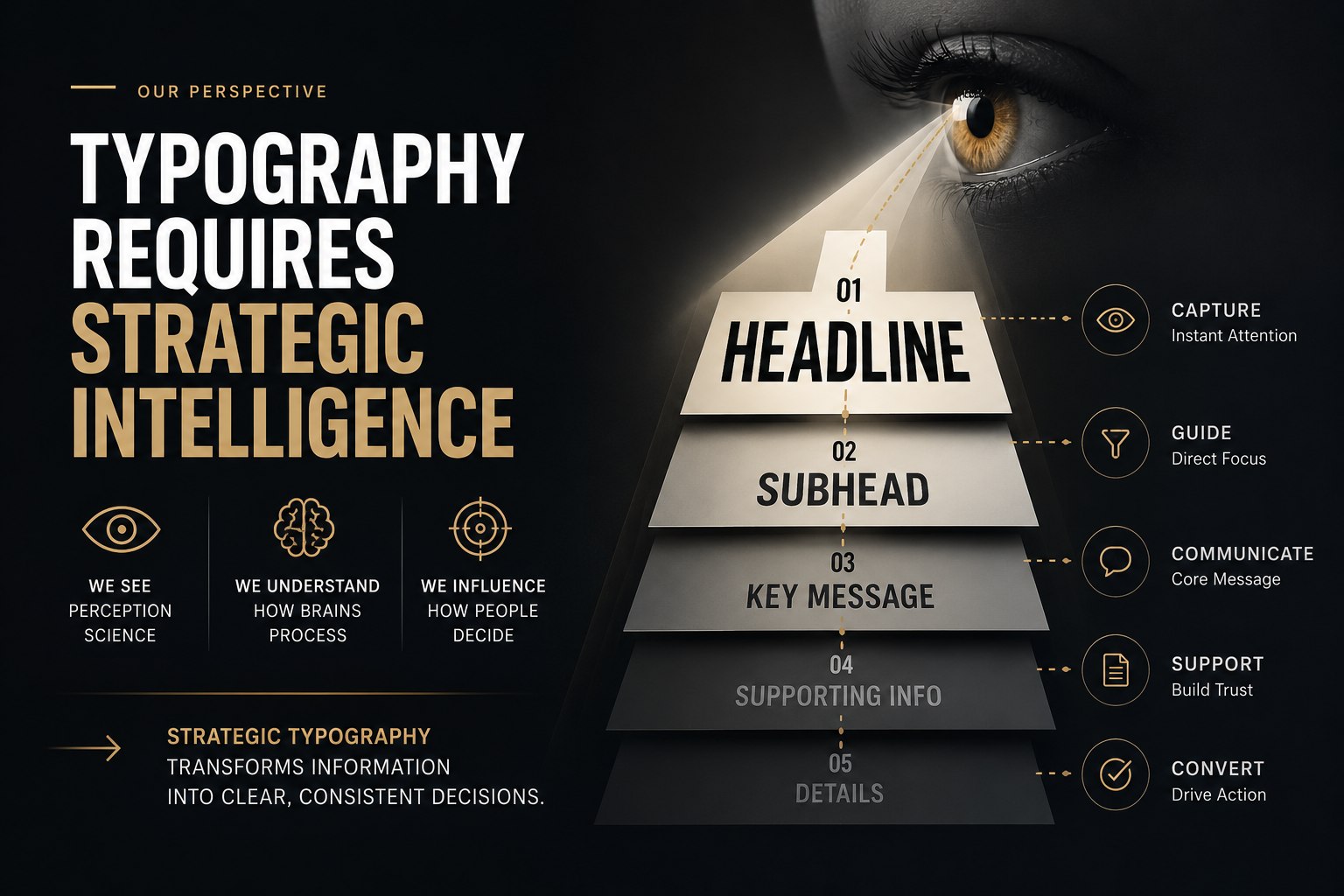
Designing visual hierarchy requires perception science, not aesthetic preference. It demands understanding how eyes move, how brains process, and how people decide.
Our approach allowed the system to be rigorous, scalable, and visually resonant.
What We Delivered
– visual hierarchy strategy and layout mapping – typeface selection and pairing rationale – typographic scale system across all formats – spacing and grid architecture – visual hierarchy guidelines and application rulebook
Each step ensured the system was intentional, scalable, and timeless.
The Beryl Edge
With fifteen plus years in branding, Beryl understands how to merge perception psychology, culture, and strategy.
Our visual systems approach combines design intelligence, typographic structure, and long term brand vision.
That is why the result was a hierarchy system that feels effortless. A visual language that leads.
What We Learned
Audiences do not want to work to understand a design. They want the design to do the work for them.
This project reminded us that visual hierarchy is not decoration. It is direction built with intelligence at the center.
FAQs
What is visual hierarchy in design
It is the deliberate arrangement of visual elements so that the eye moves through content in a specific, intentional order, from the most important to the least.
How many typeface directions were explored
More than ninety typeface combinations were tested across scale, weight, and brand personality before the final system was selected.
What makes a typography system future ready
Its scalability. A strong type system holds visual character while adapting across screen sizes, formats, and cultural contexts.
Why does visual hierarchy matter so much for brand strategy
Because attention, comprehension, and trust start with how a brand organizes information, not just what it says.
What is typographic design in branding
A blend of perception science, aesthetic judgment, functional clarity, and strategic intent applied to every typeface choice a brand makes.