Home Decor Industry

Picture a founder walking into a home store quietly. A customer lifts a lamp, runs their hand over the texture, feels the weight, checks the finish, and imagines it in their living room. The website they visited last night made it easy, the product page told a story, the room setting helped them visualise the piece effortlessly. The brand felt warm, thoughtful, and intentional.
That is the journey we are about to design, front to back.

At Beryl, we help home decor brands design what they are remembered for. From belief system to tactile experiences, every touchpoint is crafted to make your brand feel inviting, premium, and inevitable.

Home decor as a category is booming. Urban homes are becoming experience spaces, design conscious consumers are spending more on furniture, décor objects, and interior accents, and digital discovery now drives more than half of purchase decisions. India’s interior and home goods market is projected to see steady growth powered by younger buyers and apartment living. Read the room, then build for it.

Start with the core story

Choose what you want people to believe when they touch your product, browse your store, or explore your collection online. Warm minimalism, artisanal heritage, contemporary luxury, or functional living. Make that belief system explicit. It will guide naming, colors, textures, room settings, lighting logic, packaging, UI tone, and even the emotions your catalog evokes.

At Beryl, we call this the Brand Belief System. It is the foundation of all branding for the home decor industry. Once defined, it shapes everything that follows, the identity, catalogue design, UI architecture, space visuals, packaging, and retail experience.

Material cues matter. In home decor, texture, lighting, and color influence perceived quality, warmth, comfort, and craftsmanship. This is backed by interior psychology and environmental design principles.

Your website is now the first showroom. Customers study room sets, zoom into materials, compare finishes, and build trust long before stepping into a store. Product pages must tell a spatial story, not just list dimensions.

Beryl’s UI UX team designs these digital showrooms to mimic the warmth and clarity of a retail experience. We simplify product discovery, refine filters, create room setting galleries, refine mobile navigation, and design add to cart journeys that feel intuitive, not transactional.

Then we fix hidden friction. Poor lighting in photos, unclear measurements, lack of scale references, confusing material names, missing installation clarity. These micro refinements directly affect return rates and purchase confidence.

Design the store that never sleeps

Home decor buyers fear two things: mismatch and disappointment. Will this look good in my space? Will it feel as good as it looks online?
Top global brands solved this using visual storytelling, room simulations, material videos, and warmth led content.


At Beryl, we help you identify the trust gap in your category and solve it through clarity, visual truth, and honest product representation.

Build trust as strategy, not retail drama

Branding that defines aesthetic identity

In home decor, branding must feel like personal taste. It should reflect aspiration, comfort, and artistic clarity.

Beryl’s branding team creates taste-led identity systems:

Color logic built around lifestyle emotions and décor palettes

Typography that balances warmth and sophistication

Iconography and grids suited for catalogues and signage

Visual systems that extend elegantly across products, packaging, and retail space

We design branding that becomes a recognizable aesthetic across homes, stores, and digital channels.

Design the moment after purchase

Home decor is often bought for emotion, not utility. Post purchase experience matters. Installation clarity, after sales support, assembly instructions, care guides, and reorder pathways all shape long term brand love.

Beryl designs these after purchase rituals with precision, ensuring customers feel supported and understood.

A mini field guide from Beryl

build your belief system, it guides everything from material choice to photo style.

design digital showrooms that reduce imagination gaps.

use texture, light, and tone to communicate quality instantly.

build packaging that feels premium and protects like engineering.

localize for Indian homes, lifestyle patterns, and apartment space constraints.

Do this, not that

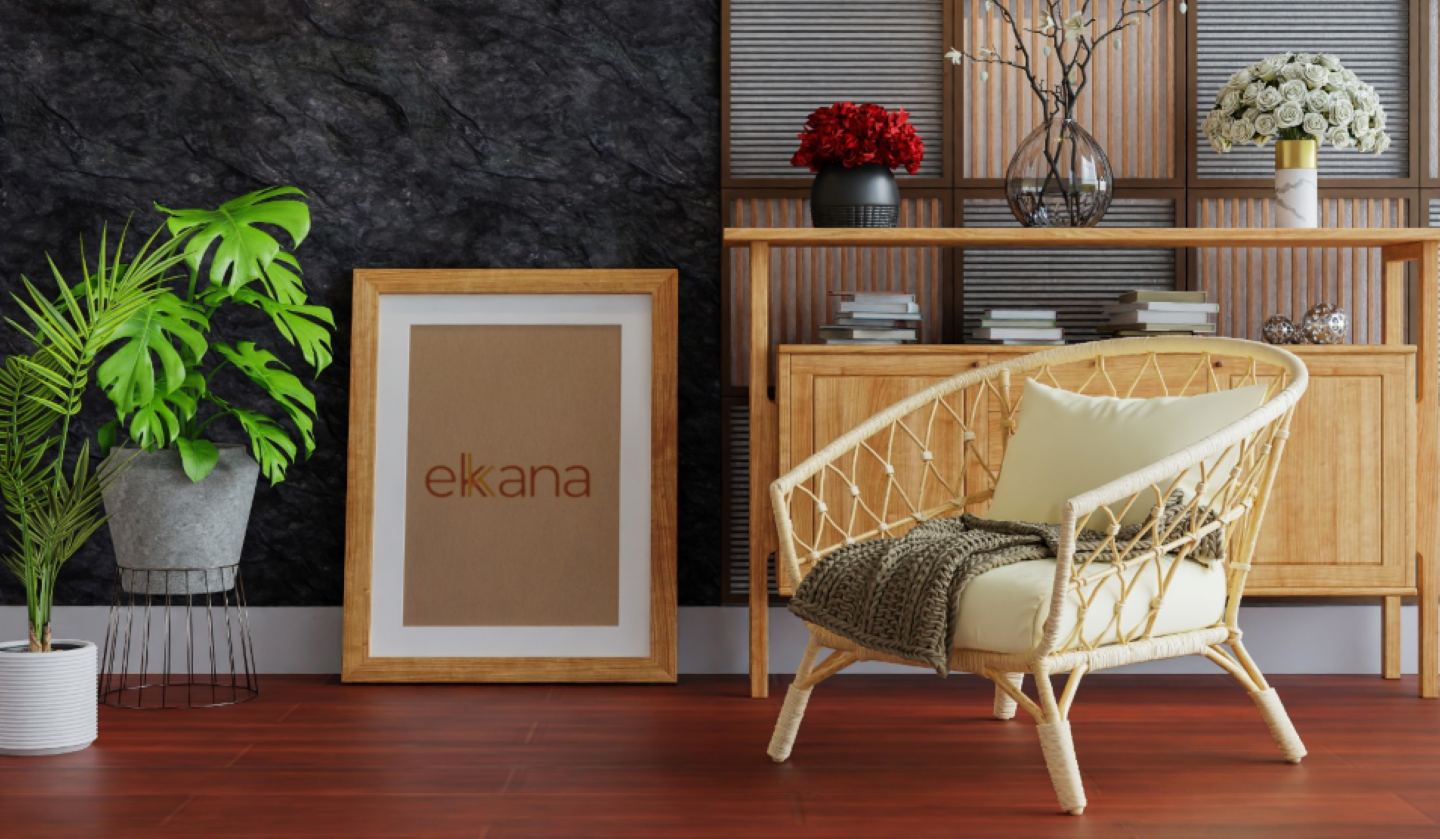
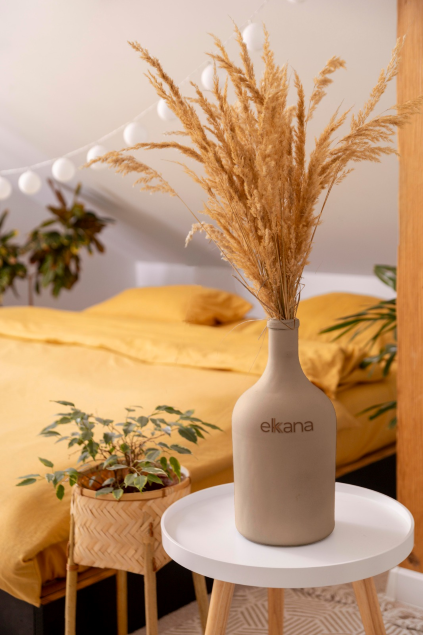
Ekkana

Branding for their home decor range, crafting a visual identity built on modern craftsmanship, warm elegance, and everyday living.

Prominent case studies

Case slices that prove the point

At Beryl, we study these successes not to copy, but to decode why they worked and apply that logic to home decor brands aiming for national and global scale.

Beryl’s interdisciplinary team, brand strategists, UI designers, industrial designers, and space designers, brings these psychological insights into real, measurable design impact.

The psychology that shapes home decor design

Your next three moves

Define your belief system so your entire product and visual ecosystem aligns.

Build an intuitive UI UX system that reduces imagination and measurement gaps.

Design your packaging, retail visuals, and product representation with material clarity.

At Beryl, we partner with home decor brands that want to feel inevitable in the homes they enter.

FAQs home decor founders often ask

what should our website focus on first

Room sets, scale clarity, and visual truth.

Very. It is the first physical touchpoint and sets quality expectations.

Both together. Decor is a spatial product.

Improve scale clarity, texture representation, and installation guidance.

If you are building the next leader in home decor

berylagency
berylagency
berylagency

© 2025 – 2026 | alrights reserved by berylagency