
Stop selling jobs.
Build a brand people trust their careers with.
For growing companies where employer brand, internal clarity, and design systems influence hiring quality and attrition.
TALENT ACQUISITION AND RETENTION
Why the best people choose some companies, and stay longer in them
When Rohan hired his first twenty employees, talent was never the problem. People joined quickly. Energy was high. Everyone believed in the story. But as the company grew past fifty, something changed. Hiring slowed. Attrition increased. Senior talent hesitated. Exit conversations became frequent, polite, and vague.
Nothing dramatic was broken. Yet something was clearly misaligned.
Rohan was still telling the same story. But the people listening had changed.
This is the moment when talent acquisition stops being an HR function and starts becoming a brand problem.

WHEN HIRING GETS HARDER, NOT BECAUSE OF SALARY

Most companies assume talent leaves for better pay. In reality, most high quality talent leaves because of uncertainty. Unclear direction. Inconsistent communication. A culture that feels reactive instead of intentional.

Candidates judge this long before joining. They judge it from the website. From the product experience. From how leadership communicates. From whether the brand feels stable, purposeful, and well thought through.

Retention is decided even earlier. On whether the company feels like it is going somewhere clear, or improvising its way forward. Beryl has seen this pattern repeat across startups, MSMEs, and growth stage companies. The talent problem appears on the surface. The root cause sits deeper, in brand and experience.
WHEN BRANDING BECOMES AN EMPLOYER SIGNAL
Strong employer brands are rarely loud. They are consistent.
Employees do not stay because a company claims culture. They stay because the company behaves predictably. The brand tells them what matters. The UI UX tells them how decisions are made. Communication tells them whether leadership is in control.
Beryl approaches talent acquisition and retention by treating brand as an internal contract. A promise made not in words, but in structure.
Narrative clarity helps people understand where the company is going. Visual consistency reduces chaos. Thoughtful UI UX signals respect for time, process, and intelligence. Together, these elements create a workplace that feels dependable.
Dependability, more than perks, retains talent.
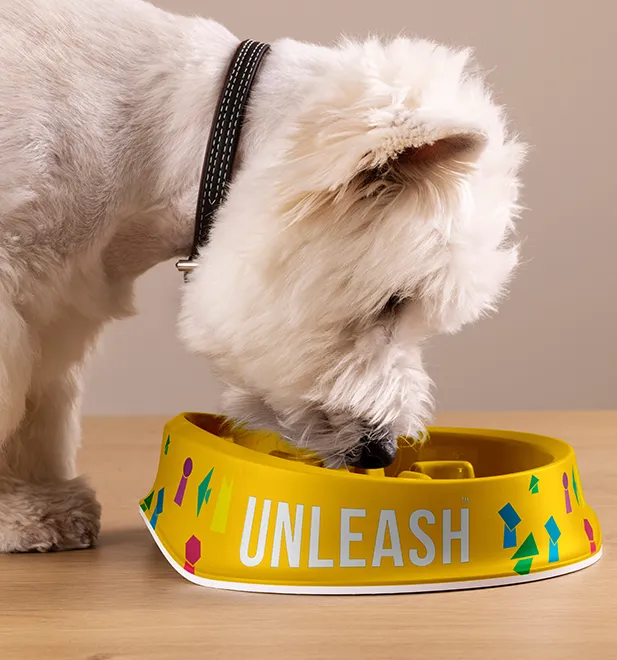
As Innari scaled, hiring was no longer about filling roles. It was about attracting people who could grow with the business. The challenge was not interest. The challenge was alignment.
Candidates were joining with one expectation and encountering another. The brand that felt confident externally did not yet reflect the internal direction clearly enough.
Beryl worked with Innari to align employer perception with organisational reality. The brand narrative was refined to articulate long term vision, not just current momentum. Communication systems were structured so leadership intent travelled consistently across teams. Digital touchpoints were redesigned to feel intentional, not improvised.
Over time, the quality of applicants improved. Conversations shifted from compensation to contribution. Attrition slowed because people understood what they were committing to.
The brand stopped selling excitement.
It started signalling stability.
Innari
WHEN GROWTH DEMANDED STRONGER CULTURE SIGNALS
In regulated, high responsibility industries, talent evaluates risk differently. For OONA, hiring and retention were closely tied to how much confidence employees felt in leadership and systems.
Beryl’s work on brand and UI UX had an internal impact beyond fundraising and expansion. The same clarity that reassured investors also reassured teams. Structured communication reduced ambiguity. Predictable design systems reflected operational discipline. Employees felt part of a company that was thinking long term.
This alignment reduced internal anxiety during growth phases. People stayed because the company felt controlled, not chaotic. Retention became a byproduct of clarity, not enforcement.
OONA Insurance
WHEN RETENTION DEPENDED ON TRUST, NOT INCENTIVES
WHY UI UX MATTERS FOR TALENT MORE THAN MOST REALISE
Employees interact with systems every day. Internal tools, dashboards, workflows, products. Poor UI UX communicates disregard. Thoughtful UI UX communicates respect.
When systems are clear, people feel supported. When experiences are intuitive, people feel trusted. Over time, this shapes how employees perceive leadership quality and organisational maturity.
Companies that invest in UI UX are not just improving usability. They are improving morale.
THE SAME PATTERN, ACROSS DIFFERENT TEAMS
Across sectors, the pattern holds. Companies that struggle with retention often have fragmented brand and experience. Companies that retain well tend to have clarity, consistency, and a visible sense of direction.
With Innari, employer alignment reduced attrition. With OONA, clarity supported both trust and retention. Different contexts, same principle. People stay where things make sense.
WHY BERYL IS INVOLVED IN TALENT MOMENTS
Beryl is brought in when leadership realises that hiring problems cannot be solved by recruiters alone. When retention issues signal deeper misalignment. When the company has outgrown its original story.
We work with founders and leadership teams to rebuild the internal and external brand as one system. Narrative, identity, UI UX, and communication are aligned so that talent understands not just what the company does, but where it is going.
At this stage, branding is not about attraction.
It is about commitment.
The best people do not look for perfect companies. They look for clear ones. Clarity builds trust. Trust builds loyalty. Loyalty builds teams that last.
Talent acquisition and retention improve not when companies shout louder, but when they communicate better. That is what branding and UI UX, done right, make possible.
CLOSING
FREQUENTLY ASKED QUESTIONS
Why does branding matter for talent acquisition
Talented candidates evaluate companies the same way investors do. They look for clarity, stability, and long term intent. Branding shapes first impressions before interviews happen. A strong brand signals seriousness and direction, which attracts higher quality candidates and reduces early dropouts in the hiring funnel.
How does branding impact employee retention
People stay longer when they understand what they are part of. Clear brand narrative and consistent experience reduce uncertainty and internal friction. When employees feel the company knows where it is going, they are more willing to grow with it rather than look outside.
Is employer branding different from corporate branding
Employer branding is not separate. It is a consequence of corporate branding. When the external brand is clear, mature, and consistent, the internal experience aligns naturally. Artificial employer branding campaigns fail when the core brand is weak or confused.
What role does UI UX play in retention
UI UX communicates how much a company respects time, structure, and intelligence. Poor experiences create daily frustration that accumulates into disengagement. Thoughtful UI UX makes employees feel supported and confident, which directly impacts morale and long term commitment.
Can branding really reduce attrition
Yes, but not by itself. Branding reduces attrition by removing uncertainty and misalignment. When expectations are clear and consistently reinforced, fewer people leave due to disappointment or confusion. Attrition drops because the wrong hires are filtered out early.
Is this relevant only for startups
No. Growth stage companies and MSMEs often face bigger retention challenges because systems lag behind scale. Branding becomes critical when informal culture breaks down and needs structure. Larger organisations use branding as a stabilising force during growth.
Does Beryl work with HR teams directly
Beryl works primarily with founders and leadership, and collaborates closely with HR teams. Talent challenges are rarely isolated HR problems. They reflect leadership intent, communication gaps, and experience design issues that require cross functional alignment.
How long does it take to see impact on hiring and retention
Hiring quality often improves within a few months as brand signals become clearer. Retention impact is gradual but more durable, typically visible over two to three quarters as expectations stabilise and internal confidence improves.
Can branding help with senior leadership hiring
Yes. Senior leaders evaluate vision, maturity, and governance more than compensation. A strong brand narrative and clear experience reassure them that the company is serious and future focused. This significantly improves leadership hiring outcomes.
What is the biggest mistake companies make with employer branding
Treating it as a campaign instead of a system. When branding is cosmetic and disconnected from reality, it creates mistrust internally and externally. The most effective employer brands are quiet, consistent, and deeply aligned with how the company actually operates.
if you want better talent, brand perception decides outcomes.