entered a market where motivation is not the problem. Drop off is. People join gyms with intent, then life interrupts, consistency breaks, and the membership becomes guilt.
India’s fitness market is projected to double by 2030, with gym memberships expected to grow from 12.3 million in 2024 to 23.2 million by 2030, yet penetration is still around 0.8 percent. Scale is coming, but retention remains the real battle.
FitZone needed more than a gym identity. It needed a system that makes consistency feel achievable, measurable, and rewarding.
That is what we designed. Branding plus product experience, built around targets, feedback, and gamified momentum.
Fitness is booming, but most gyms still operate like access businesses. You pay, you enter, you hope you stay consistent.
The opportunity was bigger. Build a fitness system that makes progress visible, not vague.
FitZone was a new brand, built from scratch. The brief was not to look premium. The brief was to build a system people can follow.
We had to design for
– goal clarity
– habit building
– motivation cycles
– scalability across locations
– multi language readiness
for India, starting South
People do not fail because they do not care. They fail because they cannot see progress early.
Habit research shows automaticity can take about 66 days on average, with wide variation. That means the early weeks need structure and reinforcement, not just willpower.
We positioned FitZone as a target based fitness system, not a gym.
The strategy was built on three pillars
– Purpose. A healthy, structured way to achieve goals
– Design. A system that reduces drop off friction
– Motivation. Gamification that rewards consistency, not extreme intensity
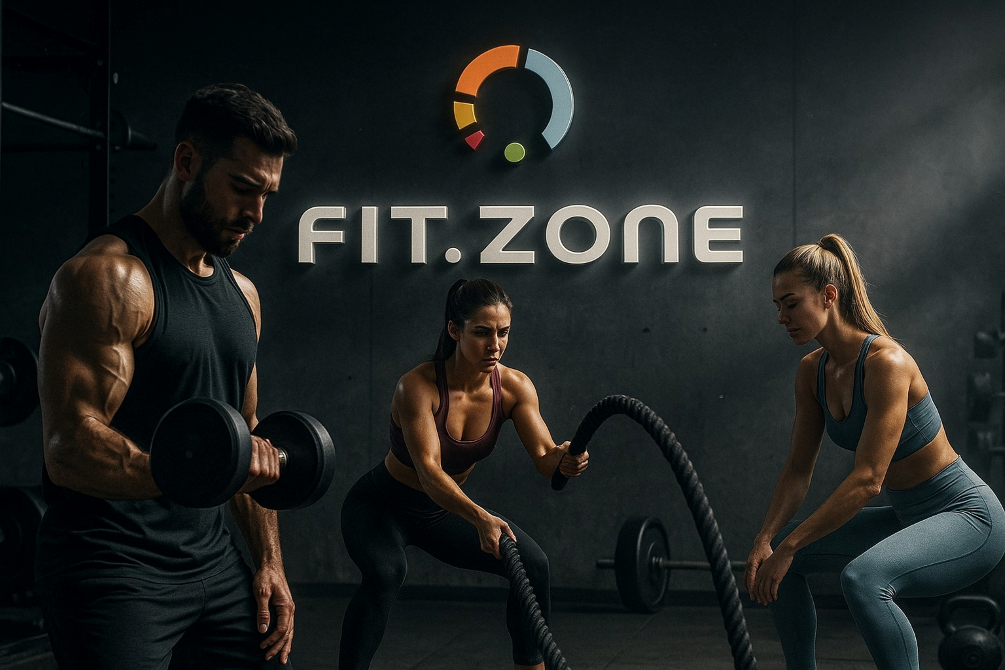
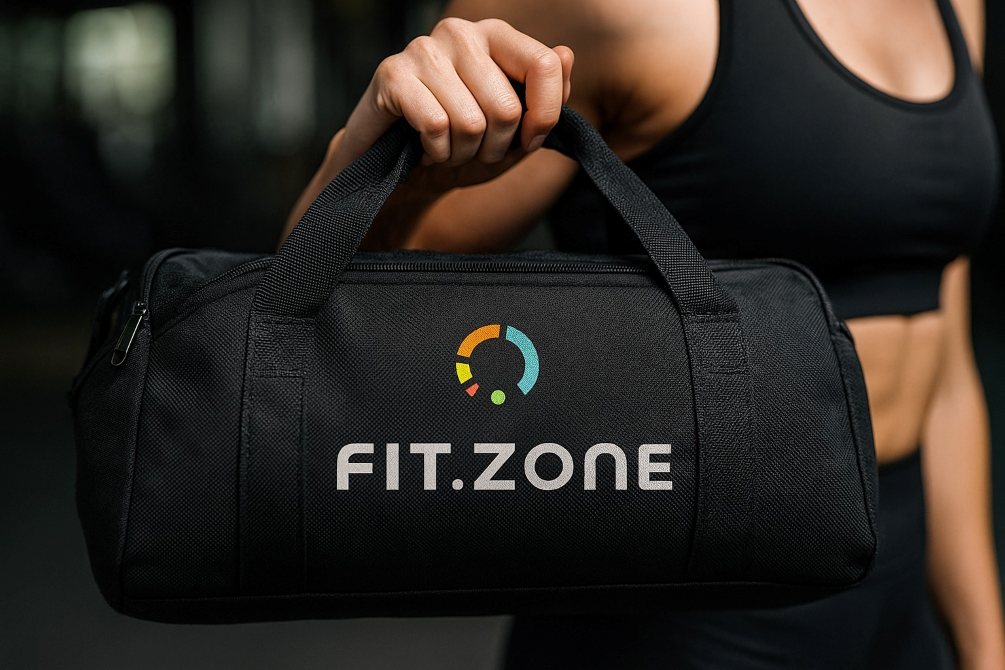
We created FitZone’s branding from scratch
– logo system
– typography selection
– color system
– brand rules for consistent execution
The identity needed to feel energetic, but disciplined. Modern, but not intimidating. Because the promise was structure, not hype.
The core experience was designed around targets
– daily targets
– weekly targets
– monthly targets
And an incentive loop
– points earned for consistency
– rewards redeemable through brand partnerships and associations
This is not gimmick design. Research across randomized trials shows gamification can improve physical activity, with a systematic review and meta analysis reporting a small to medium overall effect on physical activity behavior.
Gamification works when it satisfies basic psychological needs like competence, autonomy, and relatedness, which are central to self determination theory.
FitZone’s system was designed to support those needs
– competence through achievable targets and visible progress
– autonomy through personalized goal paths
– relatedness through shared milestones and community cues when needed

In a large randomized clinical trial, gamification interventions designed with points and levels increased daily steps by about 500 to 600 steps compared to control, when structured around support or competition.

That insight shaped the FitZone approach. Reward the behavior that sustains fitness, not just the outcome.
We designed the UI UX for both the app and the website.
The experience was built to reduce cognitive load
– goal selection that feels guided, not overwhelming
– progress visibility that keeps motivation alive
– rewards logic that is simple to understand and hard to ignore
– clean hierarchy so users always know what to do next
FitZone was planned for multiple locations across India, starting South.
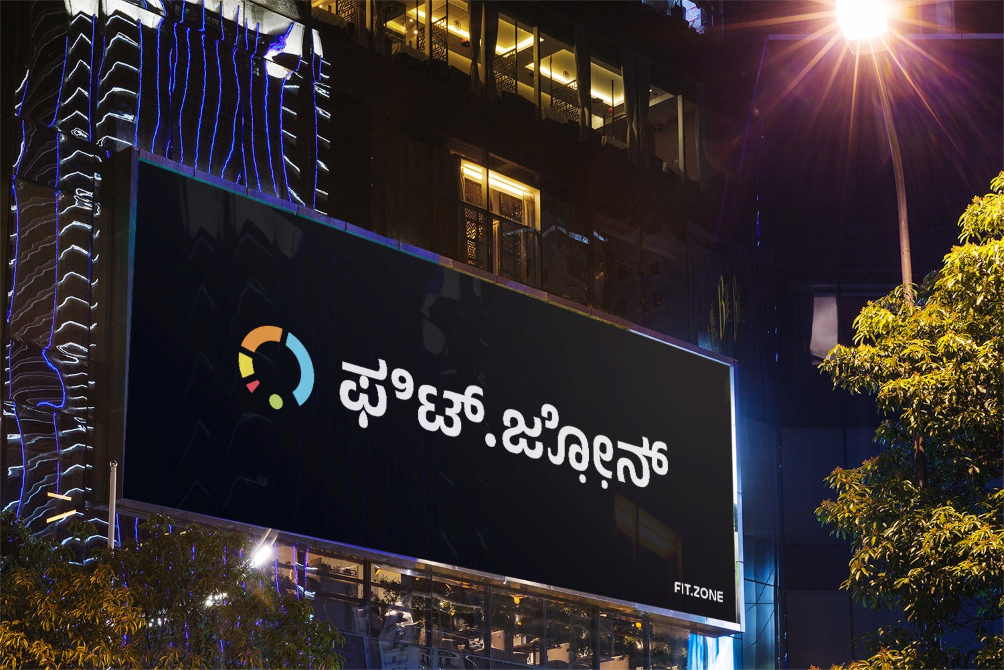
So we designed with vernacular readiness in mind
– English
– Hindi
– South regional language support pathways
This ensured the brand could scale without losing clarity or cultural comfort.
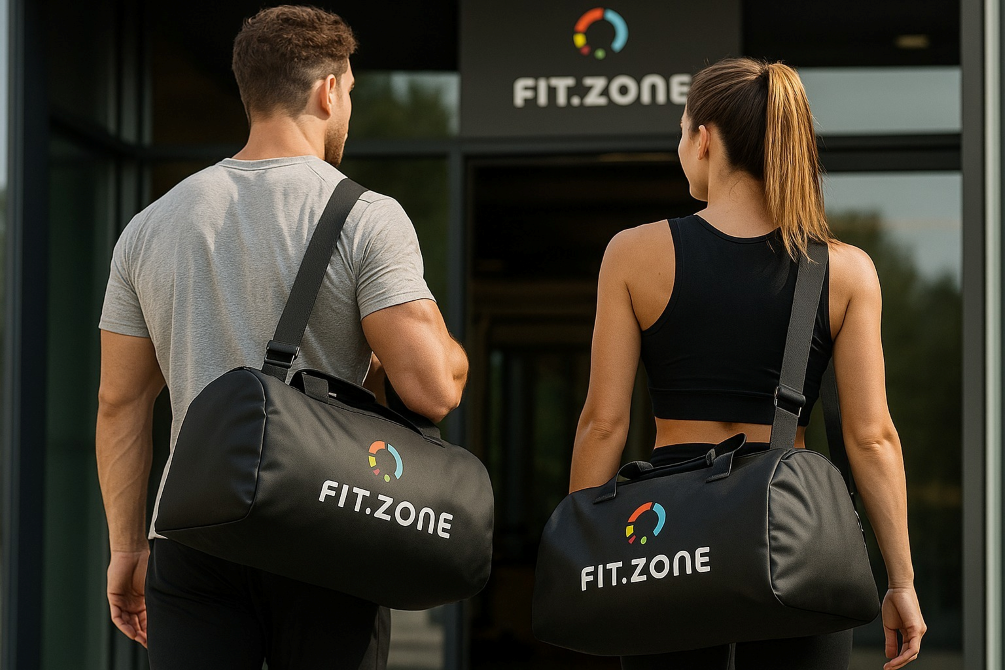
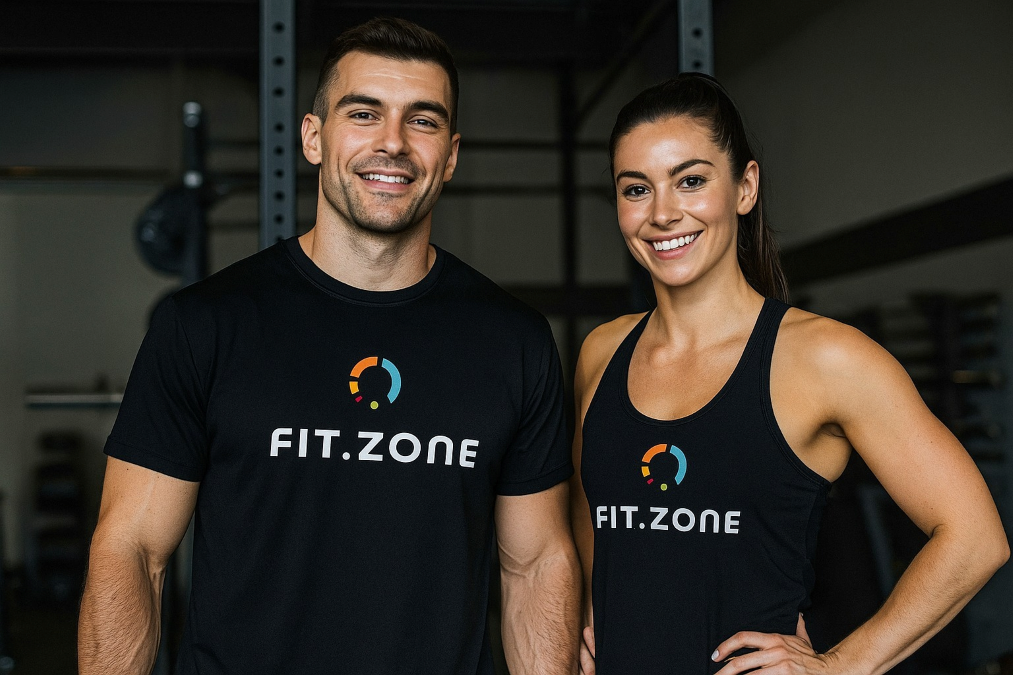
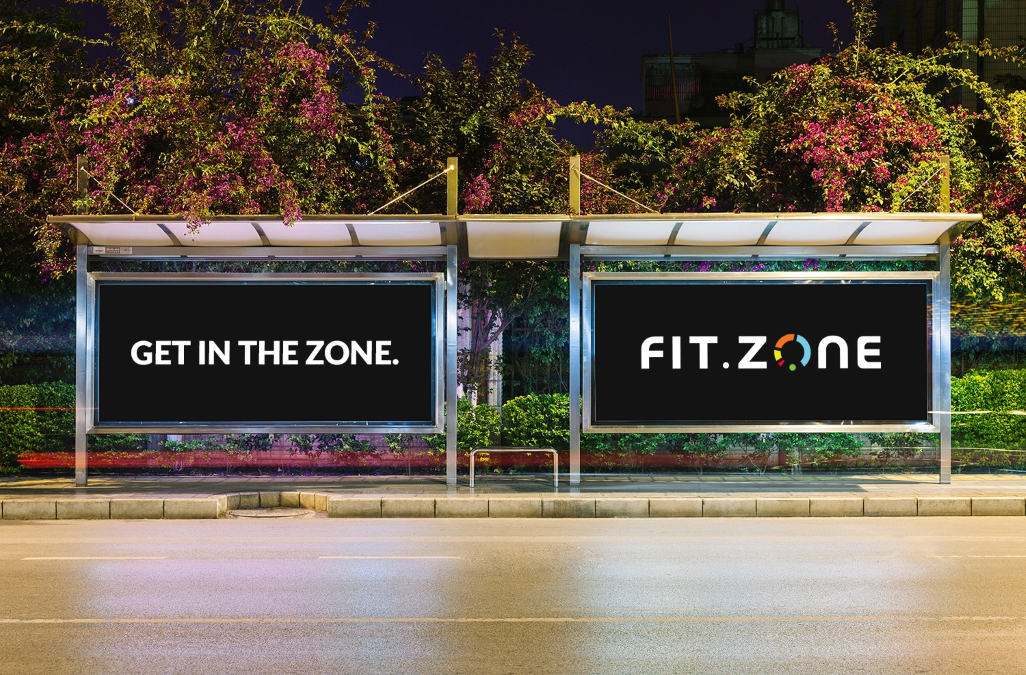
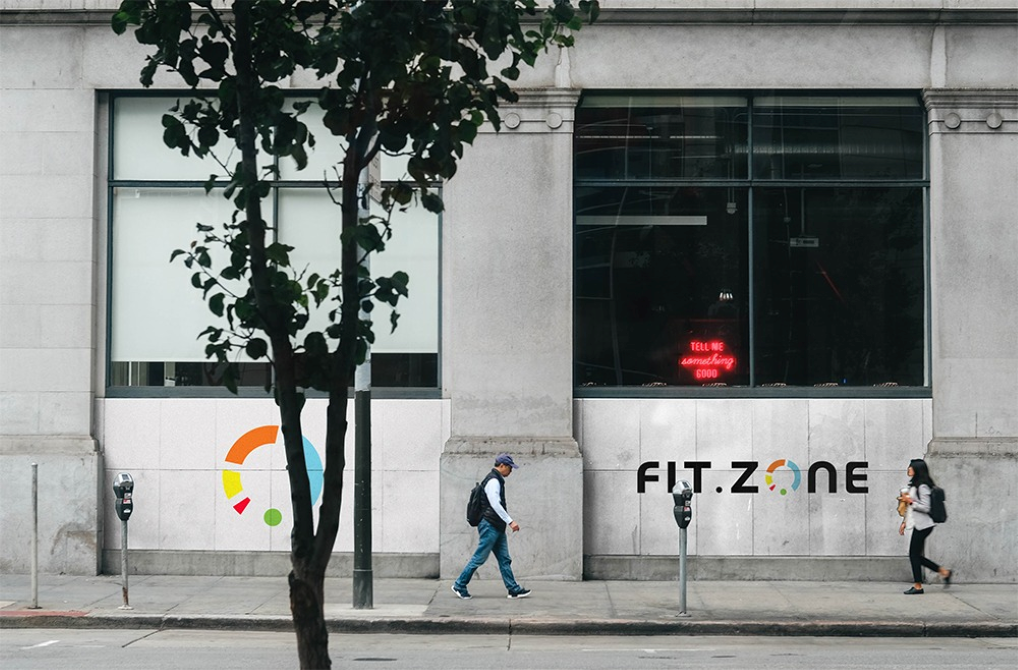
We also created exhibition graphics so the brand shows up consistently in physical environments.
A gym brand is not built only on screens. It is built where people walk in, commit, and return.
brand strategy and positioning
logo and visual identity system
typography and color system
UI UX for app and website
exhibition graphics and on ground brand assets
competitive research to avoid overlap and confusion in market positioning
FitZone reflects how we work. We do not design a logo and call it branding.
We build systems that shape behavior, across brand, product, and real world touchpoints.
Fitness brands win when they reduce friction and reward consistency.
Motivation is temporary. Systems last.
A target based fitness system, supported by trainers, with gamified rewards that reinforce consistency.
Because structured game elements can improve physical activity behavior, and well designed gamification can drive sustained engagement.
Because habit formation takes time, and visible feedback keeps early stage commitment alive.
Branding from scratch plus UI UX for app and website, plus exhibition graphics.
Because India scales through language. Adoption increases when clarity is local, not only English.