
Stonewool Insulation Industry
Picture a project manager standing on a construction site. The noise is loud, the environment is dusty, and deadlines are tight. He opens a sample kit that feels professional, the product information is clear, the thermal values are easy to read, and the brand communication feels technical yet simple. The insulation sheets he tests feel reliable, safe, and high performing. In that moment, he trusts the brand. That moment when complexity becomes clarity is where design lives.
At Beryl, we help stonewool insulation brands design what they are remembered for. From brand belief to specification communication, from sample kits to website UX, we create systems that communicate performance, durability, and engineered confidence.
The global insulation materials market is projected to cross one hundred and fifty billion dollars by 2030. Stonewool is one of the fastest growing segments due to fire safety compliance, industrial demand, and sustainable construction needs. In B2B categories, design affects trust as much as technical specification.
Start with the core story

Every stonewool brand stands on a promise of protection, durability, fire resistance, acoustic performance, or sustainability. B2B buyers do not buy insulation sheets, they buy long term reliability and low risk.

At Beryl, we begin by defining your Brand Belief System, what should architects, contractors, and industrial clients believe about your performance and safety. This belief guides your identity, communication tone, sample kit structure, and data presentation.

Color psychology is critical in B2B. Deep blues signal engineering confidence. Greys and neutrals communicate industrial seriousness. Greens support sustainability messaging. Typography and iconography must simplify technical complexity and reduce confusion.
We unify these elements across catalogues, data sheets, sample boxes, sales decks, websites, and video explainers.
In insulation, confidence comes from clarity. Buyers look for certifications, fire ratings, density charts, acoustic performance, and installation guidance. Every interaction must support technical trust.
Beryl’s UI and UX team designs product specification pages, performance calculators, installation guides, and comparison modules that make decision making easy. We organize technical content into intuitive systems that help engineers and contractors work faster.
Physical materials matter equally. Our design team structures sample boxes, label systems, and sales kits that make touching, comparing, and understanding stonewool effortless.
Great insulation design is not emotional. It is engineered clarity.
Design the touchpoints that build confidence
B2B relationships are built on transparency. Buyers prefer brands that communicate performance honestly and directly.
At Beryl, we create communication systems that simplify density grades, fire ratings, acoustics, thermal conductivity, sustainability claims, and certifications. When information is organized clearly, decision making becomes faster and more confident.
Global leaders in the insulation and industrial materials sector have grown by combining technical content with simple visual systems. We decode these principles and adapt them for Indian and global construction needs.
Build transparency before marketing
Branding that reflects engineering strength
Stonewool branding must feel technical, precise, and resilient. It should communicate performance without feeling intimidating.
Beryl’s branding team builds engineering led identity systems:
Color logic aligned with insulation categories and performance zones
Icons that simplify fire ratings, density, and acoustic levels
Typography systems optimized for technical documents and specification sheets

Identity grids that scale across product catalogues, sample kits, websites, and factory communication
We design branding that feels reliable in the hands of architects, engineers, and procurement teams.
Designing for clarity, not technical overload
Industrial categories often drown users in information. Good design reduces cognitive load.
At Beryl, we unify branding, UI, specification communication, packaging, and sample presentation into one consistent ecosystem. From the way a sample box opens to how a data sheet displays thermal values, every detail is designed for clarity.
That is how we turn insulation materials into engineering confidence.
A mini field guide from Beryl

Define your brand belief, fire safety first, sustainability first, or performance first

Build specification communication that simplifies technical jargon

Use clear icons for density, fire ratings, and acoustic performance

Keep websites structured with category filters and technical clarity

Build sample kits that help buyers make faster comparisons
Do this, not that
- - do simplify data presentation. do not overload buyers with charts
- - do create strong technical icons. do not rely only on text
- - do design industrial clarity. do not create overly stylized visuals
- - do align sample kits with catalogues. do not create mismatched systems
- - do communicate certifications clearly. do not hide them in documents
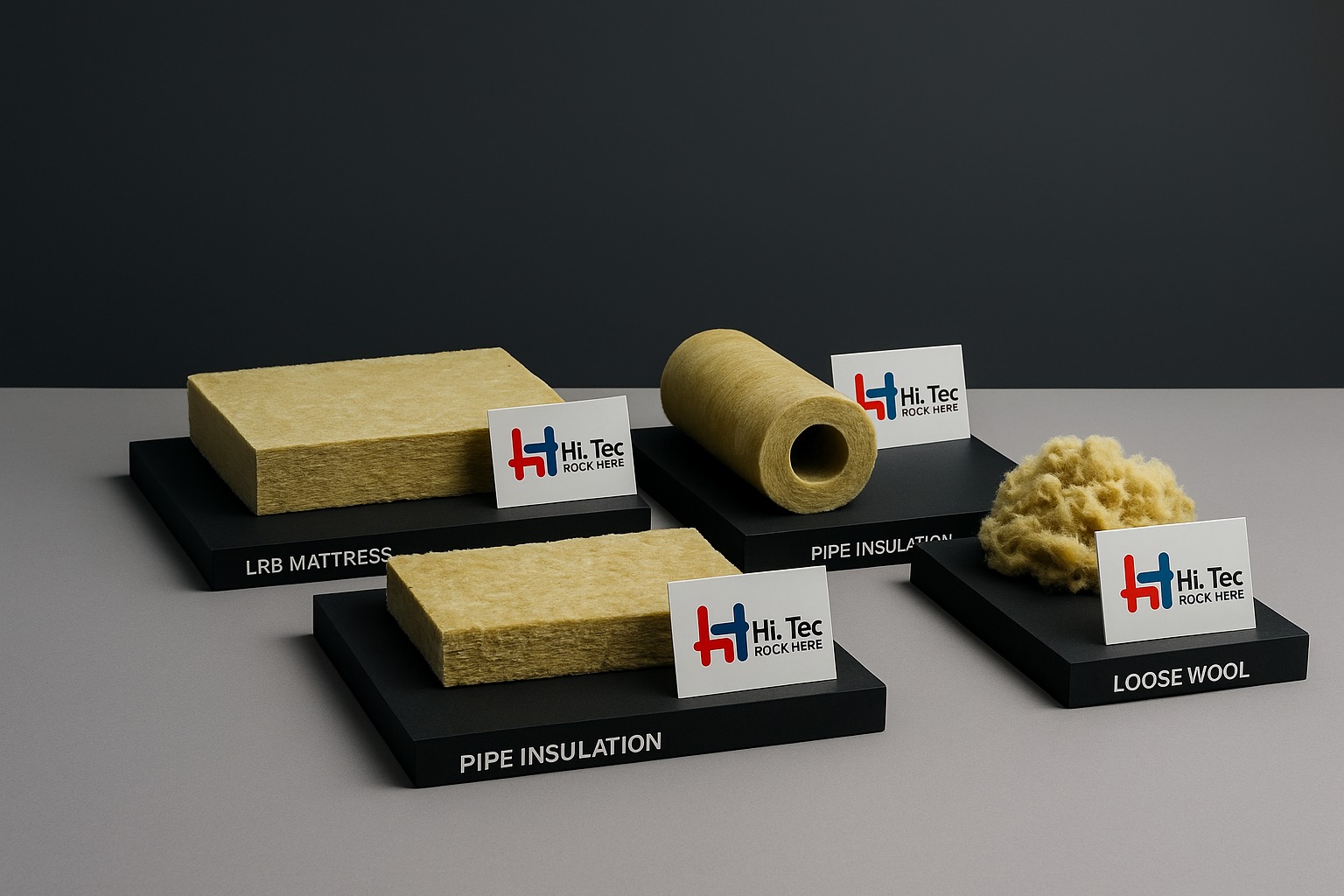
Hi Tec
Sales collaterals, sample box, stationery, website, and video design for their stonewool insulation business, creating a unified system that communicates engineering strength and clarity.
Prominent case studies
Case slices that prove the point

blanc9
Branding, packaging, and website, showing how clean design builds premium trust even in technical categories.

window passion
Website and space design, demonstrating how consistent design across digital and physical environments improves professional perception.

inaari
Branding and packaging, ideal for categories where scientific clarity and structured communication are essential.
At Beryl, we decode why such brands work, and design insulation experiences that feel reliable, engineered, and future ready.
- - clean layouts increase trust in technical categories
- - cool tones improve perceived engineering strength
- - strong typography improves comprehension of specifications
- - clear icons reduce time spent reading data
- - structured catalogues improve procurement efficiency
- - transparent communication increases long term loyalty
Beryl’s integrated brand, packaging, and UX teams bring engineering precision and communication clarity into your insulation brand.
The psychology behind insulation design
Your next three moves
Define your brand belief system, the engineering promise your insulation brand must hold
Build your ecosystem, identity, specification communication, UI, sample kits, and catalogues in one unified technical language
Create your clarity system, performance icons, data structures, installation guides, and comparison tools
FAQs insulation founders often ask
how should i position my stonewool insulation brand
Focus on fire safety, acoustic performance, sustainability, or industrial durability.
what colors work best in industrial b2b branding
Blues, greys, and greens associated with engineering, safety, and sustainability.
what makes a specification sheet convert better
Clear icons, clean tables, easy to compare data, and simple technical language.
should sample kits follow a structured design
Yes. Sample kits are one of the strongest trust building tools in insulation.
can beryl design both branding and technical collaterals
Yes. We create unified systems across brand, catalogues, sample boxes, and websites.
what improves trust for procurement teams
Transparent certifications, clear performance values, and strong technical communication.
should insulation brands invest in video explainers
Highly recommended. They simplify installation and build project level trust.
does ui design matter in b2b
Yes. Engineers and architects expect intuitive access to specifications.
how important is sustainability communication
Very. It influences procurement decisions, especially in large construction firms.
how do i scale design across product grades
Use a modular system, color coding, icon logic, and a consistent grid for specifications.
If you are building the next insulation brand engineers trust on every project