Entered a moment of massive hype. Artificial Intelligence was everywhere, yet meaningful learning was nowhere. In India alone, over 90 percent of online AI courses suffer from low completion rates. Dashboards were transactional, courses were rushed, and students felt like users, not learners. The problem was not content. It was the experience. Saras AI needed a learning system that felt real, credible, and human.
After the new platform experience was designed, the shift was immediate.
1. Learners spent 2.1x more time on the platform because the system felt familiar and structured.
2. Engagement increased by 47 percent as students interacted beyond just consuming videos.
3. Course completion rates improved by 38 percent because progress felt visible and motivating.
4. And most importantly, Saras AI stopped feeling like an online course and started feeling like a real institution.
That is the power of experience-led design. When learning feels real, commitment becomes natural.
The Context. When Online Learning Felt Hollow
AI education is booming. But most platforms feel rushed. Overloaded dashboards. Disconnected modules. Little sense of academic progression.
The problem wasn’t access to AI education. It was the lack of structure, belonging, and credibility in how it was delivered.
Saras AI was created to fix that gap.
The Challenge. To Make Online Learning Feel Real
The brief was ambitious.
Design an online platform that does not feel online.
It had to work for
students entering AI for the first time
working professionals upgrading skills
and serious learners seeking academic depth
The experience needed discipline, clarity, and engagement.
Not noise.
The Insight. Why Most Learning Platforms Fail Engagement
Our research revealed a consistent pattern. Learners drop off when progress feels abstract.
Key issues identified
no sense of academic journey
flat content consumption models
weak peer interaction
no spatial or structural memory
Universities work because structure creates seriousness.
Saras AI needed that same psychological anchor.
We approached Saras AI like campus design.
Our strategy revolved around three principles
Purpose: restore academic seriousness Design: create spatial logic in a digital environment Tone: calm, structured, and credible
The solution was a digital learning system that mirrors how real universities function.
The Strategy. Designing a Digital University
The Experience Design. Where Structure Guides Learning
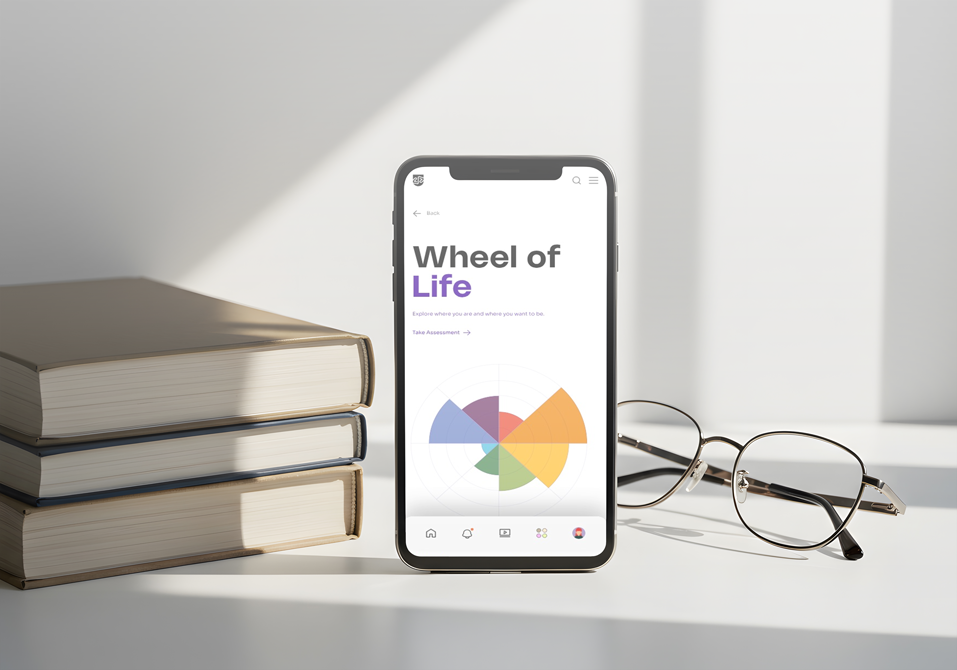
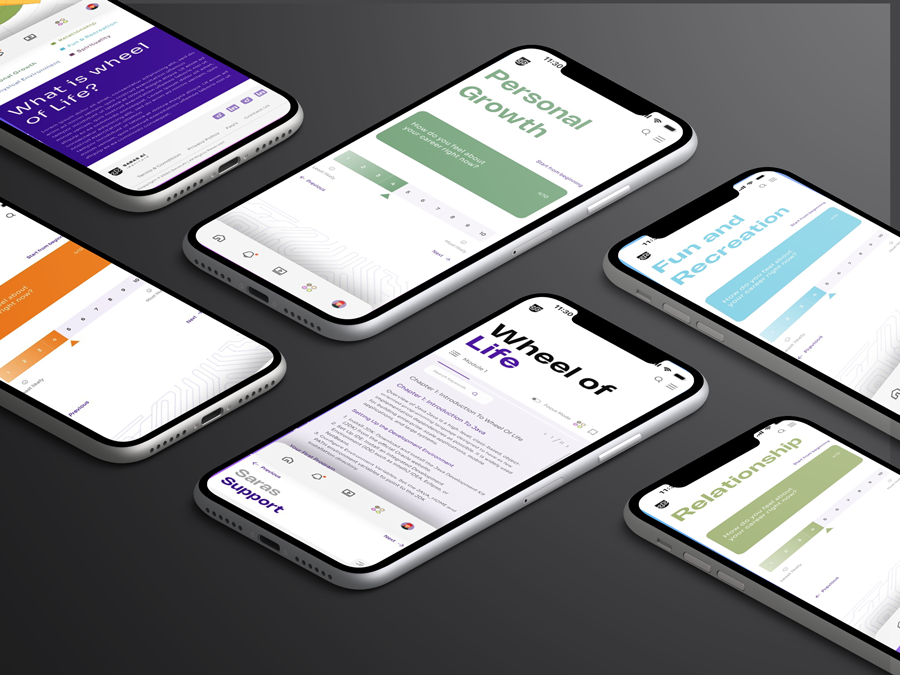
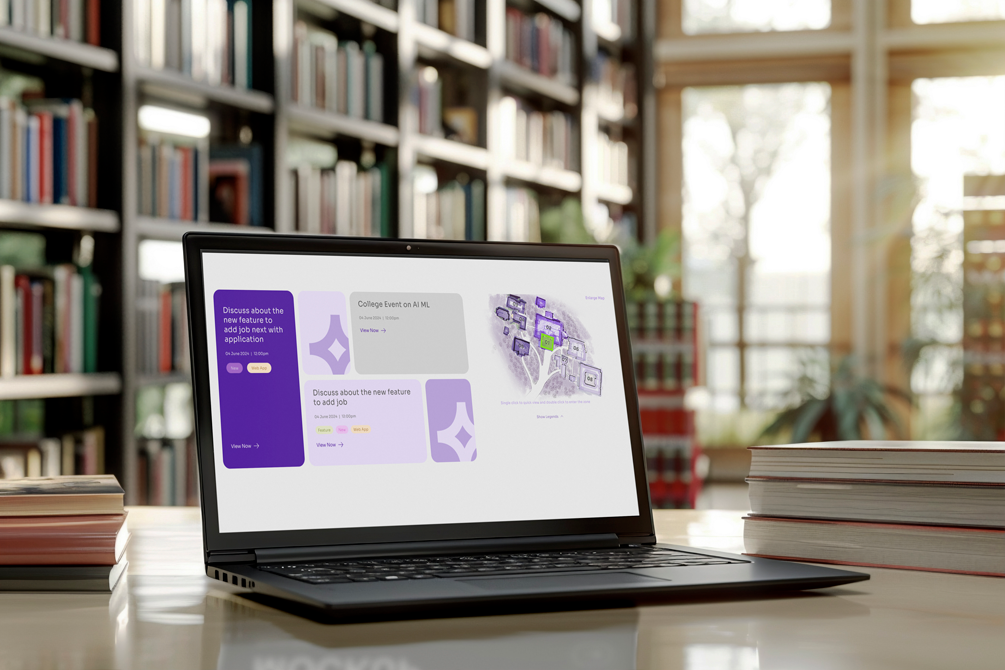
We introduced a clear academic map. Not a menu. A journey.
Learners move through defined blocks
– reception and onboarding
– academic zones
– coaching and mentorship areas
– help and support systems
Every space had intent. Every step had meaning.
The Interaction Psychology. Why Engagement Had to Feel Human
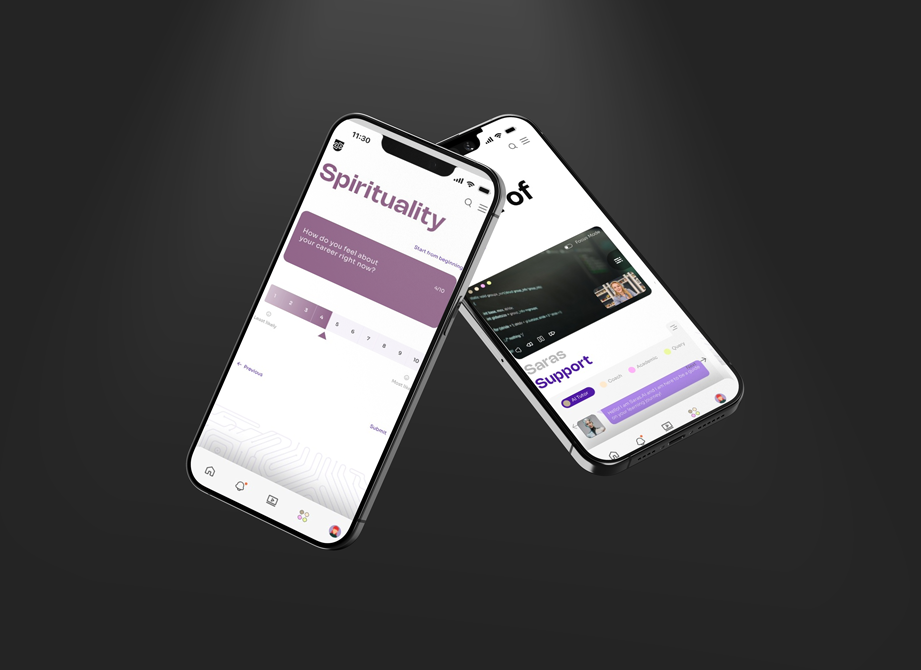
Beyond structure, the platform needed interaction.
We designed
– real time discussions
– contextual replies and notes
– peer to peer learning loops
The goal was not community for the sake of it. It was dialogue that mirrors classroom energy.
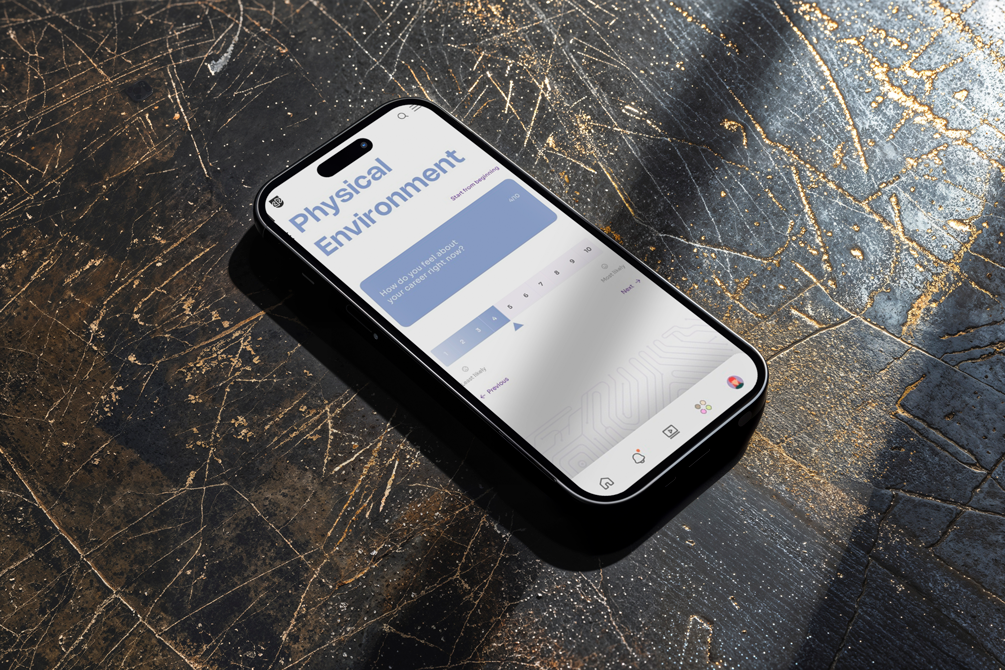
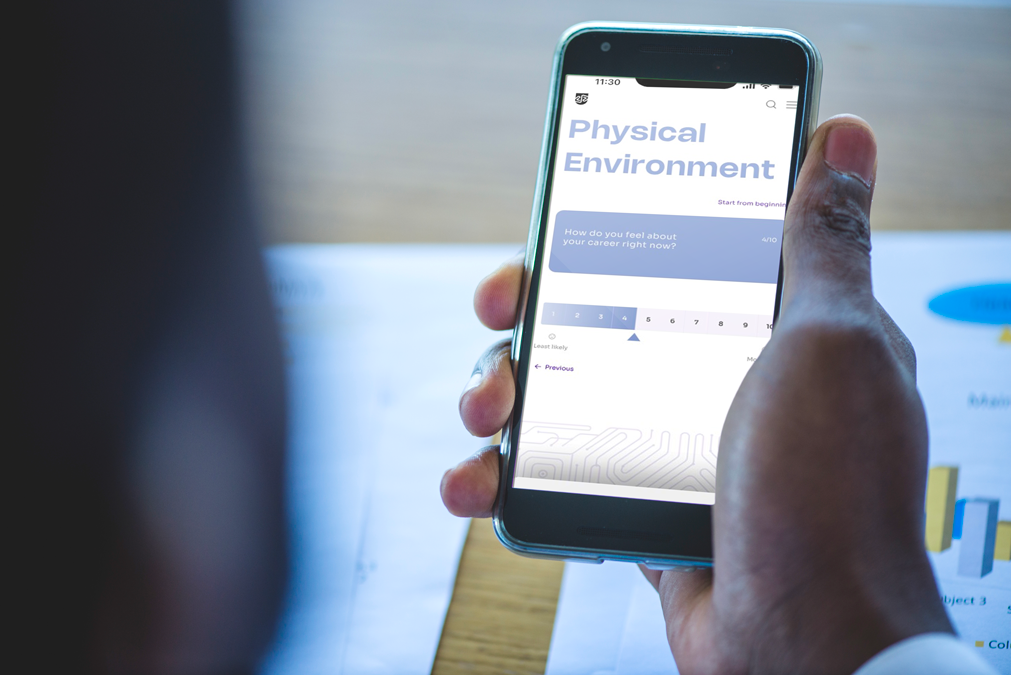
Progress without feedback kills motivation.
We introduced
– subtle gamification
– leaderboards for visibility
– progress signals that reward consistency
Competition was never loud. It was encouraging.
The Motivation Layer. Learning Needs Momentum
session duration increased as learners explored deeper
interaction frequency improved across discussions
peer engagement became organic
course completion rates stabilized
The platform stopped feeling like content delivery. It became a learning environment.
The Tangible Impact. When Learning Became Participatory
Post launch, Saras AI showed clear behavioral shifts.
The Achievement. Turning Education Into an Experience
Saras AI evolved from an online platform into a digital institution. Students didn’t feel like users. They felt enrolled.
For Beryl, this project demonstrated that education platforms must be designed with academic psychology, not just UI patterns.
What This Means for the Future of Online Learning
The future of education is not faster content. It is better structure.
Saras AI proves that when learning systems borrow from real world institutions, trust and commitment increase naturally.
Our Perspective. Why Learning Platforms Need Design Thinking
Education is emotional. Structure creates discipline. Design creates belonging.
Applying design thinking to learning allowed Saras AI to feel credible, serious, and human.
What We Delivered
Each layer was built to support long term learning behavior.
experience strategy and platform vision
academic map and spatial UX logic
interaction and engagement design
gamification and motivation systems
scalable UI framework
With years of experience designing complex systems, Beryl understands how psychology, structure, and technology intersect.
Our approach ensures platforms don’t just function. They teach.
The Beryl Edge
Learning is not about features. It is about feeling progress.
Saras AI reminded us that when students feel enrolled, they stay committed.
What We Learned
FAQs
what makes saras ai different from other ai platforms
It is designed like a university, not a video library.
why is structure important in learning design
Because structure creates seriousness and accountability.
how does peer learning help retention
It mirrors classroom dynamics and builds motivation.
is saras ai scalable
Yes. The system is modular and built for future courses.
why did beryl focus on experience design here
Because learning outcomes depend on environment, not just content.