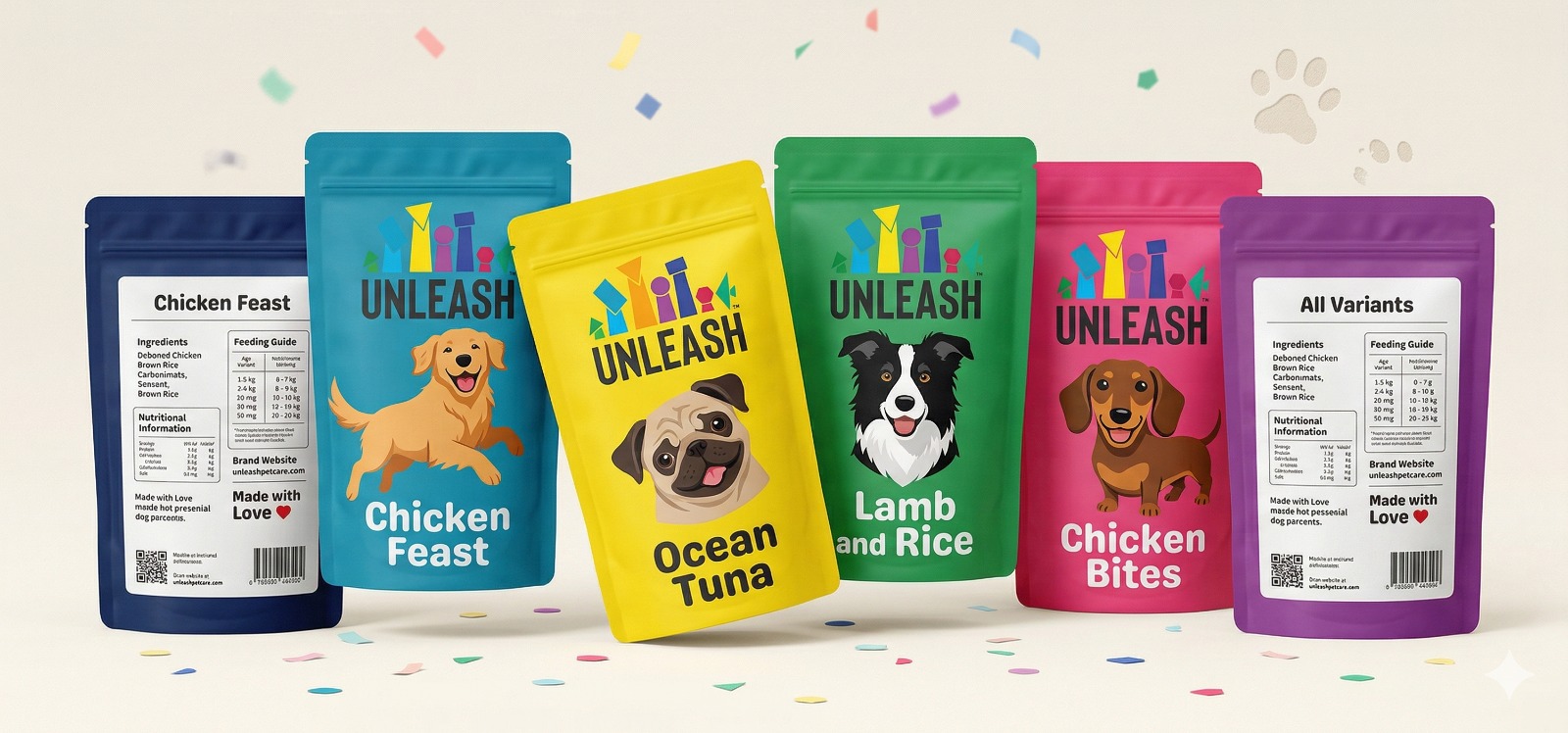
Doypack and flexible packaging refer to lightweight, non rigid packaging formats such as stand up pouches, spouted pouches, sachets, and film based packs. These formats are rapidly replacing rigid packaging across food, beverages, and personal care due to lower material usage and better logistics efficiency. Studies show flexible packaging can reduce material consumption by up to 70 percent and significantly lower transportation costs. Yet, many brands still treat flexible formats as cost driven decisions rather than design opportunities. The challenge was to create packaging that leverages flexibility for both performance and shelf impact.
1. After the new packaging design launched, the impact was immediate. 2. Shelf visibility improved as stand up formats created stronger vertical presence. 3. Consumer interaction increased due to ease of use and portability. 4. Material efficiency improved while maintaining product protection. 5. The system adapted easily across multiple SKUs and variants. 6. And most importantly, the brand achieved a modern, convenience led perception.
That is the power of flexible packaging done right. When structure and design work together, packaging becomes a competitive advantage.
The Context. When Packaging Was Rigid and Inefficient
Packaging formats were evolving, but many brands were still dependent on rigid structures. Too bulky. Too heavy. Too expensive. Too limiting.
The problem wasn’t the product. It was the format restricting efficiency and innovation. Flexible packaging needed to perform across shelf, storage, and usage.
The Challenge. To Design Packaging That Balances Form and Function
The brief was clear.
Create packaging using flexible formats like doypacks, sachets, and pouches.
It needed to be lightweight but durable.
Efficient but visually impactful.
Flexible but structurally stable.
A system that works across categories and consumption habits.
The Insight. Why Flexible Packaging Often Underperforms
Flexible packaging is often reduced to cost saving. Not design thinking.
Research showed
poor structure reduces shelf visibility
weak graphics get lost on flexible surfaces
lack of hierarchy reduces readability
overuse of material transparency creates confusion
Consumers want convenience.
Brands need visibility.
Packaging must deliver both.
We approached flexible packaging as a hybrid system.
Our strategy revolved around three principles
– Purpose, deliver convenience and portability – Design, ensure visibility despite flexible surfaces – Function, optimize material and structural performance
The goal was not just flexibility. It was usability and impact.
The Strategy. Designing for Mobility, Efficiency, and Impact
The Visual Identity. Where Structure Drives Perception
Flexible formats behave differently from rigid packs.
The design adapted to movement and form. Vertical layouts improved shelf presence. Bold graphics compensated for surface variation. Clear zones ensured readability.
The packaging stands out even in compressed retail spaces.
The Color and Material Psychology. Enhancing Visibility and Trust
In flexible packaging, perception is fragile.
The system used
– high contrast colors for shelf visibility – controlled transparency to showcase product without confusion – material finishes to balance cost and premium feel
Each decision ensured clarity without compromising efficiency.
The system was built on five pillars
Lightweight, reduced material usage Visibility, strong shelf presence Usability, easy handling and storage Scalability, adaptable across SKUs Efficiency, optimized logistics and cost
These pillars ensured packaging performs across the value chain.
The Design Language. The Five Pillars of Flexible Packaging
shelf presence improved due to vertical formats
logistics costs reduced due to lighter packaging
consumer convenience increased significantly
product expansion became easier with adaptable formats
The packaging didn’t just reduce cost. It improved overall performance.
The Tangible Impact. When Packaging Became More Efficient and Visible
After implementing the new flexible packaging system, the impact was measurable.
The Achievement. Turning Flexibility Into Strength
Flexible packaging evolved from a cost decision into a strategic advantage. It began driving efficiency, visibility, and usability.
For Beryl, this became a benchmark. Proof that format innovation can drive business impact.
What This Means for the Future of Flexible Packaging
Flexible packaging is not just an alternative. It is becoming the default.
Brands that win will combine efficiency with design and convenience with visibility
Packaging must move with the consumer.
Our Perspective. Why Format Is Strategy
Packaging format is not a technical choice. It is a business decision.
Our approach ensures flexible packaging performs across shelf, logistics, and usage.
What We Delivered
Each step ensured packaging performs end to end.
flexible packaging strategy and system design
doypack and pouch format optimization
visual hierarchy for flexible surfaces
scalable design across SKUs
retail and logistics ready solutions
With fifteen plus years in branding, Beryl understands how format impacts perception and cost.
Our approach combines structural thinking, design clarity, and business logic.
That is why the result was packaging that performs. Across shelf, supply chain, and consumer use.
The Beryl Edge
Flexibility without structure fails. Efficiency without design is invisible.
The real power lies in combining both.
What We Learned
FAQs
Q1. What is doypack packaging
A flexible stand up pouch with a bottom gusset that allows it to stand on shelves.
Q2. What is flexible packaging
Packaging made from lightweight, non rigid materials like films, foils, and laminates.
Q3. Why is flexible packaging growing
Because it reduces material use, logistics cost, and improves convenience.
Q4. What makes flexible packaging effective
Strong structure, clear design, and usability.
Q5. Is flexible packaging scalable
Yes, it can adapt across multiple products and sizes easily.